Belldiva
Luxury Beyond Boundaries • Rooted in Care, Refined in You
Hormones Don’t Discriminate
The Conversation Men and Women Need to Have Together

Two people. One season of change. The conversation starts here.
There is a conversation happening right now in millions of homes across North America — living in the space between two people lying awake at 3am, each quietly carrying something they have never fully put into words. The tension shows up in the irritability that appears without warning, in the fatigue that does not lift no matter how much sleep is logged, in the distance that grows slowly between two people who love each other and cannot understand why.
She is navigating one of the most significant biological transitions of her life. His experience is quieter, but no less real. Both have lost the vocabulary for what is happening. Neither was ever taught to speak about it, and so they suffer in parallel, each misreading the other’s signals, each grieving a version of their relationship they cannot explain losing.
This is the conversation that Belldiva is committed to starting. Real wellness does not happen in isolation — it happens in relationship, when we stop pretending that hormones are a private matter and start understanding that they are a shared one.
Over one billion women worldwide are moving through menopause or its transition right now. Andropause affects an estimated 30% of men over 50. These two transitions frequently occur at the same time in couples — yet they are almost never discussed together.
Part One: The Numbers That Should Change Everything
Before we can have the conversation, we need to understand its scope. The data on hormonal transitions in midlife is staggering — and most people enter this season of life completely unprepared.
What the Research Tells Us About Women
6,000 women in the United States reach menopause every single day — amounting to 1.3 million women entering this stage every year.
Approximately 80% of midlife women experience problematic symptoms including hot flashes, night sweats, sleep disruption, sexual changes, and brain fog — all of which measurably affect quality of life, relationships, career, and overall health.
Memory problems and cognitive difficulties affect 82% of women going through the menopausal transition, with the most significant challenges peaking between ages 50 and 54.
39% of women experience depression during or following menopause. Perimenopausal women carry a 40% higher risk of depressive symptoms compared to premenopausal women.
A staggering 94% of women in the United States report never having been taught about menopause in school. Only 18% can correctly identify its medical definition.
Women aged 40 to 49 report feeling hopeless at 40% higher levels due to perimenopause symptoms. Three in four women in their 40s say their symptoms have negatively affected at least one aspect of their work life.
The global menopause market, valued at USD 17.66 billion in 2024, is projected to reach USD 27.63 billion by 2030. Yet despite this financial attention, the World Health Organization had not issued a single global guideline specifically addressing menopause as of mid-2025 — underscoring how far behind policy and medical infrastructure remain.
What the Research Tells Us About Men
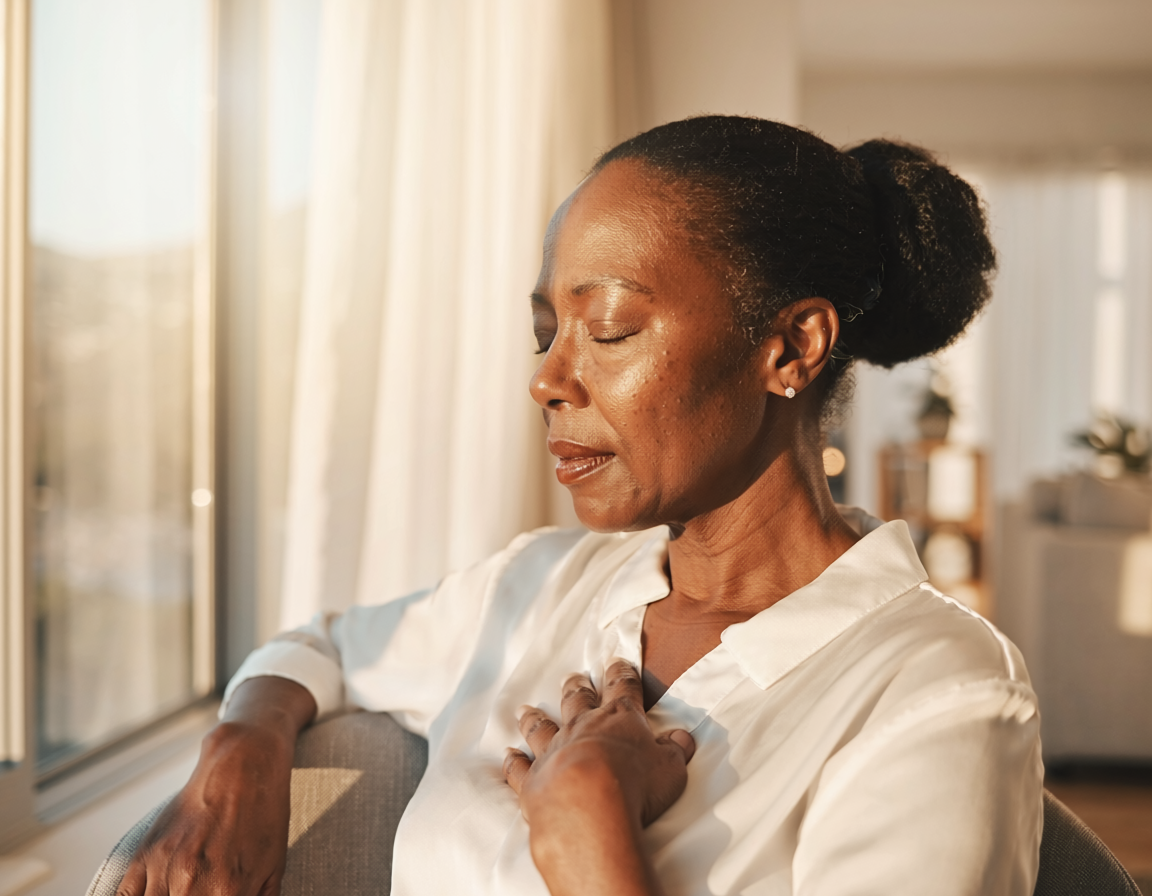
Approximately 80% of midlife women experience symptoms significant enough to affect daily life. Most navigate them alone.
What the Research Tells Us About Men
The male hormonal transition is less dramatic in its presentation but no less real in its impact. Total testosterone levels decline approximately 1% per year after the age of 30, according to multiple clinical reviews. By the time a man reaches 75, his average testosterone level sits at roughly 66% of what it was at 25.
Approximately 50% of men over 60 experience a clinically measurable decline in serum testosterone. In the 50 and older demographic, andropause affects an estimated 30% of men.
A landmark 2024 meta-analysis spanning 11 studies (Yeap et al., Annals of Internal Medicine) found that men with the lowest testosterone levels carried a significantly elevated risk of all-cause mortality including cardiovascular disease.
Low testosterone has been linked to a 2 to 3 times increased risk of cardiovascular disease and a doubled risk of bone fractures, in addition to elevated risks of metabolic syndrome and type 2 diabetes.
What makes male hormonal decline particularly complex is how invisible it tends to be. Fatigue, reduced motivation, emotional withdrawal, weight gain, lowered libido, and a quiet erosion of confidence are frequently attributed to stress, overwork, or simply getting older. The result is a population of men silently struggling while the people who love them struggle to understand why.
Part Two: The Couplepause Nobody Told You About
In 2018, two Italian professors introduced a concept that should have entered mainstream conversation immediately. They called it couplepause.
When Both Partners Are in Transition
Defined formally as a paradigm that considers the needs of the aging couple as a whole, couplepause recognizes what research in the Journal of Sexual Medicine has since confirmed: hormonal shifts in midlife do not happen in a vacuum. They happen inside relationships. And when both partners are experiencing their own transitions simultaneously, the effects are not simply additive. They are compounding.
A study published in the Journal of Sexual Medicine in 2024 found that the hormonal changes experienced during midlife create profound impacts across sexual health, psychological wellbeing, and social functioning for both partners. Crucially, researchers noted that living with a partner going through menopause or andropause can affect the general health and wellbeing of both members of the couple — even the one not in the primary transition.
In many instances, men are not aware of the changes associated with andropause, and this can lead to frustration. Meanwhile, their female partners may feel ashamed or guilty. Both are suffering. Neither is talking.

The conversation that changes everything often starts simply — with one person saying “I haven’t been feeling like myself.”
The International Survey of Relationships, which studied 200 midlife couples, found that a person was significantly more likely to report sexual satisfaction and relationship happiness when their partner reported good health and good sexual functioning. The health of one partner’s hormonal experience directly shapes the other’s quality of life — whether or not either partner recognizes the connection.
The Real Cost of Silence
Men will lose between 30 and 50% of their testosterone by the time they reach 50. Women during the same period undergo a rapid decline in estrogen that reshapes everything from sleep architecture to bone density to emotional regulation. Both partners may be dealing with body image changes, mood instability, sleep deprivation, and shifts in sexual desire — all at the same time, all while misreading each other’s behavior as indifference, rejection, or growing apart.
The silence around all of this is not benign. It has real consequences.
Part Three: Why Nobody Wants to Talk About It
Shame is a powerful silencer. And hormonal transitions, for both women and men, carry an enormous amount of it.
For Women
Menopause has historically been treated as something to endure privately. The language around it has been diminishing: the change, hot spells, that time of life. Women have been taught, implicitly and explicitly, to shrink their experience rather than name it. They wait — often six months or longer while experiencing life-disrupting symptoms — before seeking care.
According to the Bonafide State of Menopause 2025 report, which surveyed over 2,000 women aged 40 to 64, nearly one in three women do not feel confident advocating for themselves in a healthcare setting. Meanwhile, the Lancet Series on Menopause 2024 revealed that 58% of global medical textbooks contain no mention of menopause whatsoever — and only one in five obstetrician-gynecologists in the United States has received formal training in menopause management.
For Men
The silence among men runs through different cultural soil. Testosterone is not merely a hormone for many men. It is identity. Vitality. Manhood. The prospect of its decline triggers something closer to existential threat than medical symptom, which is precisely why men rarely name what they are experiencing — even to themselves.
Research published in OBM Geriatrics in 2024 noted that men’s general reluctance to seek medical care has allowed andropause to remain on the sidelines of the medical profession for decades. There is no single cultural moment — no equivalent of the final period — that marks the shift. The decline is gradual, deniable, and socially unrewarded to discuss.
Part Four: What Each Body Is Actually Going Through
Understanding the biology is the first step toward building compassion.
The Female Experience: Menopause and Its Three Phases
The female hormonal transition unfolds across three distinct stages. Perimenopause typically begins in the mid-40s and can last anywhere from four to ten years. During this phase, estrogen and progesterone levels fluctuate unpredictably before beginning their long decline. The brain, which depends heavily on estrogen to regulate neurotransmitters including serotonin and dopamine, begins its own adjustment.
Menopause itself is defined clinically as 12 consecutive months without a menstrual period. The average age in the United States and Canada is 51, though African American and Hispanic women reach menopause on average two years earlier, at 49, reflecting the intersection of hormonal health with systemic health inequities and chronic stress. Approximately 90% of women experience at least one moderate to severe symptom during this transition — yet many suffer in silence.
The Male Experience: Andropause and the Slow Fade
The male transition does not announce itself. Total testosterone declines at a rate of approximately 1% per year, confirmed by peer-reviewed research published in PMC in 2024. The symptoms include reduced libido and sexual function, fatigue, loss of lean muscle mass, increased abdominal fat, sleep disruption, reduced bone density, cognitive changes, mood shifts including irritability and low-grade depression, and a loss of the motivational drive that men often quietly define themselves by.
Emerging research published in Urology in 2025 has proposed that some testosterone decline previously attributed purely to aging may actually be driven by sleep disorders including obstructive sleep apnea — suggesting that addressing sleep health aggressively may, for some men, partially reverse hormonal decline.
Part Five: What This Does to a Relationship
Two people in simultaneous hormonal transition, each without language for what they are going through, each misreading the other — is not a recipe for distance. It is a recipe for dissolution.
When Two Transitions Collide
Consider what the overlap actually looks like in lived experience. She is waking at 3am, overheated and anxious, her brain flooding with worries she cannot organize. He has been asleep for hours but wakes exhausted, his testosterone-driven sleep architecture completely shifted. Reaching for connection, she finds him emotionally flat in the morning — a side effect of low testosterone’s impact on mood regulation. The withdrawal reads as rejection. Neither of them knows why it keeps happening.
These are not edge cases. According to research in the Journal of Sexual Medicine, barriers to discussing sexual and hormonal health dramatically affect couples’ ability to receive help and to help each other. Many women continue to experience intimacy with pain and without desire rather than raise the subject. Many men never seek professional help for libido changes, allowing frustration to calcify into silence.
The Couplepause Reframe
The concept of couplepause offers something important here: it reframes the conversation. Rather than one partner being the problem, both partners are in transition. Rather than interpreting symptoms as character flaws or signs of declining love, couples can begin to understand them as biological realities requiring a shared response.
The idea of sharing hormonal experiences can divert attention from seeing one partner as the problem — and frame any challenges as something to be faced by both of you together.
Part Six: Healing Together. Practically.
Understanding is the foundation. But healing requires action.

Choosing to face this season together changes everything about how it feels.
The single most powerful thing a couple can do is name what is happening. Not diagnose, not analyze — simply name it. Beginning with sentences like “I have not been feeling like myself” opens a door that shame keeps closed. Research on couplepause consistently shows that shared knowledge of each other’s hormonal experience dramatically reduces misinterpretation and increases empathy.
For women, hormone replacement therapy has regained significant clinical credibility. Approximately 13 million HRT prescriptions were issued in the UK alone in 2023 to 2024 — a 22% increase over the prior year. In 2025, The Menopause Society announced its NextGen Now initiative, a $10 million investment to equip healthcare providers with modern menopause management tools. For men, testosterone replacement therapy has demonstrated significant improvements in energy, libido, mood, and quality of life in men with confirmed andropause when properly monitored.
Sleep disruption is one of the most underappreciated drivers of both menopausal and andropausal symptoms. Estrogen decline disrupts deep restorative rest in women. Testosterone decline does the same for men. Sleep deprivation then worsens mood instability, cognitive function, and hormonal regulation — creating a feedback loop that accelerates symptom severity for both partners simultaneously.
Practical Steps for Body, Skin, and Intimacy

Belldiva’s curated wellness collections are formulated with hormonal skin changes in mind — because every stage of you deserves luxury care.
Physical intimacy during hormonal transition often requires renegotiation. Vaginal dryness and discomfort affect 45 to 50% of postmenopausal women and are among the most treatable symptoms with evidence-based options. For couples, intimacy does not have to diminish — but it may need to look different. Slower pacing, more communication, and releasing performance expectations are not concessions. They are opportunities for deeper relational closeness.
Regular strength training preserves muscle mass and bone density for both men and women during midlife hormonal transition. Anti-inflammatory nutrition including omega-3 fatty acids, magnesium, vitamin D, and phytoestrogens supports hormonal balance and reduces symptom severity. Stress reduction through mindfulness, breathwork, or therapy directly modulates the cortisol response that worsens both menopausal and andropausal symptoms — for both of you.
Hormonal changes affect the skin profoundly — collagen production declines, barrier function shifts, and the face and body you have known begin to look and feel different. This is not vanity. It is biology. At Belldiva, our curated skincare and wellness collections are designed with hormonal skin changes in mind — because the skin you inhabit during this transition deserves the same intelligence, care, and luxury as any other season of your life.
The Belldiva Commitment
You Deserve This Conversation
Belldiva was built on the belief that beauty and wellness are not superficial pursuits. They are expressions of the care we extend to ourselves — particularly during the chapters of life that ask the most of us.
The woman navigating hot flashes at 2am deserves skincare that understands hormonal skin changes, not marketing that pretends she is simply twenty years younger. The man quietly losing his drive deserves information, not silence. At Belldiva, we believe that couples facing this transition together deserve a cultural conversation that finally takes both of them seriously.
One billion women are moving through menopause or its transitions right now. Hundreds of millions of men are experiencing their own quiet hormonal shift. And the majority of them are doing it alone — without language, without permission, and without the partner beside them knowing quite how to help.
Real wellness is not the absence of struggle. It is the presence of understanding. And sometimes, the most healing thing we can offer each other is simply the truth of what we are going through.
At Belldiva, we are here for all of it.
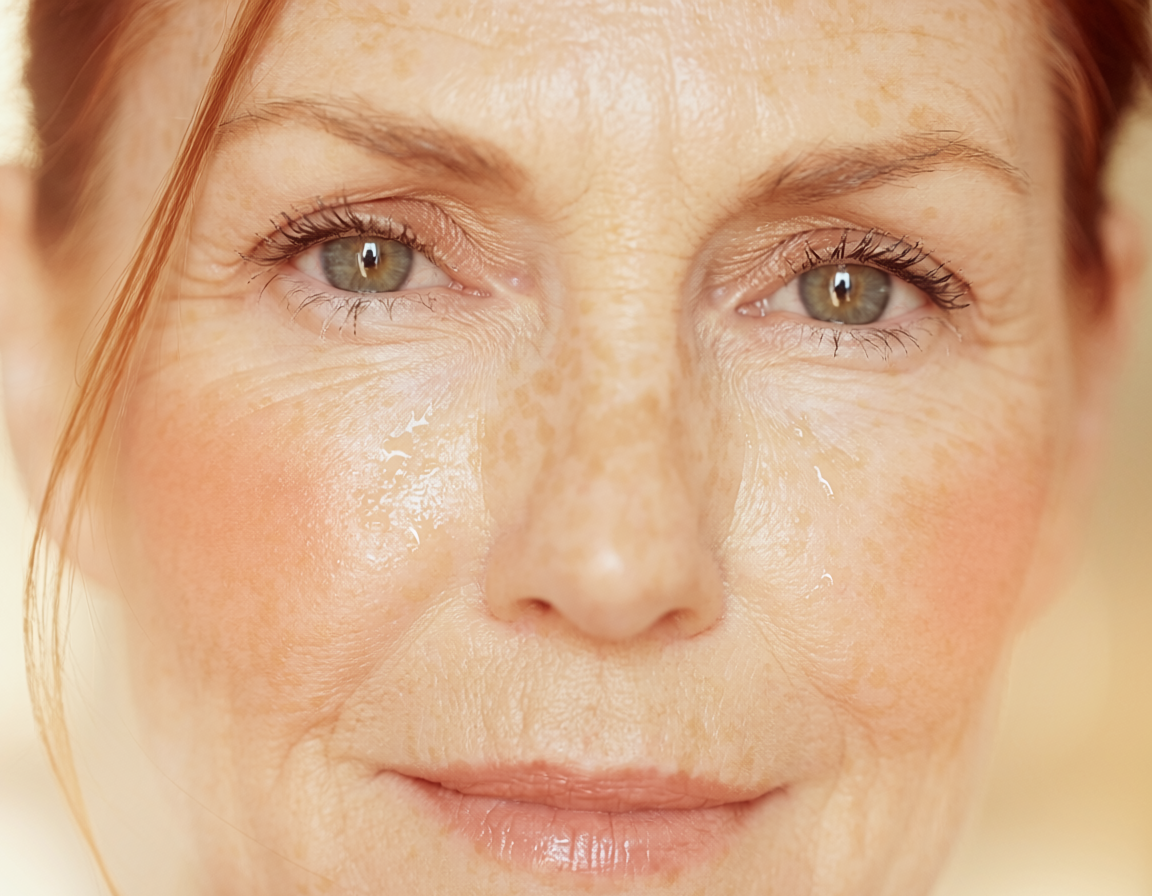
Real skin. Real beauty. Every stage of you is worth celebrating.
Wellness for Every Stage of You
Explore the Belldiva Platform
Premium skincare, wellness, beauty, and lifestyle — curated for men and women who believe that real radiance comes from the inside out.
Luxury Beyond Boundaries • Rooted in Care, Refined in You
The Menopause Society 2024 • Bonafide State of Menopause 2024 & 2025 • The Lancet Series on Menopause 2024 • Annals of Internal Medicine, Yeap et al., May 2024 • Journal of Sexual Medicine, Jannini & Nappi, 2024 • OBM Geriatrics, Ajayi et al., 2024 • NIH / PMC Age-Related Testosterone Research 2024 • Springer Nature Journal of Endocrinological Investigation 2025
FP Analytics / Bayer Global Menopause Impact Report 2025 • Chemist4U Menopause Statistics 2025 • Society for Women’s Health Research 2024 • Health and Her Couplepause Analysis 2024 • Carrot / OLLY Menopause Report 2025 • NHS England HRT Prescribing Data 2023/24 • ScienceDirect / Urology 2025