Belldiva
Luxury Beyond Boundaries • Rooted in Care, Refined in You
Your Spring Skin Reset: The Edit Your Routine Needs Right Now
The seasonal swaps, SPF truths, and expert-curated products that help your skin shed winter heaviness and feel like itself again.
Skincare Routine
SPF
Exfoliation
Brightening
Seasonal Edit
By Belldiva Editorial • Spring 2026 • 12–15 min read
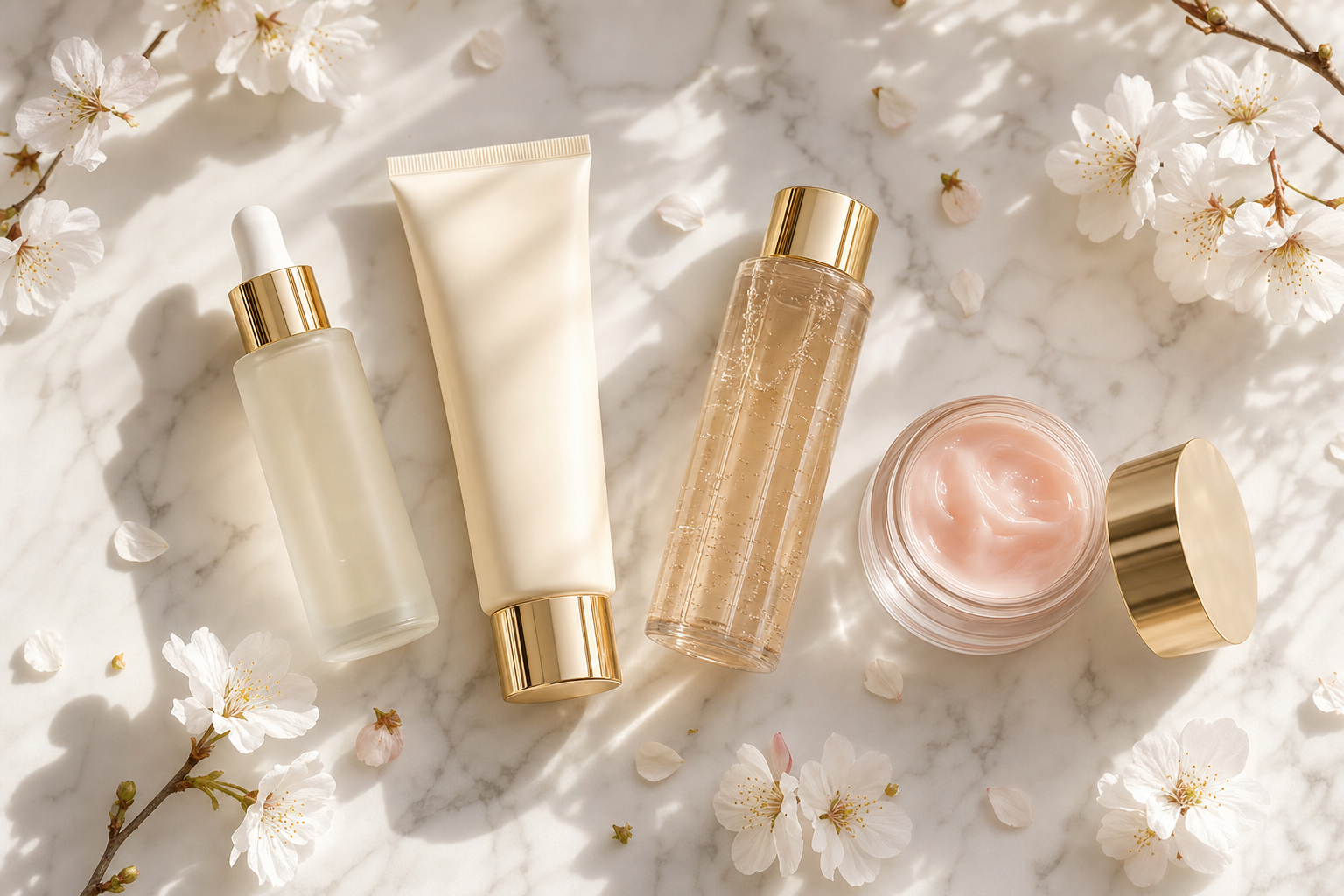
A spring skin reset is not a product overhaul. It is a considered recalibration: lighter textures, reintroduced actives, and SPF moved firmly to the centre of every morning routine.
The light shifts, and so does your skin
There is a particular morning in spring when the light shifts. Not by much, but enough. The air carries a little more warmth, the sky holds colour longer, and something in you stirs that has been quietly dormant since October. Specifically, it is a feeling that deserves a response, and your skin, frankly, is ready for one too.
Winter asks a great deal of skin. Months of indoor heat, layered barrier creams, and dull, sunless days leave a residue. Not a visible one, necessarily, but a heaviness. A flatness. As a result, your complexion can feel as though it has been treading water rather than moving forward. A spring skin reset is not about chasing trends or overhauling a routine for the sake of it. Rather, it is about reading what your skin actually needs now, and meeting it there with intention.
In short, this is the edit your routine has been waiting for.
What this guide covers
Inside, you will find four practical reset steps grounded in how skin actually changes between seasons. Additionally, there is a founder’s perspective on why spring feels like renewal rather than obligation, a curated product guide drawing on the Belldiva portfolio, and a straightforward FAQ for the questions that come up most often. In all cases, every recommendation prioritises the Belldiva brand portfolio first. Affiliate partner brands are linked with transparent disclosure throughout.
Spring skin does not need more product. It needs the right product, applied with more intention.
Weeks for skin to fully adapt to a seasonal routine shift (Journal of Cosmetic Dermatology, 2024)
Of dermatologists recommend switching to a lighter moisturiser as temperatures rise (AAD, 2025)
The daily minimum recommended from spring through autumn by Health Canada and the AAD
Step One: Clear the Winter Residue with a Gentle Exfoliation Reset
Reintroducing exfoliation thoughtfully is typically the first and most impactful move of any spring skin reset. The key word is thoughtfully.
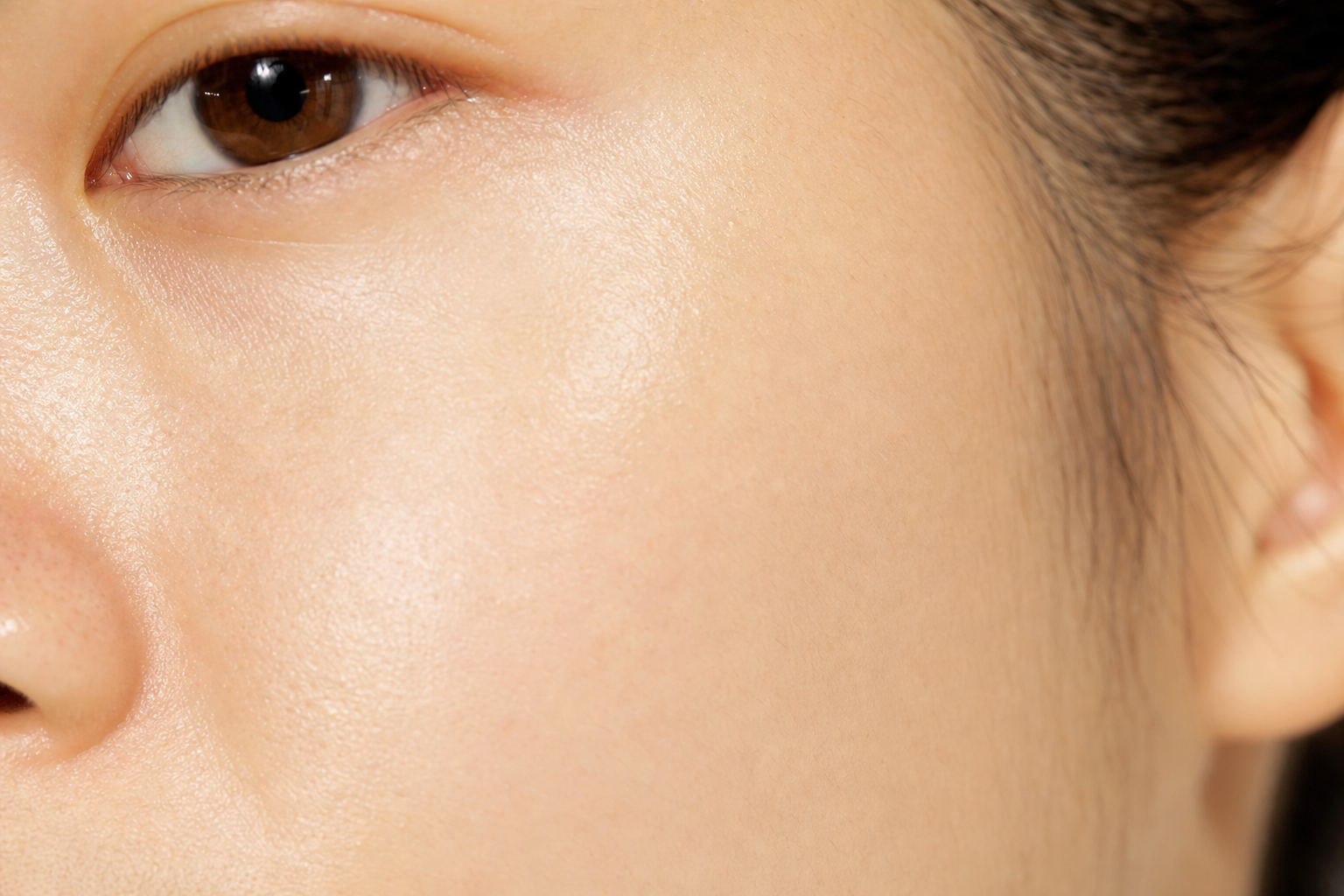
Reintroducing a mild chemical exfoliant two to three times per week is the step that improves every other product in the routine by allowing better absorption and a more even skin tone.
Why winter skin needs a fresh start
Winter skin tends to be a little sluggish. Dead cell buildup, combined with months of heavier product layers, can leave the complexion looking dull and feeling rough to the touch. Moreover, if you scaled back exfoliation to protect a compromised winter barrier, that caution was right at the time. Consequently, spring is when you can begin to gradually reverse it.
To begin, introduce a mild chemical exfoliant two to three times per week and assess from there. The Ordinary Glycolic Acid 7% Toning Solution is a dependable starting point: it works steadily without drama, and it pairs well with the rest of a reset routine. For those whose skin can handle a step up, Paula’s Choice BHA Skin Perfecting 2% Liquid is a practitioner favourite for clearing congestion and smoothing texture without stripping the barrier.
Alternatively, if your skin tends toward sensitivity, Elemis London offers gentler enzymatic options that dissolve surface buildup without the acidity. Even a single use per week is enough to notice the difference. After exfoliation, texture improves, serums absorb better, and foundation sits more evenly. In other words, it is one of those foundational changes that quietly improves everything else in the routine.
Step Two: Lighten the Moisturiser Without Dropping the Barrier Support
The seasonal swap that makes the most immediate difference in how skin looks and feels day to day.
Why your winter moisturiser no longer fits
A rich, occlusive winter cream worn through spring can feel suffocating, clog pores, and sit visibly on the surface rather than absorbing into the skin. As temperatures rise, skin produces more sebum naturally, and adding a heavy moisturiser to that shifts the balance quickly. Consequently, transitioning to a lighter-weight formula restores the freshness of a well-functioning complexion without stripping away the barrier support your skin still genuinely needs.
Specifically, gel-cream formulas and water-based moisturisers are the standard answer here, and for good reason. Look for formulas built around hyaluronic acid, niacinamide, or ceramides, since these maintain barrier integrity while allowing skin to breathe more freely in warmer temperatures.
In terms of curated product choices, Elizabeth Arden ✦ has long been known for formulations that balance clinical efficacy with sensory elegance. Their Hyaluronic Acid Ceramide Capsules Hydra-Plumping Serum bridges the gap between winter’s need for density and spring’s preference for lightness: lightweight on application while supporting genuine structural hydration. Similarly, SkinCeuticals is equally reliable for this transition, with hydration formulas built around ingredient science rather than texture trends. For those with oilier skin, moreover, Murad offers oil-control hydrators that regulate sebum without leaving skin tight or stripped.
A 2024 review published in the Journal of Cosmetic Dermatology confirmed that transepidermal water loss (TEWL) and barrier permeability both change meaningfully with ambient temperature and humidity. In higher-humidity, warmer conditions, the skin barrier requires less occlusion and responds better to water-based humectant formulas. The practical implication is clear: matching moisturiser weight to the season is not a preference. It is a physiological response.
Furthermore, the same review noted that niacinamide and ceramide-containing formulas maintained barrier function across seasonal shifts more consistently than petrolatum-heavy options, which can impede normal sebum regulation when ambient conditions warm. Lightweight does not mean insufficient. It means appropriate.
Step Three: Move SPF to the Centre of Your Morning Routine
If there is one non-negotiable in a spring skin reset, it is this. SPF does not become relevant in summer. It is relevant now, and every day that follows.

SPF 50 applied daily is the single highest-return investment in any skincare routine, regardless of season. Spring is the ideal time to make it a fixed morning habit if it is not one already.
The truth about spring UV exposure
UV exposure accumulates regardless of whether the sun feels strong. Spring light, particularly between 10 a.m. and 4 p.m., carries meaningful UVA and UVB intensity even on overcast days. Notably, UVA rays, which penetrate cloud cover entirely, are responsible for the cumulative damage that shows up as hyperpigmentation, fine lines, and loss of elasticity over time. As a result, the seasons in which SPF feels optional are precisely the ones where damage accumulates unnoticed.
The challenge most people encounter is texture. Heavy, white-cast formulas sit uncomfortably under makeup or simply feel unpleasant, which therefore makes compliance inconsistent. The spring reset is, above all, an opportunity to find an SPF formula you actually enjoy using, because that is the one you will apply faithfully, every morning, without negotiation.
Two SPF approaches worth knowing about
For those who have previously resisted daily SPF on texture grounds, Ultra Violette tends to resolve that resistance permanently. Their formulas are notably elegant: they absorb cleanly, leave no cast, and layer beautifully under or over other products. Indeed, the brand has built its entire identity around the premise that sunscreen should feel as good as it performs.
By contrast, RoC ✦ brings a clinical strength to the category. Their sunscreen-adjacent skincare products combine daily UV protection with active anti-ageing ingredients, making them particularly effective for anyone managing hyperpigmentation or uneven tone alongside their spring skin reset. In effect, one well-chosen product does two jobs quietly and efficiently: that is the Belldiva approach.
Step Four: Reintroduce Brightening Actives with Patience
Winter often leaves behind a certain greyness. Brightening actives address this directly, but the approach matters as much as the ingredient.
The key brightening actives and what each one does
If you are reintroducing exfoliation and adding an active brightening serum simultaneously, your skin needs time to adjust. Therefore, start with one new active at a time, assess over two weeks, and build from there. Patience with actives is not weakness. Rather, it is the strategy that actually produces results.
A Note from Anita: Why Spring Is My Personal Renewal Season
The founding philosophy of Belldiva, expressed through the season that makes it most visible.
Throughout many years working with people on how they present themselves to the world, what I have consistently observed is that the way we feel in our skin shapes everything else. Our posture. Our willingness to take up space. The ease with which we engage. Ultimately, skin is not superficial. It is the first conversation we have with every room we walk into.
An invitation, not a directive
Spring has always felt like an invitation to me. Not a directive. Not a pressure to become someone new. Instead, it is an invitation to return to yourself with a little more care than you managed through the harder months. When I think about what Belldiva is for, it is precisely this: the quiet discipline of showing up for yourself, season after season, with products and practices that actually work.
Moreover, a spring skin reset, done thoughtfully, is not vanity. It is maintenance of the home you live in. And it is worth doing well.
Wealth without wellness is incomplete. And wellness begins, quite practically, with the daily work of caring for the body you live in.
Your Spring Skin Reset: A Practical Summary
Four shifts. Applied in order. Given time to settle. That is the complete approach.
Exfoliation first (weeks one and two): Introduce a mild chemical exfoliant two to three times per week. Give it two weeks before adding anything else new. Your skin’s texture and tone will guide whether to increase frequency from there.
Lighten the moisturiser (week two): Swap the heavy winter cream for a gel-cream or water-based hydrator. Keep barrier support intact with hyaluronic acid, ceramides, or niacinamide as core ingredients. Elizabeth Arden and SkinCeuticals are reliable choices here.
Apply SPF every morning (immediate and non-negotiable): SPF 50, daily, applied as the final step of your morning routine before makeup or going outdoors. Ultra Violette for cosmetic elegance. RoC for clinical anti-ageing alongside protection.
Add brightening actives slowly (from week three): Vitamin C, tranexamic acid, or niacinamide serums can be introduced after exfoliation is stabilised. One active at a time. Two weeks between additions. Patience produces results that rushing undoes.
Common Questions About a Spring Skin Reset
Direct answers to the questions that come up most consistently when people begin taking seasonal skincare seriously.
Do I need to change my entire routine every spring?
No. A spring skin reset is a targeted recalibration, not a full product replacement. Most people need to make two or three adjustments: lightening the moisturiser, reintroducing exfoliation, and committing to daily SPF. Everything that genuinely works in your current routine can stay. The reset identifies what no longer fits the season, and replaces only that.
My skin is oily in spring. Should I skip moisturiser entirely?
No, and this is a common misunderstanding. Skipping moisturiser entirely on oily skin tends to trigger compensatory sebum overproduction, which makes oiliness worse. Instead, switch to an oil-free, water-based gel moisturiser. The goal is maintaining barrier function while removing excess weight. Murad and SkinCeuticals both offer well-formulated oil-control hydrators that keep the balance right.
Can I layer vitamin C and SPF in the same morning routine?
Yes, and they work particularly well together. Vitamin C is an antioxidant that neutralises free radical damage from UV exposure, while SPF blocks UV rays at the skin surface. Apply vitamin C serum first, allow it to absorb, then layer SPF over the top as the final step before going outdoors. This combination produces better overall outcomes for hyperpigmentation and long-term skin health than either ingredient alone.
How long before I see results from a spring skin reset?
For texture, dullness, and general skin feel, meaningful improvement typically appears within two to four weeks of consistent change. For hyperpigmentation and tone, expect eight to twelve weeks before evaluating results fully. The reset rewards patience above everything. Give the system time to respond before introducing further changes, and let the results confirm whether the approach is working rather than changing course too early.
The reset is the ritual
A spring skin reset is not a project with an end date. Rather, it is a recalibration that becomes its own form of practice. When you learn to read your skin seasonally, to notice what it needs and respond with intention rather than habit, the routine itself changes. Over time, it becomes less about products and more about attention.
Ultimately, that kind of attention, paid to yourself quietly and consistently, is not a small thing. Start where you are. Edit what is heavy. Add what is missing. And then let spring do the rest.
This post contains affiliate links to the following partner brands: Elizabeth Arden ✦, RoC ✦, Dr. Brandt ✦, Stila ✦, and Viori Beauty ✦. Belldiva may earn a commission when you shop through these links, at no extra cost to you. All editorial opinions are our own.
spring skin reset
spring skincare routine
seasonal skincare
SPF daily sunscreen
exfoliation routine
brightening skincare
lightweight moisturiser
vitamin C skincare
Belldiva skincare
hyperpigmentation treatment
skin barrier repair
Rooted in Care. Refined in You.
Explore Belldiva’s Curated Skincare Collection
Over 70 luxury brands in beauty, skincare, hair, and wellness. Every brand chosen for genuine excellence and real results.
Luxury Beyond Boundaries • Rooted in Care, Refined in You
Belldiva’s Curated Beauty and Wellness Brands
All 70 Brands on Belldiva
Huda Beauty
Charlotte Tilbury
Sephora
Mac
Dior
Katini Skin
Ultra Violette
Nyx Cosmetics
The Ordinary
Verb Products
Bk Beauty
Prada Beauty
Estee Lauder
Vasanti Cosmetics
Brickell
Lumin
Blu Atlas
Liomen
Jaxon Lane
Beardbrand
Scotch Porter
Bevel
Menfirst
Atlas
SkinCeuticals
Lululemon
Mindful
Headspace
Calm
Fitbit
MyFitnessPal
Noom
Peloton App
Organifi
Ritual
HUM Nutrition
Nike
YSL (Saint Laurent Beauty)
Lancôme
Clinique
NARS
Elizabeth Arden ✦
Victoria Beckham Beauty
Make Up For Ever
Valentino Beauty
Bobbi Brown
Shiseido
Benefit Cosmetics
Smashbox
Kylie Cosmetics
Urban Decay
Sigma Beauty
Stila ✦
Clarins
Tarte Cosmetics
PUR Cosmetics
Glossier
Elemis London
Kiehl’s
Murad
Paula’s Choice
Viori Beauty ✦
Life Extension
Lumen
Fiji Water
Anastasia Beverly Hills
Serious Skincare
Qure Skincare
Armani Beauty