When it comes to skincare, serums often feel like the most confusing product on the shelf. Tiny bottles, big promises, and an even bigger price tag — no wonder people hesitate before buying one. Do you really need it? Is it better than moisturizer? Can you use two at once?
Let’s clear the fog. Here are the top questions real people ask about serums — with straight answers you can trust.
1. What exactly is a serum, and how is it different from a moisturizer?
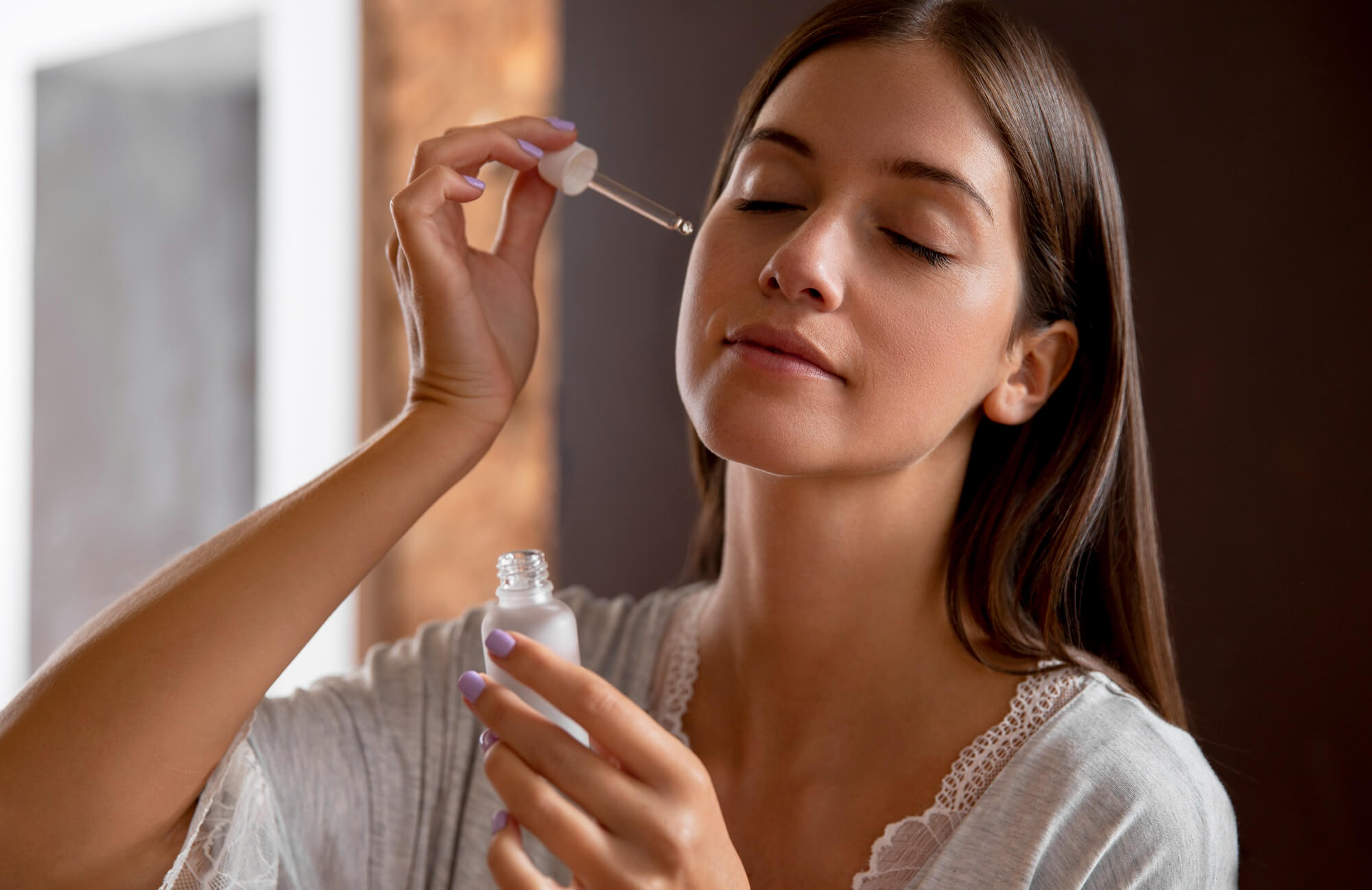
Think of serums as the special forces of skincare. They are lightweight liquids packed with active compounds designed to penetrate deeply into the skin. Moisturizers, on the other hand, mainly focus on hydration and sealing everything in.
Best practice: Apply serum first, followed by moisturizer to lock it in.
2. Are serums effective or just hype?
Yes, they work — but only if you choose the right one. Serums aren’t magic; their effectiveness depends on proven ingredients like hyaluronic acid (hydration), vitamin C (brightening), and retinol (anti-aging). Results require consistency and patience — most changes show up after 4–8 weeks.
Learn how to choose a serum for your skin type.
3. Which serum should I use first if I’m building a routine?
- Hydration → Hyaluronic acid
- Glow → Vitamin C (morning)
- Anti-aging → Retinol (night)
Don’t pile on everything at once — your skin will thank you.
4. Can I use two serums at the same time?
Yes, layering is possible — but be careful with combinations.
❌ Avoid: Retinol + Vitamin C (unless specifically formulated together)
✅ Safe combos:
- Hyaluronic acid + anything
- Niacinamide + Vitamin C
- Peptides + Retinol
5. Why are serums so expensive?
Because they contain higher concentrations of active ingredients. But expensive doesn’t always mean effective — a well-formulated drugstore niacinamide serum can work as well as a luxury option.
Focus on: ingredients, formulation, and stability.
6. Do I really need a serum if I already use a moisturizer?
If you want targeted results, yes.
- Moisturizer = food (hydration)
- Serum = medicine (specific issues: acne, fine lines, dullness, dark spots)
7. What’s the best serum for delicate skin?
Look for fragrance-free, alcohol-free formulas with calming ingredients such as Centella Asiatica, panthenol, or aloe vera. Always patch test first. Sensitive skin prefers gentle hydration and repair.
8. How long before I see results from a serum?
- Hydration serums (Hyaluronic Acid): Hours to 1 day
- Brightening serums (Vitamin C): 2–4 weeks
- Anti-aging serums (Retinol/Peptides): 6–12 weeks
Consistency is the secret ingredient.
9. Can men use serums too?
Absolutely! Skin is skin. Men often face oiliness, shaving irritation, or dullness — serums like niacinamide, hyaluronic acid, or vitamin C are excellent options. Don’t be fooled by gendered packaging.
10. What’s the #1 serum dermatologists recommend?
Hyaluronic acid is a safe and universal starting point because every skin type benefits from hydration. After that, dermatologists recommend based on age, skin type, and concerns.
The Bottom Line
Serums are not just expensive gimmicks — they’re targeted solutions for real skin issues. The secret is to choose wisely, introduce them gradually, and stay consistent.
Before buying, ask yourself: What does my skin actually need right now? Then pick one serum that answers that question.
Because in skincare, less confusion = more glow.