Belldiva
Luxury Beyond Boundaries • Rooted in Care, Refined in You
Women’s Skincare Routine by Age: Your Complete Decade-by-Decade Guide
What is happening to your skin at every stage, which ingredients are clinically proven to work, and how to build a routine that truly evolves with you.
Anti-Aging
Ingredients
Women’s Wellness
Menopause Skin
Collagen
By Belldiva Editorial • 2026 • 20–22 min read
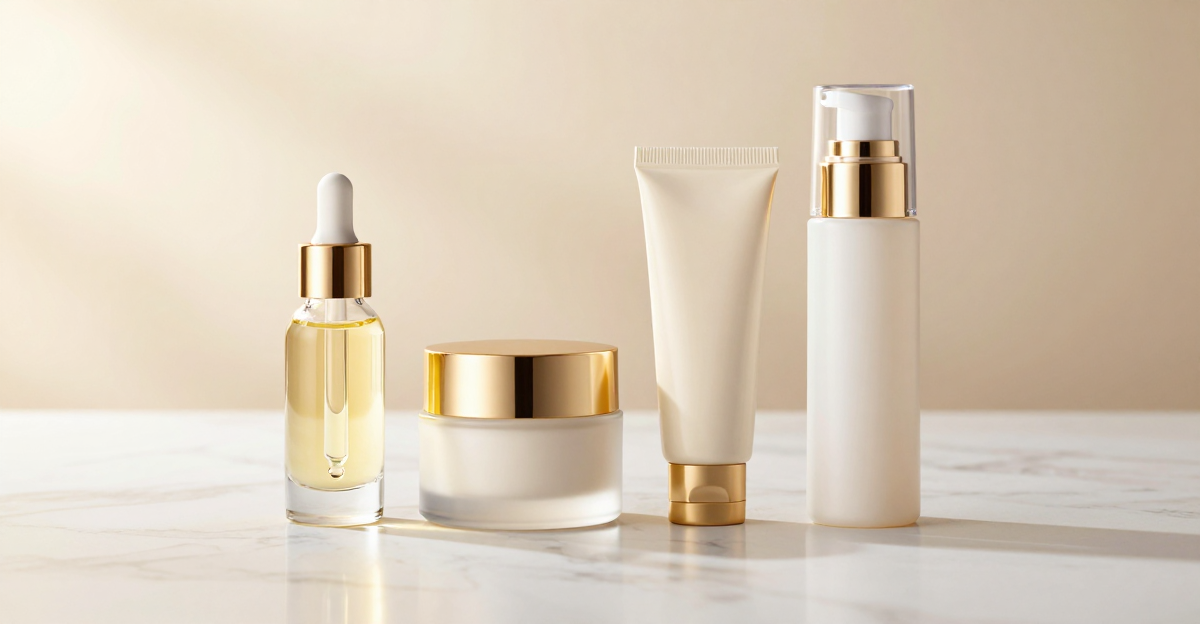
Your skin does not need an overhaul every decade. It needs a strategic, informed evolution. Here is exactly what that looks like from your 20s through your 50s and beyond.
Why your skincare routine must evolve with you
At some point, almost every woman stands in front of the mirror and wonders whether what she is doing for her skin is still the right thing. A product that worked well at 28 may feel insufficient at 42. Fine lines appear that were not there a year ago. Moreover, perimenopause can bring changes that no one adequately prepared her for. These are not failures of discipline or routine. They are biological events that every woman experiences, and they call for an informed response.
Notably, as Tashara Lester, Nurse Practitioner at U.S. Dermatology Partners, explains, “What you do in your twenties will show in your thirties, to your forties, to your fifties, and so on. That is why it is so important to have different skincare regimens for each stage of your life” (U.S. Dermatology Partners, March 2025). Consequently, the most effective approach to women’s skincare by age is not a static routine held constant across decades. Rather, it is a living practice that responds intelligently to what your skin is doing biologically at each stage.
Specifically, this guide is grounded entirely in research published between 2024 and 2026, alongside guidance from board-certified dermatologists. It covers the biology of how women’s skin changes decade by decade, the specific ingredients with current clinical evidence, and a complete morning and evening routine for each age group.
What this guide covers
In this complete women’s skincare guide, you will find the current science behind how skin changes decade by decade, a full breakdown of ingredients supported by recent clinical evidence, morning and evening routines for the 20s, 30s, 40s, and 50s and beyond, dedicated guidance on perimenopause and menopausal skin, and Belldiva-recommended brands for each stage. All sources are referenced throughout and listed in full at the end.
Your skin does not age uniformly. It changes in specific, measurable ways at each decade. Understanding those changes is where genuinely effective skincare begins.
Annual collagen loss after menopause (Journal of Cosmetic Dermatology, 2025)
Of women report skin changes during perimenopause and menopause (PMC, 2025)
Decades of evidence-based routines in this guide
Part One: How Women’s Skin Changes with Age — The Current Science
Before building any routine, understanding what is actually happening in your skin is essential. Women’s skin undergoes specific, clinically documented biological changes at each decade, and knowing them is what separates guesswork from genuine care.

Understanding the biology of how women’s skin ages is the first and most important step to building a routine that genuinely works.
The foundational story: collagen and skin aging
Collagen is the structural protein that keeps skin firm, plump, and resilient. Its decline is the primary driver of visible aging. According to a 2025 narrative review published in the Journal of Cosmetic Dermatology by Viscomi, Muniz, and Sattler, the decline in estrogen during menopause contributes to structural and functional skin changes including decreased collagen production, reduced elasticity, and moisture loss. The same review confirmed that skin collagen content declines at an average rate of 2.1 percent per postmenopausal year over a 15-year period, a figure consistent with observational and histological studies cited across its literature search spanning 1971 to 2024.
Furthermore, a 2025 peer-reviewed paper on menopause, the menstrual cycle, and skin barrier function, published in Skin Research and Technology (PMC12206585), confirmed that low estrogen levels in postmenopause cause both collagen atrophy and reduced water content in the stratum corneum, the outermost protective layer of the skin. The study additionally noted that over 60 percent of women report experiencing a variety of skin issues during perimenopause and menopause. These are therefore not cosmetic concerns. They are documented biological events that respond well to targeted skincare when approached correctly.
Cell turnover, UV damage, and the skin barrier
Beyond collagen, three additional changes drive what you see decade by decade. First, cell turnover slows progressively. Second, cumulative UV exposure becomes visible. First, cell turnover slows progressively. In your 20s, skin cells renew approximately every 28 days. By your 40s, that cycle can extend to 45 or even 60 days, causing dead cells to accumulate on the surface and create the dullness that topical coverage cannot address. Second, cumulative UV exposure becomes visible. The damage that accumulated silently in your 20s and 30s surfaces as hyperpigmentation, uneven tone, and textural changes from the 40s onward. Third, the skin barrier becomes less efficient at retaining moisture with each passing decade, a process that accelerates sharply at menopause due to falling estrogen and progesterone levels.
A January 2024 study in the journal Cosmetics (MDPI) on dermatological changes during menopause confirmed that declining estrogen detrimentally impacts the skin’s extracellular matrix, the structural framework that provides strength and elasticity. Specifically, the study documented decreased collagen production, loss of elasticity, increased wrinkling, dry skin, itching, atrophy, and sagging as direct consequences of hypoestrogenism, based on survey responses from 463 postmenopausal women aged 42 to 83.
Additionally, a 2025 systematic review in the American Journal of Clinical Dermatology by Springer Nature searched PubMed, Embase, and Web of Science through to September 2024, confirming that menopause is a universal physiological transition marked by estrogen decline with important effects on skin and mucosal health, including contributions to conditions such as adult acne, rosacea, and melasma.
Part Two: Skincare in Your 20s — Prevention Is the Entire Strategy
Your 20s represent your skin’s biological peak in terms of collagen production, cell turnover speed, and natural elasticity. The priority during this decade is not correction. It is protection and prevention, building habits that your future self will be genuinely grateful for.
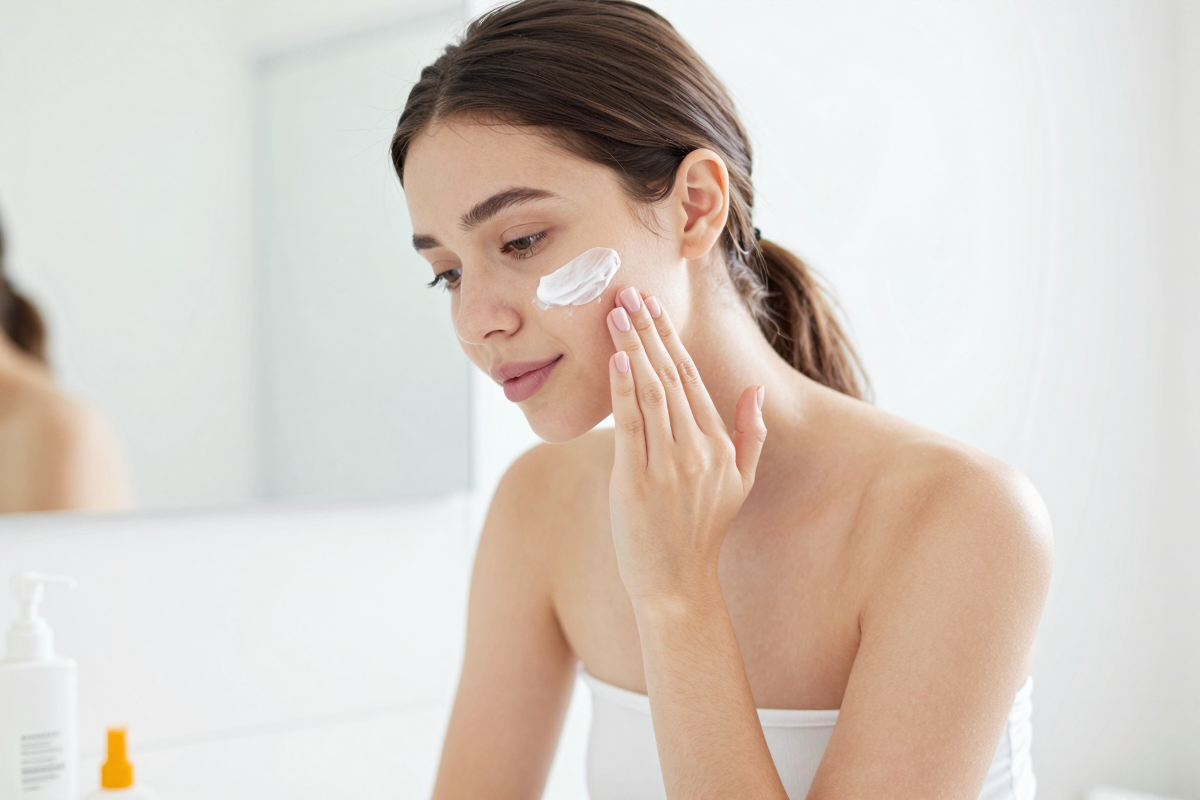
In your 20s, your skin is at its biological peak. The habits you establish now will define how your skin looks at 40, 50, and beyond.
What is happening to your skin in your 20s
Although your 20s feel like your skin’s prime, subtle biological changes are already underway. Collagen production begins its gradual decline from around the mid-20s. Additionally, lifestyle factors including inconsistent sleep, unmanaged stress, and sun exposure without adequate protection also begin to accumulate their effects during this decade. As Clarus Dermatology notes in their November 2025 clinical guide, your 20s are the best time to establish protective habits that will preserve your skin for decades to come, because prevention at this stage is considerably more effective than correction later.
Moreover, the 20s are still an acne decade for many women, often driven by hormonal fluctuations. Breakouts may shift from the forehead and midface of adolescence to the jawline, signalling a hormonal rather than purely hygiene-related cause. Consequently, cleansing and targeted treatment remain important foundations even during this otherwise resilient decade.
Key ingredients for your 20s
When to introduce retinol in your 20s
Your 20s routine at a glance
Morning routine: First, apply a gentle cleanser, then a lightweight moisturiser, and finally broad-spectrum SPF 30 or higher.
Evening routine: Cleanse thoroughly (double cleanse if wearing SPF or makeup), then apply a lightweight moisturiser.
Two to three nights per week (late 20s): Low-potency retinol after cleansing, followed by moisturiser to buffer any sensitivity.
Part Three: Skincare in Your 30s — Active Ingredients Earn Their Place
Your 30s are when the first tangible changes become visible. Fine lines appear around the eyes and mouth. Skin tone grows less even. The bounce-back from a poor night of sleep takes longer than it once did. This decade calls for a targeted, ingredient-driven approach to build on the prevention established in your 20s.
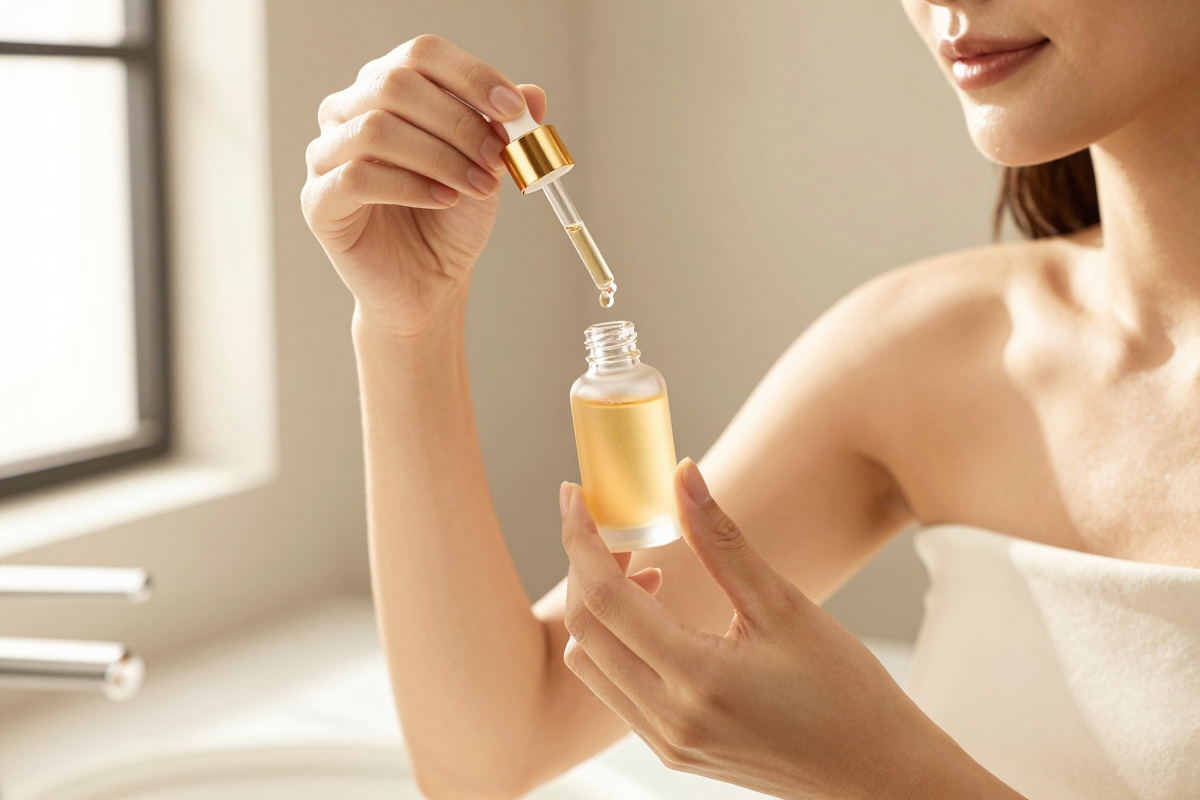
In your 30s, active ingredients earn their place in your routine. Vitamin C, retinol, and hyaluronic acid are not luxuries at this stage. They are well-evidenced investments.
What is happening to your skin in your 30s
Collagen and elastin production continue to decline in the 30s, and the cumulative effects of UV exposure and environmental stress begin to become visible as uneven pigmentation and subtle textural changes. Cell turnover is also measurably slowing, meaning that dead skin cells are not shedding as efficiently. As DermOnDemand notes in their October 2025 clinical guide, in your 30s skin cell turnover slows, collagen production decreases, and fine lines and wrinkles may begin to appear, making hydration, daily sun protection, and targeted active treatments essential components of an effective regimen.
Furthermore, hormonal changes, particularly those related to pregnancy and the post-partum period, can also trigger adult acne or new patterns of sensitivity. Moreover, this is the decade when the long-term benefit of previous sun protection habits becomes most visible. Specifically, women who protected their skin in their 20s enter their 30s with measurably better tone, texture, and collagen density than those who did not.
Key ingredients for your 30s
Exfoliation and hydration in your 30s
Your 30s routine at a glance
Every morning: Begin with a gentle cleanser, then apply vitamin C serum, niacinamide or hyaluronic acid, eye cream, ceramide moisturiser, and finally SPF 30 or higher.
Monday, Wednesday, Friday evenings: Double cleanse, retinol serum, rich ceramide moisturiser, eye cream.
Tuesday, Thursday (one exfoliation night): Double cleanse, AHA or BHA exfoliant for 5 to 10 minutes, ceramide moisturiser, eye cream. No retinol on this night.
Part Four: Skincare in Your 40s — Deeper Nourishment and Perimenopause Awareness
Your 40s bring a convergence of changes: declining estrogen as perimenopause begins, accelerating collagen loss, significantly slower cell turnover, and skin that requires richer and more targeted hydration. The active ingredients that worked in your 30s are now needed at higher concentrations and with more comprehensive barrier support.
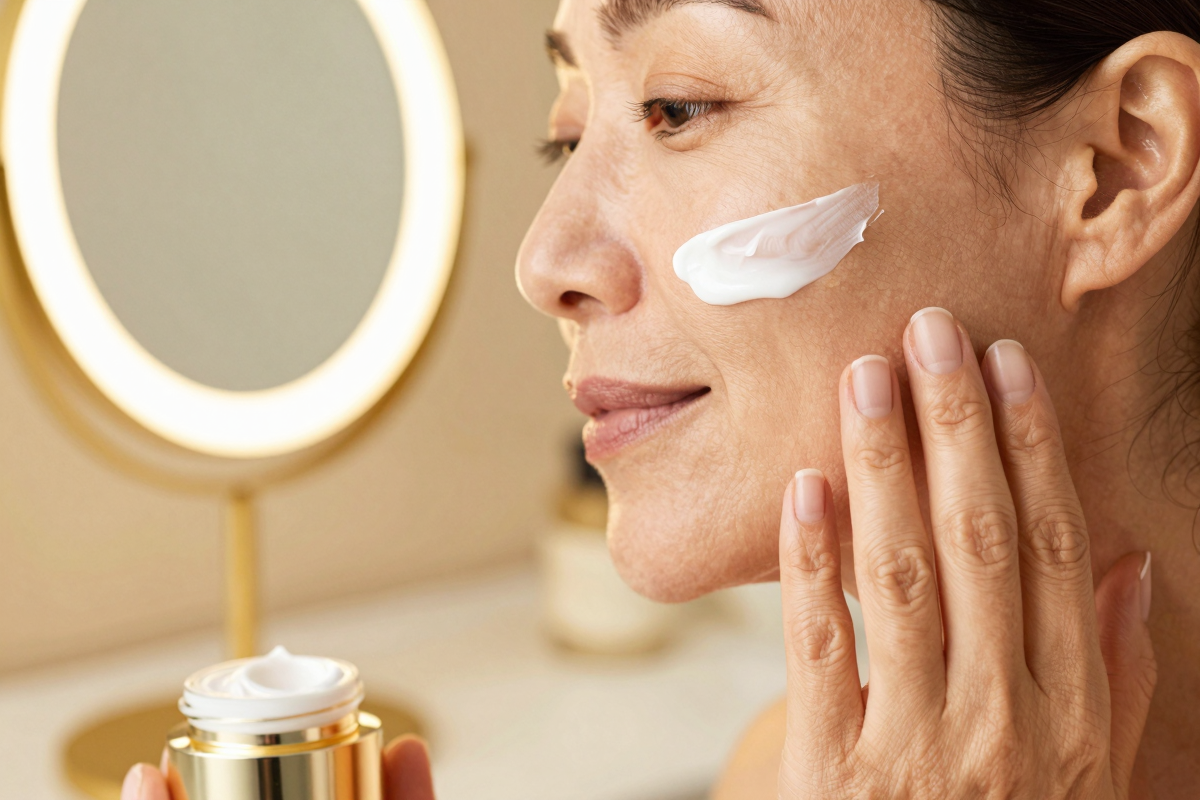
In your 40s, the most effective active ingredients become more impactful than ever. This is not a decade to scale back. It is a decade to invest thoughtfully and specifically.
What is happening to your skin in your 40s
Perimenopause typically begins in the mid-40s and brings a meaningful hormonal shift. The 2024 Cosmetics journal study on dermatological changes during menopause confirmed that during the perimenopausal period, estrogen levels gradually decrease and the aromatisation of androgens increases, leading to variations in sebum levels. Overall, skin dryness becomes noticeable, though it may initially be partially compensated by hypertrophy of the sebaceous glands. Later, when sebum production is markedly reduced by hypoestrogenism, skin becomes increasingly dry, followed by sagging and atrophy.
In addition, perimenopause can trigger adult acne for some women, driven by the shift in the androgen-to-estrogen ratio. As a result, this creates a particularly challenging combination: skin that is simultaneously drier, more sensitive, and occasionally breaking out. Therefore, the skincare approach in the 40s must balance active treatment with deep nourishment and barrier repair to address all of these changes simultaneously.
Priority ingredients for your 40s
Retinol (Upgrade to 0.5 to 1 Percent) or Prescription Retinoid
By the 40s, increasing retinol concentration is clinically warranted. Consequently, discussing a prescription retinoid such as tretinoin with your dermatologist is also advisable. The October 2025 MDPI Cosmetics study on retinal-based concentrates confirmed that cosmetic retinoids demonstrate strong efficacy in reducing photoaging signs, including fine lines, wrinkles, and pigmentation, while offering improved tolerability compared to earlier formulations. Retinal (retinaldehyde) specifically requires only one conversion step to become retinoic acid and is reported to be significantly more bioavailable than retinol esters, making it an excellent upgrade option at this stage.
Niacinamide (Continue and Prioritise)
Notably, the April 2024 PMC review on mechanistic insights into niacinamide (PMC11047333) confirmed it contributes to the skin’s extracellular matrix integrity by preserving collagen, inhibiting matrix-degrading enzymes, promoting collagen and elastin production, and addressing multiple major aspects of skin aging simultaneously. In addition, the January 2026 Cosmoderma review confirmed that niacinamide’s combined anti-aging, anti-hyperpigmentation, and barrier-repair properties make it an indispensable ingredient for aging skin.
Upgrading your moisturiser and SPF in your 40s
Richer Barrier-First Moisturisation
A lightweight moisturiser from your 20s will no longer suffice in the 40s. Switch to a richer cream combining hyaluronic acid as a humectant with ceramides, squalane, and fatty acids as emollients and occlusives. This combination draws water into the skin and then seals it in, which is essential during the perimenopausal transition when the barrier becomes progressively compromised.
SPF 50 (Upgrade from SPF 30)
From the 40s, upgrading to SPF 50 is clinically advisable. Specifically, skin is thinner, more susceptible to UV damage, and slower to repair itself. The 2025 Scientific Reports network meta-analysis confirmed that UV exposure is the primary driver of photoaging and that consistent sun protection is the most impactful prevention available at any age. Consequently, SPF 50 provides meaningfully greater protection for skin that is less able to manage cumulative UV exposure than it was a decade earlier.
Your 40s routine at a glance
Every morning: Creamy cleanser, vitamin C serum, niacinamide serum, rich peptide and ceramide moisturiser, eye cream, SPF 50.
Monday, Wednesday, Friday evenings: Double cleanse, upgraded retinol or retinoid, rich overnight cream, eye cream.
Tuesday or Thursday: Double cleanse, glycolic or lactic acid exfoliant, rich moisturiser, eye cream. No retinol this night.
Every evening: Also, extend all moisturiser application down the neck and chest, since these areas age at the same rate and are consistently the most neglected.
Part Five: Skincare in Your 50s and Beyond — Nourishment, Barrier Repair, and Menopausal Skin
Your 50s mark the most significant hormonal transition in a woman’s skin biology, primarily driven by menopause and the sharp fall in estrogen. However, with the right approach, the right ingredients, and genuine consistency, skin at 50 and beyond can look and feel extraordinary. This is a decade that rewards deep investment in nourishment and barrier repair.
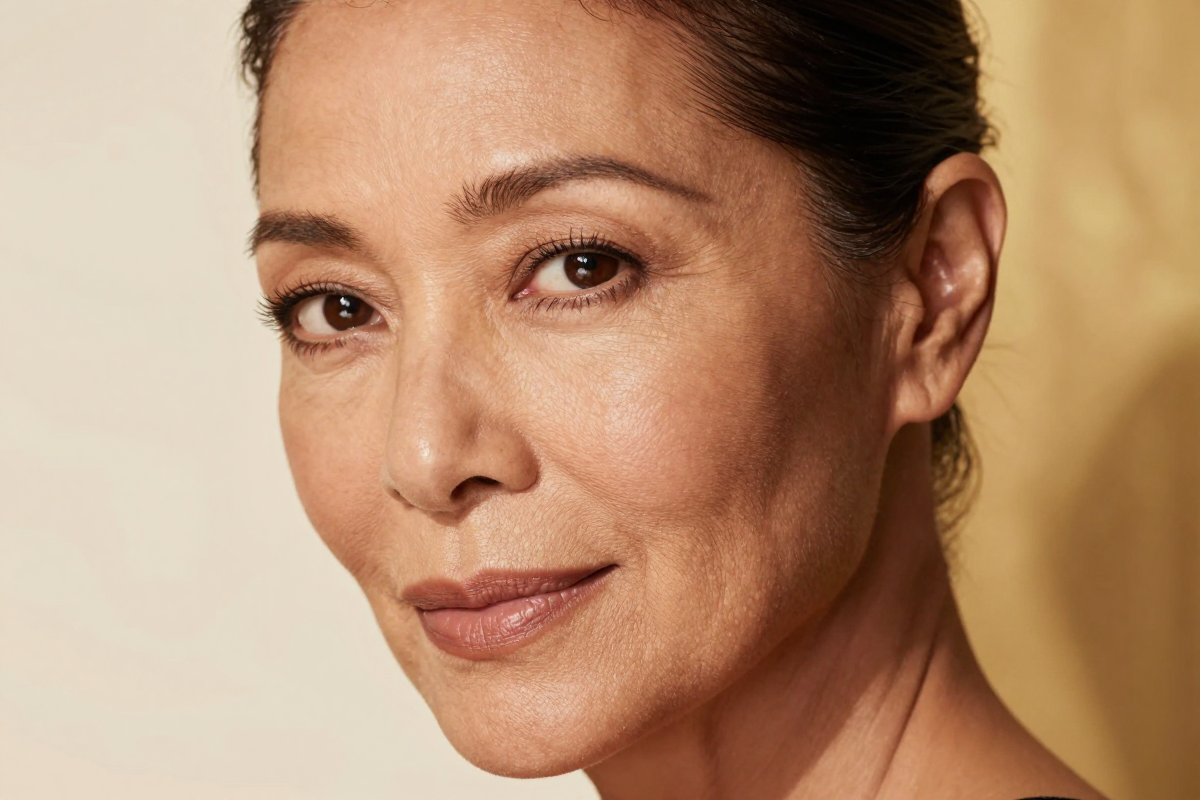
Skin at 50 and beyond can be extraordinary. Understanding exactly what it needs biologically and providing that with consistency and intention is the key.
What is happening to your skin in your 50s: the menopause effect
The 2025 Journal of Cosmetic Dermatology review by Viscomi, Muniz, and Sattler, which conducted a comprehensive literature search across PubMed, Scopus, Google Scholar, and the Cochrane Library through 2024, provides the clearest current picture of what happens to skin at menopause. Specifically, that review confirmed that estrogen supports collagen synthesis, glycosaminoglycan production, and sebum regulation. After menopause, decreased estrogen production leads to thinning, wrinkling, and impaired wound healing. Skin collagen content declines at 2.1 percent per postmenopausal year over 15 years, driven by menopausal age rather than chronological age. Additionally, evidence from the review indicates that hormone replacement therapy can partially reverse or slow these changes, particularly when initiated close to the onset of menopause.
Furthermore, the 2025 Skin Research and Technology study (PMC12206585) confirmed that over 60 percent of women report experiencing a variety of skin issues during perimenopause and menopause. The most common include dryness, increased sensitivity, reduced firmness, and changes in pigmentation. These are not isolated cosmetic complaints. They are consistent, clinically documented responses to the most significant hormonal transition a woman’s skin undergoes.
Why your existing products may suddenly feel wrong
One of the most disorienting aspects of menopausal skin is that the products which worked perfectly for years may suddenly feel inadequate, irritating, or insufficient. Specifically, this is not a failure of the products. It is a biological fact: your skin is fundamentally different from the skin those products were designed for. In particular, board-certified dermatologist Dr. Cybele Fishman, writing in a December 2024 guide updated December 2025 for Elektra Health, explains that understanding what estrogen and testosterone do in the skin, and why their loss can make skin feel as though it has aged dramatically in a short time, is essential for navigating this transition with the right products and realistic expectations.
Specifically, hyaluronic acid serums can actually draw moisture out of already-depleted postmenopausal skin in dry environments if there is no occlusive layer applied on top to seal the moisture in. As a result, layering a lipid-based moisturiser over hyaluronic acid is more important than ever at this stage. Therefore, the skincare principle of applying water-binding ingredients first, then sealing them with lipid-rich emollients, is not optional in the 50s. It is essential.
Key ingredients for your 50s and beyond
Exfoliation and professional care in your 50s
Your 50s routine at a glance
Every morning: Gentle creamy cleanser, hyaluronic acid serum applied to damp skin, niacinamide serum, rich ceramide and fatty acid moisturiser, eye cream, SPF 50.
Monday, Wednesday, Friday evenings: Double cleanse, retinol or retinoid using the sandwich technique if sensitivity is elevated, rich peptide overnight cream, eye cream.
Once weekly (choose one evening): Lactic acid exfoliant, followed by rich barrier cream. No retinol on this night.
Always: Additionally, extend every product application to the neck, chest, and hands. Moreover, schedule an annual skin cancer screening with a dermatologist.
The most powerful skincare routine is not the most expensive one. It is the one that is right for your skin today, applied consistently enough to allow the science to work.
Part Six: Four Skincare Principles That Apply at Every Age
Regardless of your decade, these four principles are consistent across every dermatologist recommendation and every clinical study reviewed for this guide. Rather than trends, they are the evidence-based fundamentals that underpin every recommendation made above.
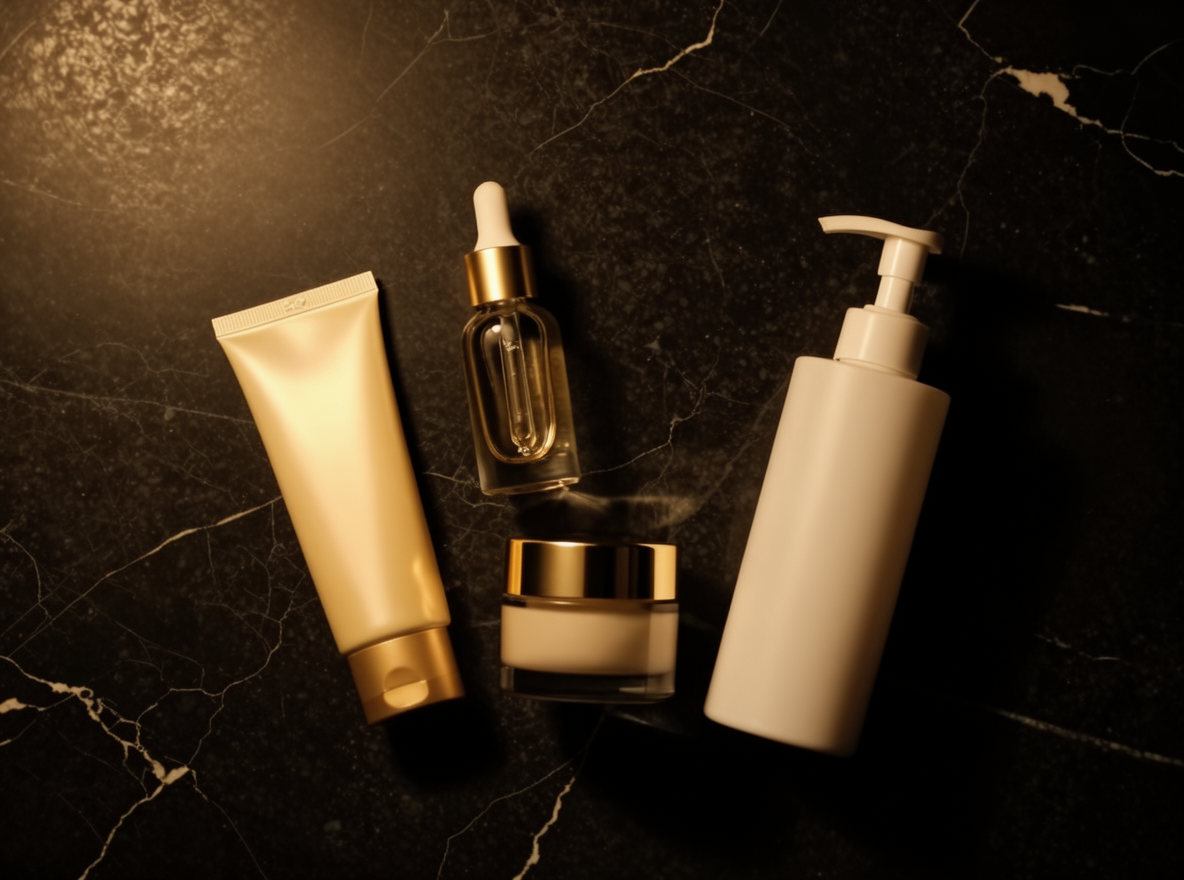
Four products earn their place at every decade: a gentle cleanser, a hydrating serum, a quality moisturiser, and SPF. Everything else builds on this foundation.
Principle one: SPF is the most evidence-backed anti-aging tool available
The 2025 Scientific Reports network meta-analysis by Lin, Chen et al. identified UV-induced photoaging as the primary cause of skin deterioration because UV exposure activates reactive oxygen species that accelerate the degradation of collagen and elastin fibres. Consequently, every board-certified dermatologist reviewed for this guide cites daily broad-spectrum SPF as the single most important anti-aging measure available. When applied consistently from your 20s onward, SPF prevents the UV damage that will otherwise surface as pigmentation, textural changes, and accelerated collagen loss from your 40s onward.
Principle two: consistency outperforms complexity
Indeed, a five-step routine used consistently every day will always outperform a twelve-step routine used three times per week. Every active ingredient in this guide works by accumulating biological effect over time. As the 2024 Bogdanowicz et al. Scientific Reports clinical trial demonstrated, two full months of consistent niacinamide and hyaluronic acid application were required before significant improvements in fine lines, wrinkles, and skin plumpness were measurable. Consistency is therefore not a soft recommendation. It is a clinical requirement for results.
Principle three: lifestyle is part of the skincare routine
Notably, the Midi clinical review (October 2025) includes references to peer-reviewed research on the direct impact of sleep, stress, and hydration on skin quality. During deep sleep, collagen production and skin cell repair are at their most active. Cortisol, the primary stress hormone, directly degrades existing collagen and impairs barrier function. A diet rich in antioxidants, adequate daily hydration, and consistent stress management all measurably support skin health in ways that no topical product can fully compensate for. Overall, internal health is not separate from your skincare routine. It is its foundation.
Principle four: it is never too late to begin
The 2025 Scientific Reports network meta-analysis included participants across a wide age range and confirmed that retinol and retinoids significantly improved fine wrinkles regardless of when treatment was initiated. SPF prevents new UV damage from the very first day it is applied. Niacinamide begins improving barrier function within weeks at any age. Starting a considered skincare routine at 55 is not too late, and the same is true at 65. Indeed, skin responds to care at every stage of life, and the only regret in skincare is the routine never started.
Part Seven: How Long Each Ingredient Takes to Work
Managing expectations is just as important as choosing the right ingredients. After all, every active ingredient in this guide works by accumulating biological effect over time. Here is what current clinical evidence says about realistic timelines for each key active.
Consequently, visible plumping and hydration appear within 24 to 72 hours of first use. Must be sealed with a moisturiser on top to prevent evaporation, particularly in post-menopausal and dry-climate skin.
Specifically, barrier improvements appear within 2 to 4 weeks. Wrinkle, fine line, and radiance improvements measurable at 8 weeks per the 2024 Bogdanowicz et al. Scientific Reports clinical trial.
Similarly, improved radiance and early pigmentation reduction appear within 3 to 4 weeks of consistent daily morning use.
Furthermore, improved texture and brightness appear within 2 to 3 weeks of twice-weekly use at the appropriate concentration.
Initially, early texture improvements appear from 4 to 8 weeks. Significant collagen-related anti-aging benefits from 12 weeks of consistent use, per the 2025 Scientific Reports network meta-analysis.
Above all, SPF prevents new UV damage from day one. Benefits compound invisibly over months and years and become most visible as preserved collagen density and even tone from the 40s onward.
Notably, measurable barrier improvement and reduction in transepidermal water loss appear within 1 to 2 weeks of daily consistent use.
Finally, measurable firmness and collagen-related improvements appear from 6 to 12 weeks of consistent daily application.
Part Eight: Common Questions Women Ask About Skincare by Age
Straightforward, evidence-based answers to the questions that come up most consistently when women begin taking their skincare seriously at any decade.
Frequently asked questions
Can I use retinol if my skin has become sensitive during perimenopause?
Yes, with care and a modified approach. The sandwich technique, applying moisturiser before and after retinol, significantly reduces irritation without compromising efficacy. Begin with a low concentration used once per week, then increase frequency slowly over four to six weeks. Furthermore, the 2025 MDPI Cosmetics retinal study notes that cosmetic retinoids such as retinal (retinaldehyde) offer improved tolerability compared to earlier formulations and may be a better fit for sensitive post-menopausal skin.
Should my routine change significantly during perimenopause?
Yes. The 2024 Cosmetics journal study on menopausal dermatological changes documented that skin dryness, sensitivity, and barrier compromise all increase measurably during perimenopause. Switch to richer cleansers and moisturisers, prioritise barrier-first ingredients including ceramides and fatty acids, and consider reducing exfoliation frequency from twice to once weekly if sensitivity increases. Additionally, the December 2024 guide by Dr. Cybele Fishman of Elektra Health recommends revisiting every product in your routine during this transition and reassessing whether it suits your current skin, not the skin you had before.
How many products do I actually need at each decade?
In your 20s, three to four products are sufficient: cleanser, moisturiser, and SPF, with retinol added in the late 20s. By the 30s, five to six products deliver the best results, adding vitamin C, niacinamide, and an eye cream to the foundation. From the 40s and 50s onward, six to eight products are appropriate, with richer formulas and additional barrier-repair steps. Regardless of age, fewer products used consistently outperform many products used irregularly.
Professional guidance and starting at any age
Is it worth seeing a dermatologist for skincare advice?
Yes, and increasingly so as you age. In your 30s, a dermatologist can prescribe tretinoin if over-the-counter retinol is insufficient for acne or pigmentation. From the 40s and 50s onward, they can tailor prescription treatments to your specific hormonal changes, discuss whether HRT may offer skin benefits in your individual case, and recommend in-office treatments including lasers, radiofrequency, or injectables if you choose to explore them. Annual skin cancer screenings are clinically recommended from the 40s onward.
Is it too late to start a proper skincare routine in my 50s or 60s?
No, it is not too late. The 2025 Scientific Reports meta-analysis confirmed that retinoids improve fine wrinkles across a wide age range, and SPF prevents new UV damage from the very first day of consistent use. Niacinamide improves barrier function within weeks at any age. Starting a considered, consistent skincare routine at 55 or 65 produces measurable and visible improvements. The skin responds to evidence-based care at every stage of life.
At Belldiva, we believe taking care of your skin is one of the most consistent and rewarding forms of self-investment available to you. Not because of how it looks. Because of what it represents: the daily decision that you are worth showing up for.
Sources and research references
Peer-reviewed studies and clinical research
Viscomi B, Muniz M, Sattler S. Managing Menopausal Skin Changes: A Narrative Review. Journal of Cosmetic Dermatology (Wiley). 2025. PMC12374573 | Lin L, Chen X et al. Comparative efficacy of topical interventions for facial photoaging: a network meta-analysis. Scientific Reports. July 2025. nature.com/articles/s41598-025-12597-0 | Bogdanowicz P et al. Senomorphic activity of a combination of niacinamide and hyaluronic acid. Scientific Reports. July 2024. nature.com/articles/s41598-024-66624-7 | Marques C et al. Mechanistic Insights into Multiple Functions of Niacinamide. Antioxidants (Basel). March 2024. PMC11047333 | Huang HY et al. Tretinoin for Photodamaged Facial Skin: Systematic Review and Meta-Analysis. Dermatology Practical and Conceptual. October 2025. PMC12615114 | Peralta M et al. Menopause, Menstrual Cycle, and Skin Barrier Function. Skin Research and Technology. July 2025. PMC12206585 | Merzel Sabovic EK, Kocjan T, Zalaudek I. Treatment of Menopausal Skin. Post Reproductive Health. 2024. journals.sagepub.com/doi/10.1177/20533691241233440
Dermatologist guidance and clinical practice sources
Fishman C (MD). The Best Skincare Routine for Aging Skin. Elektra Health. December 2024, updated December 2025. elektrahealth.com | Clarus Dermatology. Skincare in Your 20s, 30s, 40s and 50s. November 2025. clarusdermatology.com | Lester T. The Best Skin Care Routine by Age. U.S. Dermatology Partners. March 2025. usdermatologypartners.com | DermOnDemand. Dermatologist-Recommended Skin Care Routine for the 30s. October 2025. dermondemand.com | Machado R et al. Dermatological Changes during Menopause and HRT. Cosmetics (MDPI). January 2024. mdpi.com/2079-9284/11/1/9 | MDPI Cosmetics. Efficacy and Safety of a Novel Anhydrous 0.1% Retinal-Based Concentrate. October 2025. mdpi.com/2079-9284/12/6/235 | PMC12609848. The Next Generation of Skin Care: Transforming Retinoid Therapeutics. November 2025 | PubMed 41088896. Exploring Niacinamide as a Multifunctional Agent. October 2025 | Cosmoderma. Niacinamide Efficacy in Skin Therapy: A Comprehensive Literature Review. January 2026
The information in this guide is intended for educational purposes and reflects dermatological research current to early 2026. It does not constitute medical advice. Always consult a qualified dermatologist or healthcare professional before beginning any new skincare regimen, particularly if you have existing skin conditions, sensitivities, or are experiencing hormonal changes.
women’s skincare routine by age
skincare in your 20s
skincare in your 30s
skincare in your 40s
skincare in your 50s
menopausal skincare
retinol for women
collagen loss menopause
niacinamide skin benefits
vitamin C serum
perimenopause skin
best skincare ingredients by age
anti-aging skincare
Belldiva skincare
Rooted in Care. Refined in You.
Explore Belldiva’s Curated Skincare Collection
Over 70 luxury brands in beauty, skincare, health, and wellness. Every brand chosen for genuine excellence and real results.
Luxury Beyond Boundaries • Rooted in Care, Refined in You
Belldiva’s Curated Skincare and Wellness Brands
All 70 Brands on Belldiva
Huda Beauty
Charlotte Tilbury
Sephora
MAC
Dior
Katini Skin
Ultra Violette
NYX Cosmetics
The Ordinary
Verb Products
BK Beauty
Prada Beauty
Estée Lauder
Vasanti Cosmetics
Brickell
Lumin
Blu Atlas
Liomen
Jaxon Lane
Beardbrand
Scotch Porter
Bevel
Menfirst
Atlas
SkinCeuticals
Lululemon
Mindful
Headspace
Calm
Fitbit
MyFitnessPal
Noom
Peloton App
Organifi
Ritual
HUM Nutrition
Nike
YSL (Saint Laurent Beauty)
Lancôme
Clinique
NARS
Elizabeth Arden ✦
Victoria Beckham Beauty
Make Up For Ever
Valentino Beauty
Bobbi Brown
Shiseido
Benefit Cosmetics
Smashbox
Kylie Cosmetics
Urban Decay
Sigma Beauty
Stila ✦
Clarins
Tarte Cosmetics
PUR Cosmetics
Glossier
Elemis London
Kiehl’s
Murad
Paula’s Choice
Viori Beauty
Life Extension
Lumen
Fiji Water
Anastasia Beverly Hills
Serious Skincare
Qure Skincare
Armani Beauty
✦ Affiliate partnership — commission may be earned on purchases made through these links at no extra cost to you.