Skin Longevity vs. Anti-Aging: Why the Language Has Finally Changed and Why It Matters
The beauty industry has shifted its language from reversing time to supporting your skin’s long-term function. Here is the science behind that shift, what it means in practice, and how to build a routine around it.
Skin Science
Healthy Aging
Ingredients
Skin Barrier
Cellular Health
By Belldiva Editorial • 2026 • 14–17 min read
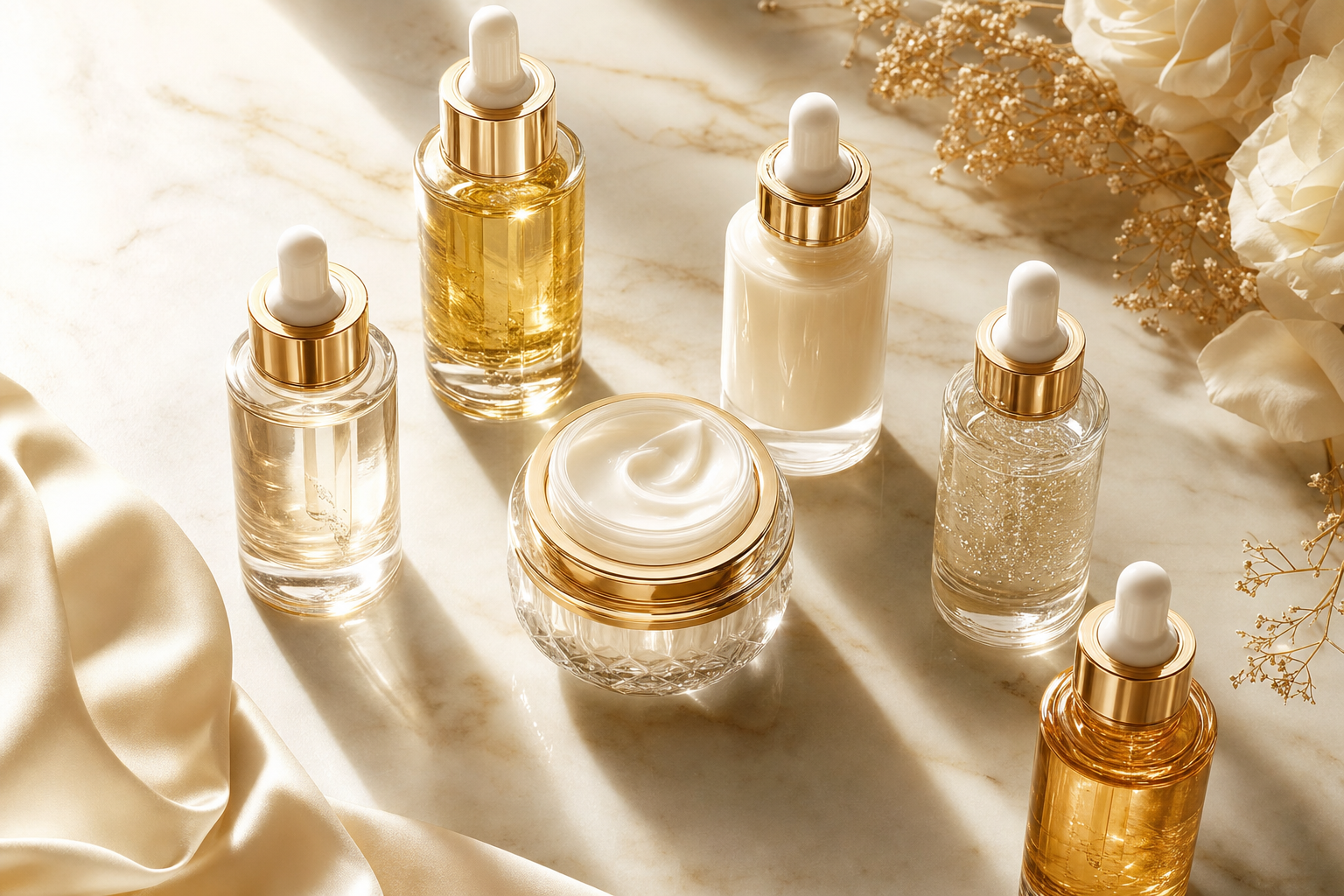
Skin longevity is not a marketing phrase. It is a scientific framework that changes what you look for in every product you choose, and why.
The promise that never quite held
For decades, the beauty industry’s central promise was reversal. Turn back the clock. Erase the years. Fight aging as though it were an opponent to be defeated. That framing shaped the language on every product label and across every skincare campaign. Skin longevity, the concept now replacing it, starts from an entirely different premise. It holds that how the skin functions over a lifetime matters far more than any promise of reversal.
The shift gaining momentum across dermatology, wellness research, and the most credible tier of the beauty industry is, however, quieter and considerably more meaningful. Specifically, skin longevity, the concept that has begun replacing anti-aging as the organising principle of serious skincare, is not simply a rebranding exercise. Rather, it reflects a genuine scientific evolution in how researchers, dermatologists, and formulators understand what skin health actually means over a lifetime.
The Global Wellness Institute identified skin longevity as one of the defining wellness trends of 2025 and 2026, noting that the conversation has shifted away from reversing the effects of time and toward optimising the skin’s health and function over the long term. That is a substantive change. Optimising function is a scientific goal. Reversing time is a marketing promise. This guide covers the science behind that shift, the biology it draws on, the ingredients with the strongest evidence base, and how to build a daily routine around it.
What this guide covers
You will find a clear account of the language shift and why it matters, the biological drivers of skin aging that the longevity framework addresses, a breakdown of the ingredients with the strongest clinical evidence, the lifestyle pillars that no product can replace, a practical daily routine built around these principles, and direct answers to the questions that come up most often. In addition, all research referenced is from peer-reviewed sources published between 2023 and 2026.
When your goal is longevity rather than reversal, the questions you ask about your routine change entirely. That change is where genuinely effective skincare begins.
Hallmarks of cellular aging now documented in skin biology (International Journal of Molecular Sciences, 2024)
Year the Global Wellness Institute formally named skin longevity a defining global wellness trend
Daily broad-spectrum SPF: still the single most evidence-backed skin health measure available (Scientific Reports, 2025)
Part One: The Language Shift and Why It Is Not Just Semantics
The move from “anti-aging” to “skin longevity” represents a change in the underlying philosophy of skincare. Understanding the difference clarifies what your routine is actually trying to accomplish, and why that matters for the choices you make every day.
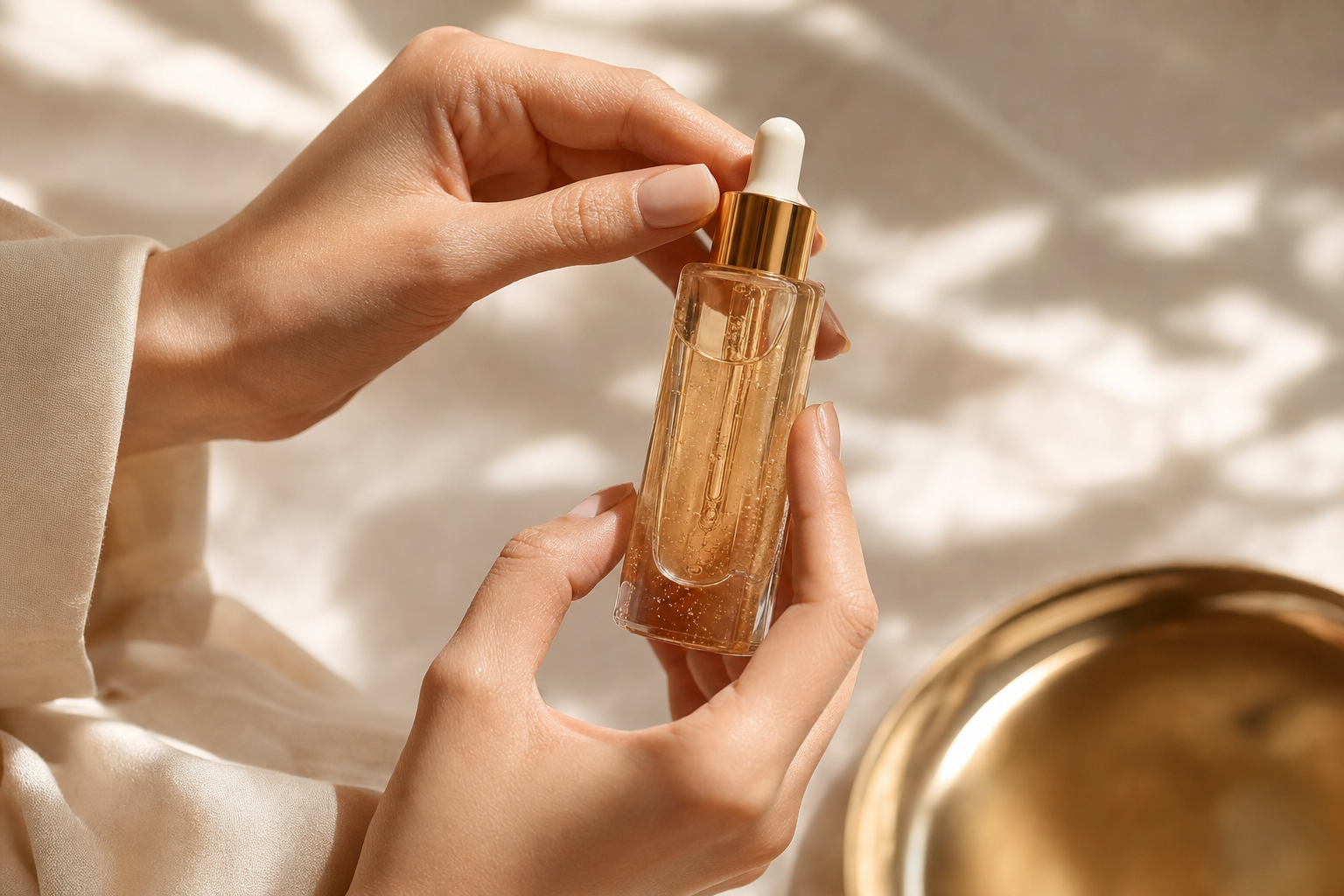
The shift from anti-aging to skin longevity changes the questions you ask about every product you choose, and what you expect those products to do.
The fundamental problem with anti-aging
The phrase “anti-aging” has one core problem: it positions aging as the enemy. By extension, it positions the person holding the product as someone with a deficiency to correct. Every product marketed this way carries that implicit message. Moreover, it creates a standard of success that is structurally impossible to meet, because no product reverses time. The result is a cycle of disappointment and replacement that serves the industry rather than the person using the products.
Dermatologists and researchers have, in fact, been quietly uncomfortable with the term for years. Consequently, the American Academy of Dermatology moved away from “anti-aging” language in its patient education materials in the early 2020s, preferring terms such as “photoaging prevention” and “skin health maintenance.” The premium end of the beauty industry has similarly followed, led by brands whose formulation philosophy is grounded in biology rather than aspiration. Shiseido, for example, has built its research framework around the idea that skin is a living ecosystem requiring balance and support rather than correction. Clarins has similarly positioned its approach around the skin’s inherent capacity to regulate and renew, treating that capacity as something to support rather than override.
What skin longevity asks of your routine
Skin longevity, by contrast, asks a fundamentally different set of questions. Rather than “what will reduce the appearance of this line?” it asks “what will keep my skin functioning well over the next decade?” Rather than “what reverses damage?” it asks “what prevents accumulation of damage in the first place, and what supports cellular repair when damage occurs?” These questions lead to different product choices, different priorities, and consistently better outcomes over time.
Practically, this means prioritising ingredients with documented mechanisms of action at the cellular or barrier level, rather than those that produce only temporary cosmetic effects on surface appearance. Furthermore, it means treating lifestyle as genuinely part of the skincare routine, because skin biology cannot be separated from the systems that sustain it.
Part Two: The Biology of Skin Aging That Longevity Science Addresses
Skin longevity as a framework draws directly on cellular biology and the broader science of aging. Understanding what is happening at the biological level explains why certain ingredients and habits work, and why others offer only the appearance of results.
The hallmarks of aging, expressed in skin
In 2013, Lopez-Otin and colleagues published a landmark framework in Cell identifying nine hallmarks of aging at the cellular level: genomic instability, telomere shortening, epigenetic alterations, loss of protein homeostasis, deregulated nutrient sensing, mitochondrial dysfunction, cellular senescence, stem cell exhaustion, and altered intercellular communication. Subsequently, a 2024 review in the International Journal of Molecular Sciences confirmed that all nine hallmarks are measurable in aging skin, with cellular senescence, oxidative stress, and mitochondrial dysfunction representing the most significant contributors to visible and functional skin changes over time.
What makes this relevant to your routine is not the biochemistry itself, but what it implies about strategy. Specifically, if skin aging involves accumulated damage to cellular machinery, then supporting cellular repair, protecting the barrier, reducing oxidative load, and maintaining microbiome balance all become biological priorities rather than cosmetic extras. As a result, a longevity-oriented routine addresses these underlying mechanisms directly. A conventional anti-aging routine, by contrast, often addresses only the surface expression of them.
Oxidative stress and the inflammaging cycle
Reactive oxygen species (ROS), generated by UV exposure, pollution, stress, and normal metabolic processes, attack DNA, proteins, and the lipids that form the skin barrier. Over time, this cumulative oxidative damage degrades collagen and elastin, compromises barrier integrity, and triggers the chronic low-grade inflammation that researchers now call “inflammaging,” a term that appears with increasing frequency in peer-reviewed literature on skin health. A 2024 paper in Antioxidants (Basel) by Marques et al. confirmed that oxidative stress is a primary driver of both intrinsic and extrinsic skin aging, with UV-induced ROS production representing the most significant external factor.
Indeed, SkinCeuticals has built its entire formulation philosophy around the antioxidant neutralisation of free radicals, a position supported by over two decades of published research focused on vitamin C, ferulic acid, and other antioxidant actives in photoprotection and collagen preservation. Their approach is, in this sense, a longevity approach. In fact, it always was.
Cellular senescence: what researchers call the zombie cell problem
As skin cells age and accumulate damage, some stop functioning normally but do not die. Consequently, these senescent cells secrete pro-inflammatory signalling molecules that damage surrounding tissue and accelerate aging in neighbouring cells. A 2025 review in the Journal of Investigative Dermatology confirmed that senescent cells accumulate progressively in aging skin and that their inflammatory secretory profile is a meaningful contributor to the chronic skin deterioration associated with time. As a result, targeting cellular senescence is now an active area of both pharmaceutical research and premium cosmetic formulation, and it represents one of the clearest points where longevity science directly informs what goes into a product.
Barrier decline and the microbiome connection
The skin barrier, a layered structure of lipids and proteins that retains moisture and protects against environmental aggressors, becomes progressively less efficient with age. This decline is driven by reduced ceramide synthesis, slower cell turnover, and changes in the skin microbiome: the community of bacteria and other microorganisms that maintain the skin’s protective ecosystem. A 2024 paper in the Archives of Dermatology Research confirmed that microbiome dysregulation contributes to barrier compromise, chronic inflammation, and accelerated skin aging.
Consequently, the skin microbiome is not a peripheral consideration in a longevity-focused routine. It is a central one. Products that support rather than disrupt the microbiome, specifically pH-appropriate cleansers, sulphate-free formulas, and prebiotic-containing moisturisers, align directly with what the longevity framework requires of a daily routine.
Part Three: The Skin Longevity Ingredient Stack
The longevity framework prioritises ingredients with documented mechanisms of action at the cellular or barrier level, rather than those with purely cosmetic effects on surface appearance. The following are the ingredients with the strongest current evidence base from this perspective.
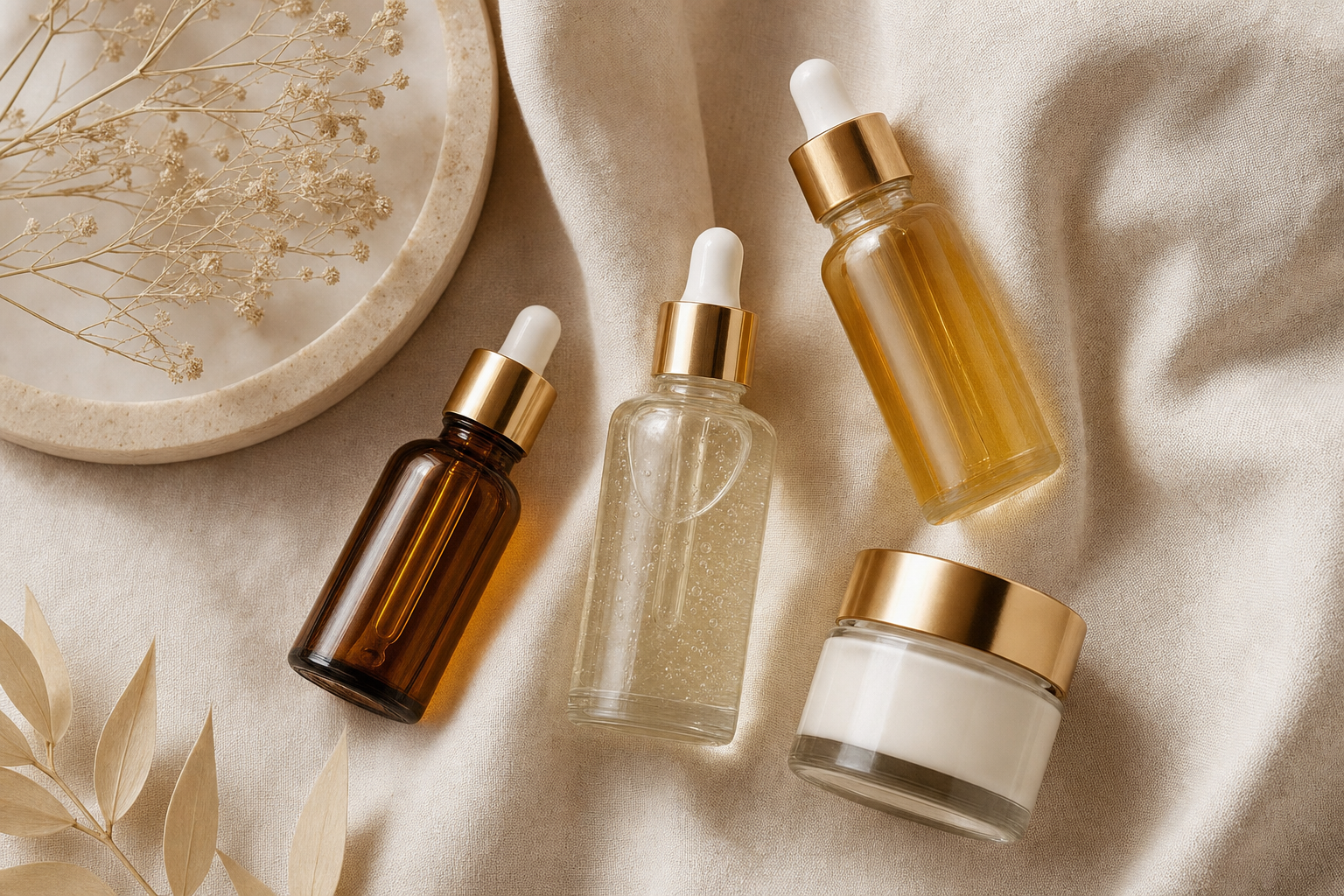
The most effective skin longevity stack is not long. It is precise, evidence-based, and applied with consistency over time.
Niacinamide and the NAD+ connection
Retinoids: the gold standard at the gene expression level
Antioxidants and the free radical defence
Peptides, ceramides, and barrier support
Part Four: The Four Lifestyle Pillars That No Product Can Replace
Skin longevity research consistently identifies four lifestyle factors that influence skin biology in ways that topical products alone cannot address. Including these pillars in the framework is not a wellness cliché. It is a biological requirement.
Nutrition and internal supplementation
The skin is a metabolically active organ that requires consistent nutritional support to maintain its biological functions. Consequently, deficiencies in zinc, vitamin D, iron, omega-3 fatty acids, and antioxidant nutrients are directly linked to accelerated skin aging, impaired barrier function, and increased inflammatory activity. For this reason, internal supplementation becomes a meaningful component of a genuine longevity approach. HUM Nutrition, Life Extension, Ritual, and Organifi all offer formulations that address these nutritional foundations from within. For daily hydration, Fiji Water provides naturally high silica content, a mineral associated with collagen synthesis and connective tissue integrity.
Sleep: the skin’s primary repair window
During deep sleep, skin enters its most active biological repair phase. Specifically, growth hormone release, collagen synthesis, and cellular autophagy, the process by which cells clear damaged and dysfunctional proteins, all peak during slow-wave sleep. A 2024 review in the Journal of Clinical Sleep Medicine confirmed that chronic sleep deficiency accelerates multiple hallmarks of skin aging, including barrier compromise, increased transepidermal water loss, and measurably reduced skin elasticity. Consistent, adequate sleep is therefore not a lifestyle recommendation appended to a skincare routine. Rather, it is a fundamental component of it.
Stress and the cortisol connection
Cortisol, the primary stress hormone, directly degrades collagen, suppresses immune function in the skin, and triggers the inflammatory signalling associated with accelerated biological aging. Chronic stress is therefore not simply a wellbeing concern. Rather, it is a skin longevity concern with a specific, measurable mechanism. Consistent stress management practices, including meditation, breathwork, and structured rest, have documented effects on cortisol regulation and, by extension, on the skin’s biological environment. Headspace and Calm both provide structured approaches to daily stress regulation that support this pillar in a practical and consistent way.
Movement and skin biology
Regular physical activity increases circulation, which delivers oxygen and nutrients to skin cells and supports lymphatic clearance of cellular waste. Moreover, a 2025 study in Ageing Research Reviews confirmed that regular aerobic exercise is associated with measurably younger skin microstructure, including increased dermal thickness and collagen density, compared to sedentary individuals at the same chronological age. Notably, movement has a specific and well-documented effect on the skin biology that the longevity framework aims to preserve. Lululemon and Nike both support the movement pillar as part of Belldiva’s curated wellness portfolio.
Part Five: Building a Skin Longevity Routine
A longevity-oriented routine differs from a conventional anti-aging routine in its priorities. The goal is not to address the visible signs of aging reactively but to maintain the biological conditions that allow skin to function well over time. The following framework is built around that principle.
Your skin longevity routine: morning, evening, and weekly
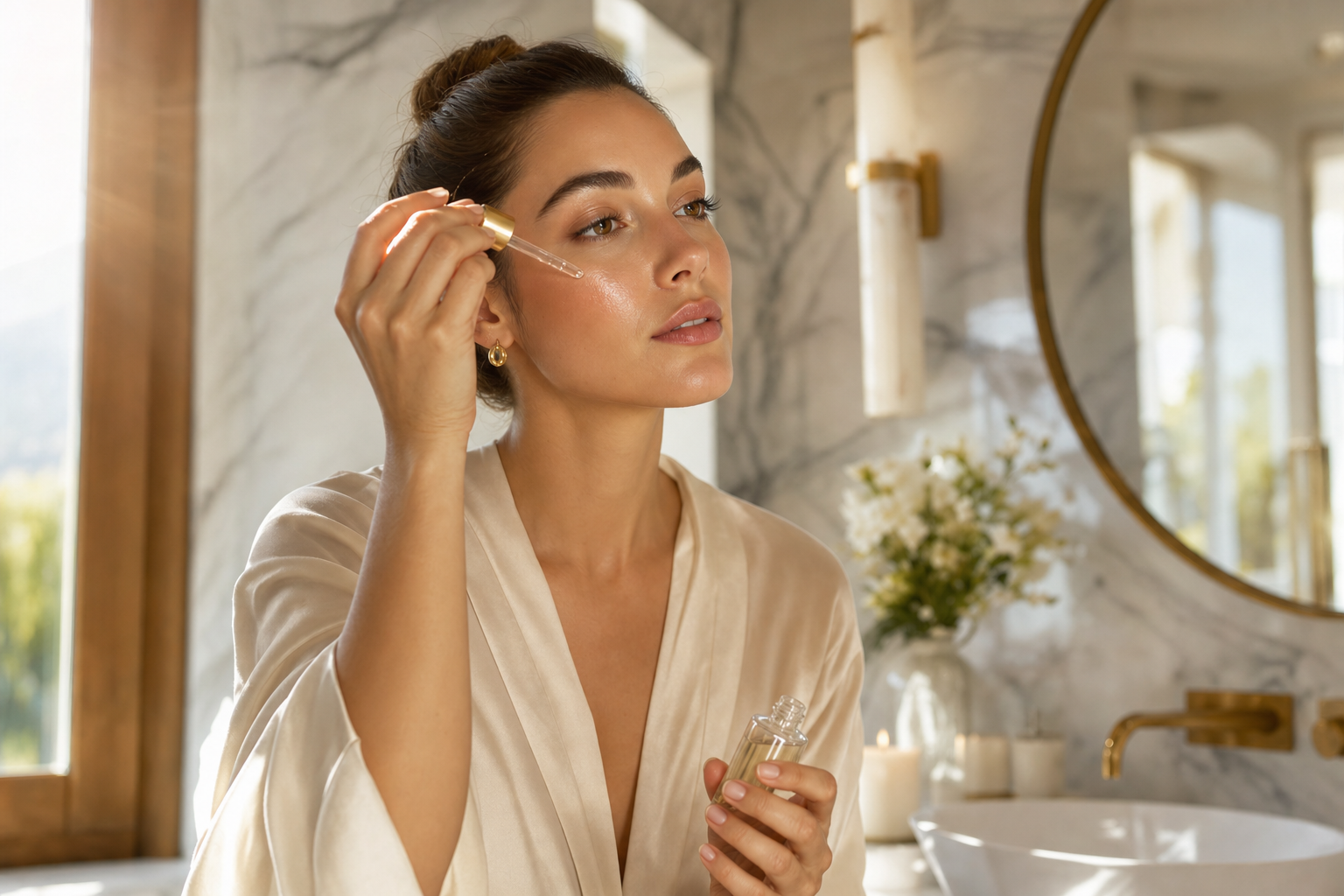
A skin longevity routine does not need to be complicated. It needs to be consistent, ingredient-intelligent, and built around the skin’s actual biological needs.
Every morning: Begin with a gentle, pH-balanced cleanser that preserves barrier integrity. Apply a vitamin C antioxidant serum to neutralise morning oxidative stress. Follow with a niacinamide serum to support NAD+ metabolism and ceramide synthesis. Apply a ceramide-rich moisturiser, then finish with broad-spectrum SPF 50 as the final step.
Most evenings: Double cleanse to remove SPF and environmental residue. Apply a retinoid serum three to four nights per week, depending on your skin’s tolerance. On alternate evenings, apply a peptide serum or a niacinamide formula instead. Finish with a richer ceramide and fatty acid moisturiser to support overnight repair.
Once weekly: Use a gentle chemical exfoliant to clear the accumulated dead cell layer that slows progressively over time. This improves absorption of every product applied afterward. Lactic acid suits sensitive skin; glycolic acid works well for more resilient skin types.
Daily: Adequate hydration, consistent sleep, stress management, and regular movement. These are not optional additions to the routine. They are the systemic conditions under which the topical work produces its best results.
Connecting the routine to the bigger picture
For a deeper look at how this framework applies across different life stages, the Belldiva women’s skincare guide covers the decade-by-decade application of these principles in full. Similarly, for those approaching scalp health as part of a complete longevity strategy, the Belldiva scalp health guide applies the same framework to the skin beneath your hair. Both are available on the Belldiva skincare resource page.
Note to Devin: please verify and update the two post slugs above once confirmed in WordPress.
The most effective longevity routine is not the most complex one. It is the one built around ingredients that work at the cellular level, applied consistently enough to let the science unfold.
Part Six: Your Skin Longevity Questions, Answered
Direct, evidence-based answers to the questions that come up most consistently when people begin approaching skincare through the lens of long-term function rather than short-term correction.
Your skin longevity questions, answered directly
Is skin longevity just anti-aging with a new name?
The language shift reflects a genuine scientific reorientation rather than simply a marketing update. Anti-aging focused primarily on visible appearance and promised reversal of change. Skin longevity, by contrast, focuses on the biological function of the skin, including cellular repair, barrier integrity, and microbiome balance, and aims to preserve and optimise that function over time. The product choices and routine priorities that follow from each framework are genuinely different. Longevity thinking leads toward prevention and cellular support. Anti-aging thinking leads toward correction and surface treatment. Both may use some of the same ingredients, but for different reasons and with different expectations of what success looks like.
Which single ingredient is most aligned with skin longevity?
Niacinamide represents the most direct connection between topical skincare and the cellular longevity framework, because of its role as a NAD+ precursor and its influence on ceramide synthesis, barrier repair, and collagen preservation simultaneously. However, retinoids have the deepest and longest evidence base for meaningful long-term skin health outcomes, and daily broad-spectrum SPF arguably has the greatest cumulative impact of any single measure when applied consistently from the outset. The honest answer is that all three matter, and the strongest result comes from using them together.
How skin type shapes the longevity approach
Does the skin longevity approach apply to all skin types?
Yes. The biological principles are not skin-type specific. Antioxidant protection, barrier support, cellular repair, and microbiome maintenance are relevant for oily, dry, sensitive, and combination skin alike. What varies is not the goal but the specific products chosen to reach it. For instance, oily or congestion-prone skin may benefit from lighter, water-based ceramide formulas. Dry or sensitive skin, by contrast, may require richer occlusives and a more gradual approach to chemical exfoliants. In either case, the longevity framework is the architecture. The product selection is tailored to the individual.
Questions about results and timing
How long before I see results from a skin longevity approach?
Some benefits are visible quickly. For example, antioxidants improve radiance within weeks of consistent morning use. Niacinamide shows barrier improvements within two to four weeks, and the 2024 Bogdanowicz et al. clinical trial in Scientific Reports confirmed measurable improvements in fine lines and skin plumpness at eight weeks of consistent use. Additionally, ceramides reduce transepidermal water loss within days of daily application. The deeper structural changes, however, including improved collagen density, preserved barrier integrity, and reduced cellular senescence, operate over months and years. Longevity is by definition a long game, and consistency is precisely what the framework is built around.
Is it too late to start a skin longevity approach?
No. The biological mechanisms that the longevity framework supports are active throughout life. SPF prevents new UV damage from the very first day of consistent use. In addition, niacinamide improves barrier function within weeks regardless of when it is introduced. Similarly, retinoids improve skin texture and stimulate collagen at any point they are adopted. The 2025 Scientific Reports network meta-analysis confirmed significant retinoid efficacy across a broad range of study participants. As a result, starting a considered, consistent approach at any point still produces meaningful and measurable improvements. The only genuinely missed opportunity, ultimately, is the routine never started at all.
At Belldiva, we believe caring for your skin is one of the most considered and enduring investments you can make. Not because of what the mirror shows today. Because of the foundation you are building for every day that follows.
Sources and research references
Peer-reviewed studies and scientific research
Lopez-Otin C, Blasco MA, Partridge L, Serrano M, Kroemer G. The Hallmarks of Aging. Cell. June 2013. Vol. 153, Issue 6 | Marques C et al. Mechanistic Insights into Multiple Functions of Niacinamide. Antioxidants (Basel). March 2024. PMC11047333 | Lin L, Chen X et al. Comparative efficacy of topical interventions for facial photoaging: a network meta-analysis of randomised controlled trials. Scientific Reports. July 2025 | Bogdanowicz P et al. Senomorphic activity of a combination of niacinamide and hyaluronic acid. Scientific Reports. July 2024 | Shah RR, Larrondo J, Dawson T, McMichael A. Scalp microbiome: a guide to better understanding scalp diseases and treatments. Archives of Dermatology Research. July 2024. PubMed ID 39073596
Global Wellness Institute. Global Wellness Trends Report 2025. globalwellnessinstitute.org | Scragg J. Peptides in scalp and hair care: cellular signalling applications. Cosmetics Design Europe. November 2025 | Cosmoderma. Niacinamide Efficacy in Skin Therapy: A Comprehensive Literature Review. January 2026 | Journal of Investigative Dermatology. Cellular senescence accumulation and the inflammatory secretory profile in aging skin. 2025 | Ageing Research Reviews. Regular aerobic exercise and measurable skin microstructural changes. 2025
The information in this guide is intended for educational purposes and reflects research current to early 2026. It does not constitute medical advice. Please consult a qualified dermatologist or healthcare professional before beginning any new skincare regimen, particularly if you have existing skin conditions or sensitivities.
Affiliate Disclosure: This post contains affiliate links to Elizabeth Arden ✦, Dr. Brandt ✦, and RoC ✦ through our CJ Affiliate programme. If you make a purchase through a marked link, Belldiva may earn a commission at no additional cost to you.
skin longevity
healthy aging skincare
anti-aging vs longevity
skin barrier health
niacinamide benefits
retinol skin science
cellular senescence skin
skin longevity routine
inflammaging
peptides skincare
skin health science
Belldiva skincare
Continue your skin longevity journey with Belldiva
Rooted in Care. Refined in You.
Explore Belldiva’s Curated Skincare Collection
Over 70 luxury brands in beauty, skincare, hair, and wellness. Every brand chosen for genuine excellence and real results.
Luxury Beyond Boundaries • Rooted in Care, Refined in You
Belldiva’s Curated Beauty and Wellness Brands
All 70 Brands on Belldiva
Huda Beauty
Charlotte Tilbury
Sephora
MAC
Dior
Katini Skin
Ultra Violette
NYX Cosmetics
The Ordinary
Verb Products
BK Beauty
Prada Beauty
Estée Lauder
Vasanti Cosmetics
Brickell
Lumin
Blu Atlas
Liomen
Jaxon Lane
Beardbrand
Scotch Porter
Bevel
Menfirst
Atlas
SkinCeuticals
Lululemon
Mindful
Headspace
Calm
Fitbit
MyFitnessPal
Noom
Peloton App
Organifi
Ritual
HUM Nutrition
Nike
YSL (Saint Laurent Beauty)
Lancôme
Clinique
NARS
Elizabeth Arden ✦
Victoria Beckham Beauty
Make Up For Ever
Valentino Beauty
Bobbi Brown
Shiseido
Benefit Cosmetics
Smashbox
Kylie Cosmetics
Urban Decay
Sigma Beauty
Stila ✦
Clarins
Tarte Cosmetics
PUR Cosmetics
Glossier
Elemis London
Kiehl’s
Murad
Paula’s Choice
Viori Beauty ✦
Life Extension
Lumen
Fiji Water
Anastasia Beverly Hills
Serious Skincare
Qure Skincare
Armani Beauty
Dr. Brandt ✦
✦ Affiliate partnership — commission may be earned on purchases made through these links at no additional cost to you.