Belldiva
Luxury Beyond Boundaries • Rooted in Care, Refined in You
Your Scalp Is Skin Too: The Complete Guide to Scalp Health and Why It Finally Matters
What is actually happening on your scalp, why the old approach to hair care was never enough, and how to build a scalp health routine that your hair will thank you for.
Hair Care
Microbiome
Women Over 40
Skinification
Ingredients
By Belldiva Editorial • 2026 • 15–18 min read
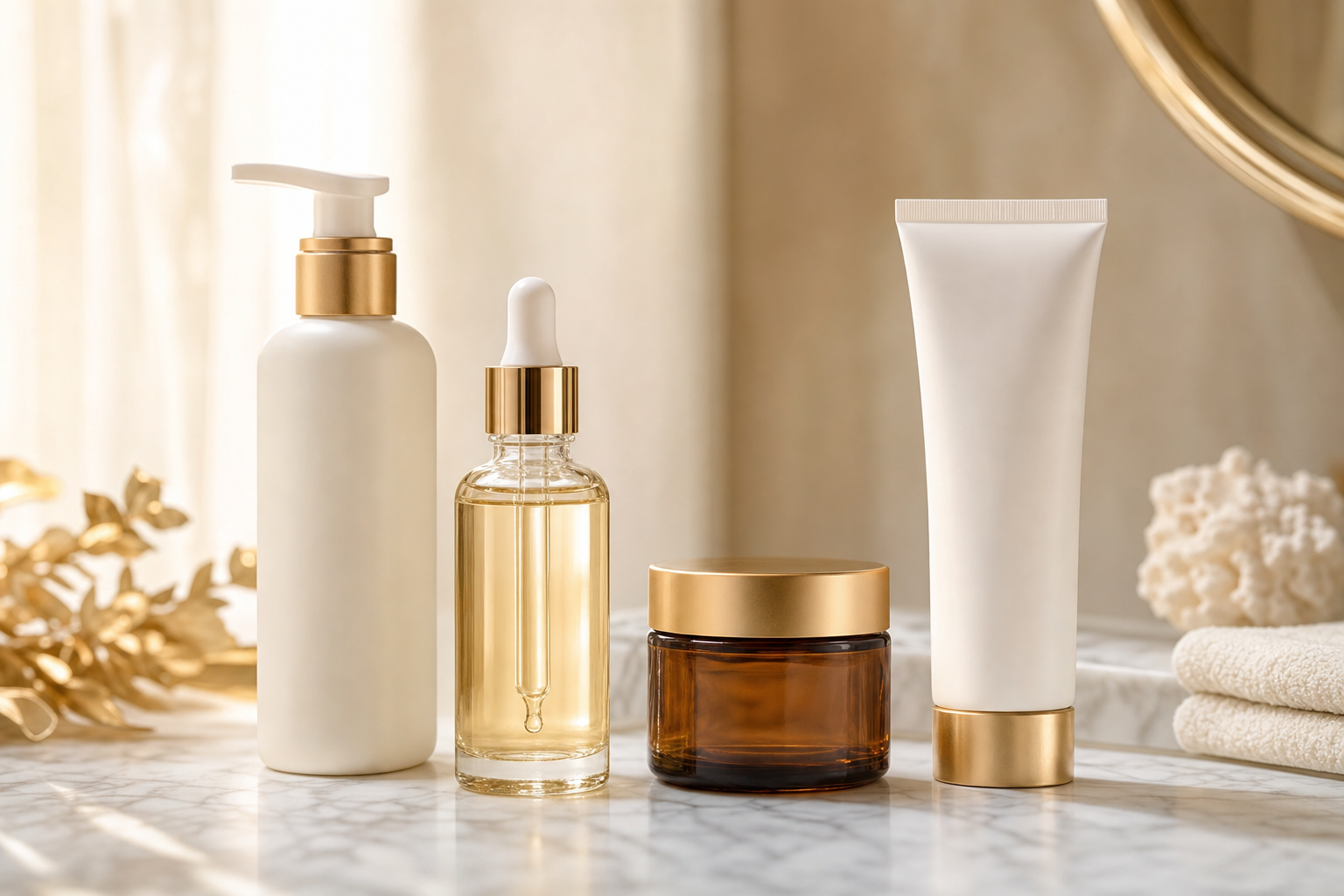
Your scalp is the foundation your hair grows from. Everything that shows up in the mirror begins beneath the surface, and a consistent scalp health routine is where real change starts.
The conversation has finally changed
For most of us, hair care has always started and ended at the strand. We chose shampoos for shine, conditioners for smoothness, and treatments for breakage. Reaching for what worked on the lengths, we almost never thought about the skin underneath. Yet a scalp health routine, one that treats the scalp with the same intention and ingredient intelligence we bring to our faces, is what dermatologists and trichologists have been advocating for years. Fortunately, the beauty industry has finally caught up, and the science behind it is worth understanding.
The scalp is not a separate category of skin. It is skin, dense with sebaceous glands, hair follicles, nerves, and its own distinct microbial community. A 2025 study published in PMC (PMC12843290) confirmed that the scalp constitutes a distinct cutaneous niche whose microbial balance is shaped by sebum levels, barrier sensitivity, and lifestyle factors. When that balance is disrupted, however, the consequences show up not only as an itchy or flaky scalp, but also as dullness, thinning, and compromised hair growth over time. Simply put, the strand is the outcome — and the scalp is the entire system behind it.
This guide covers the biology of what is actually happening on your scalp, the common concerns that affect women and men in their 40s and 50s most significantly, the clinically supported ingredients that make a genuine difference, and exactly how to build a scalp care routine that works. All sources are from peer-reviewed research published between 2023 and 2026.
What this guide covers
You will find the current science behind scalp anatomy and the microbiome, a breakdown of what goes wrong and why, the skinification movement explained through an evidence lens, a complete ingredient guide with clinical context, a practical scalp care routine you can start this week, and answers to the questions that come up most often. This is the complete picture, written for real people who want results they can actually see and feel.
The strand is simply the outcome. The scalp is the system. When we begin caring for the system, everything that grows from it changes.
Year-over-year growth in North American scalp care sales, H1 2025 (Circana)
Of women show visible signs of hair thinning by age 50 (Cosmetics Design Europe, 2025)
Global hair and scalp care market value in 2024, growing at 6.4% annually (ResearchAndMarkets, 2025)
Part One: The Science Behind Your Scalp
Understanding what the scalp actually is, and what lives on it, is the essential starting point for any scalp health routine that delivers real results.
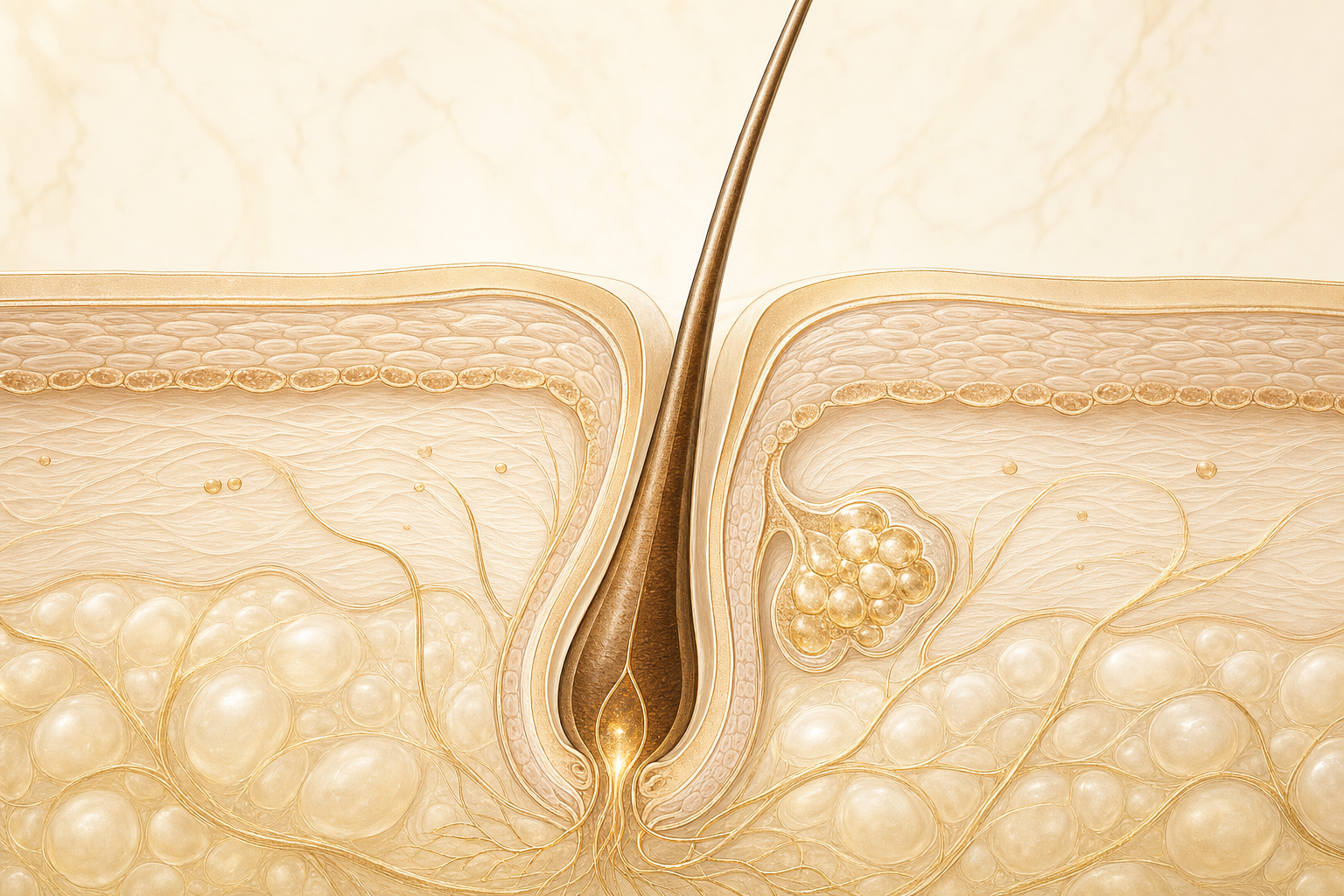
The scalp is among the most biologically active areas of skin on the body, with a higher density of hair follicles and sebaceous glands than almost anywhere else.
Your scalp: the most active skin on your body
To begin with, the scalp is home to approximately 100,000 hair follicles and contains four to five times more sebaceous glands per square centimetre than the skin on your face. Running at a higher temperature than most other skin surfaces, it creates a particularly active metabolic environment. The scalp also hosts its own microbiome: a community of bacteria, fungi, and other microorganisms that, when balanced, maintain the scalp’s homeostasis and protect it from environmental aggressors.
Specifically, a 2024 review published in Archives of Dermatology Research by Shah, Larrondo, Dawson, and McMichael confirmed that the scalp microbiome is essential for maintaining scalp homeostasis, and that microbial dysregulation has been directly linked to dermatological conditions including alopecia areata, seborrheic dermatitis, and dandruff. The review drew on research from Rutgers New Jersey Medical School, Wake Forest School of Medicine, and A*STAR Skin Research Labs in Singapore, representing some of the most current and credible research on the topic.
The scalp microbiome: your invisible protective community
The three primary microbial genera that inhabit the scalp are Cutibacterium, Staphylococcus, and Malassezia. In a healthy scalp, these coexist in balance: Cutibacterium tends to dominate on a healthy scalp and is associated with normal sebum metabolism, while Malassezia, a naturally present yeast, remains at manageable levels. The 2025 PMC study (PMC12843290), which analysed scalp microbiome composition in women and examined associations with scalp type, sensitivity, and lifestyle, found that sensitivity emerged as one of the more influential dimensions of microbial variation. In other words, how reactive your scalp is to products and environment directly affects the microbial community living on it.
When Malassezia overgrows, often triggered by excess sebum, it generates fatty acids that irritate the scalp and trigger the rapid skin cell turnover that produces flaking. This is the biological mechanism behind dandruff. Contrary to popular belief, this condition is not caused by poor hygiene. Rather, it is a microbiome imbalance, and it responds to approaches that restore balance rather than simply strip the scalp clean.
The role of scalp pH and the skin barrier
A healthy scalp, like healthy facial skin, maintains a slightly acidic pH of 4.5 to 5.5. This acidity is not incidental. It is a biological defence mechanism that supports beneficial microorganisms while suppressing pathogenic ones. When that pH is disturbed by alkaline products, over-washing, or harsh surfactants, the barrier becomes compromised and inflammation increases. The 2025 PMC review on scalp biology confirmed that sebum level, barrier sensitivity, and lifestyle factors all jointly shape the microbial community, with sensitivity having a particularly significant influence on overall scalp health outcomes.
In addition, the scalp has a skin barrier function that, like the facial barrier, can be strengthened or depleted depending on the products used and the habits maintained. Cleansing with high-pH bar soaps or sulphate-heavy shampoos strips this barrier, leaving the scalp vulnerable to irritation, dryness, and the kind of compensatory sebum overproduction that makes oily scalps worse, not better.
Part Two: What Goes Wrong and Why
Most scalp concerns share a common root cause: disruption of the natural balance between sebum, barrier function, and microbial equilibrium. Here is what that disruption looks like, and why hormones play a larger role than most people realize.
Hormones, sebum, and your scalp after 40
If your scalp has changed in the last few years and nothing in your routine has, the most likely explanation is hormonal. Understanding the hormonal dimension is therefore essential to choosing the right approach. As estrogen declines during perimenopause and menopause, and as androgens become proportionally more dominant, sebaceous gland activity shifts. For some women, this means an oilier scalp and more frequent breakouts around the hairline. Others experience a drier scalp, increased sensitivity, and the beginning of noticeable hair thinning.
The mechanism, moreover, is specific. Androgens, particularly dihydrotestosterone (DHT), bind to receptors in the hair follicle and gradually shorten the anagen (growth) phase of the hair cycle. Over time, this causes follicles to produce finer, shorter strands before eventually becoming dormant. Notably, a 2025 clinical study registered with the Clinical Trials Registry of India (CTRI/2024/07/071115) and involving 90 participants aged 18 to 55 confirmed that androgenetic alopecia involves a complex interplay of genetic predisposition, androgen regulation including DHT activity, and follicular microenvironment signalling pathways. Understanding this is important: hair thinning is not a cosmetic inconvenience. It is a biological process, and it responds to biological intervention.
How the cycle compounds: inflammation, sebum, and Malassezia
Excess androgens can also alter the composition of sebum, making it more prone to oxidation. This oxidised sebum triggers inflammation and further damages follicles, and it additionally creates an ideal environment for Malassezia overgrowth, which compounds irritation and flaking. It is a cycle, and interrupting it requires addressing both the scalp environment and the inflammatory response simultaneously.
The four most common scalp concerns
Part Three: The Skinification of Scalp Care
The most significant shift in hair care in a generation is the recognition that the scalp responds to the same science-backed actives that transformed facial skincare. Here is what that means in practice.
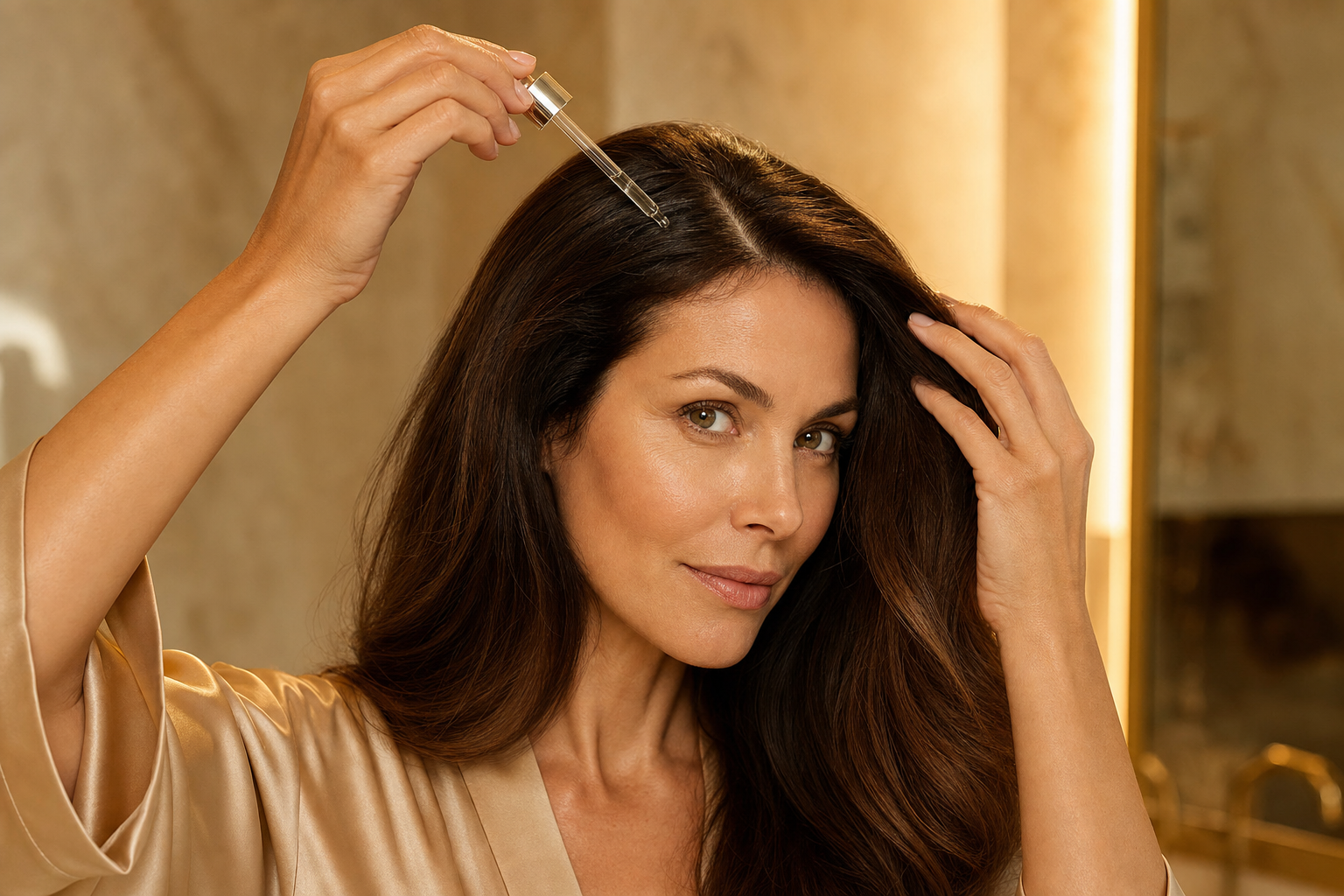
The scalp serum is the newest and most effective addition to a modern scalp care routine. Applied directly to the scalp, it delivers actives exactly where they are needed most.
Why this movement is not just a trend
Indeed, the North America Hair Care Market was valued at $23.67 billion in 2024 and is projected to reach $40.01 billion by 2030, with scalp care among the fastest-growing segments (ResearchAndMarkets, 2025). More meaningfully, Circana data from the first half of 2025 showed the scalp care category growing at 19 percent year-over-year, significantly outpacing broader hair care. That growth is being driven by something real: consumers who have experienced genuine results from treating their scalp the way dermatologists recommended decades ago.
The Hair Society described this shift with clarity in their 2026 review: hair does not start with the strand. It starts with the skin. Specifically, what is now called the skinification of hair care refers to the integration of clinically active skincare ingredients into scalp-focused formulations: niacinamide, salicylic acid, hyaluronic acid, ceramides, and peptides, each with documented mechanisms of action in scalp health. This is not cosmetic rebranding. These ingredients work, and there is peer-reviewed evidence to explain why.
From skincare shelf to scalp: why the crossover works
The reason skincare actives translate so effectively to the scalp is, in fact, biological. The scalp shares the same basic skin architecture as the face: a stratum corneum, a living epidermis, a dermis with collagen and elastin, and an underlying layer of subcutaneous tissue. Consequently, ingredients that strengthen the facial barrier, regulate sebum, and reduce inflammation do the same on the scalp. The delivery method changes slightly, but the mechanism of action does not. This is precisely why dermatologists have been recommending scalp-targeted actives for decades, long before the beauty industry caught up.
The key ingredients for a scalp health routine
Peptides, ceramides, and microbiome support
Part Four: How to Build Your Scalp Health Routine
A scalp health routine does not need to be complicated. What it does need is consistency, the right products for your scalp type, and a clear understanding of what each step is doing and why.
Step one: know your scalp type
Before choosing products, therefore, identify your primary scalp concern. An oily scalp that becomes greasy within a day of washing has different needs than a tight, flaky, sensitive scalp that feels uncomfortable in dry weather. Many people have a combination: oily at the roots and dry or sensitive at the perimeter. Your routine should address the scalp first, then the lengths separately, because what works for one may actively harm the other.
Step two: choose the right cleanser
The cleanser is the foundation. Choose a sulphate-free, pH-balanced formula for your scalp type. For oily or congested scalps, look for salicylic acid or zinc pyrithione as secondary actives. Those with dry or sensitive scalps will benefit most from soothing botanicals and ceramide-containing formulas. Verb Products offers scalp-specific cleansing formulas that balance efficacy with gentleness. Wash frequency matters too: over-washing strips the barrier and triggers compensatory sebum production, while under-washing allows buildup to accumulate at the follicle. Two to three times per week is appropriate for most scalp types, though this varies significantly by individual.
Wash days (2-3 times per week): Begin with a sulphate-free, pH-balanced scalp shampoo. Massage the scalp gently for 60 seconds to stimulate circulation and emulsify buildup before rinsing. Follow with a conditioner applied only to the mid-lengths and ends. Never apply conditioner directly to the scalp.
Post-wash serum (every wash day): While the scalp is still slightly damp, apply a scalp serum containing niacinamide, hyaluronic acid, or peptides directly to the scalp in sections. Do not rinse. This is the most impactful step for long-term scalp health.
Weekly exfoliation (once per week): Use a salicylic acid scalp scrub or exfoliating scalp serum before shampooing. Apply to dry or dampened hair, section by section, work into the scalp gently, and leave for five to ten minutes before washing out. This keeps follicles clear and improves product absorption.
Between washes: Avoid touching the scalp unnecessarily. If dryness or tightness occurs, a few drops of a lightweight scalp oil or a targeted niacinamide mist can soothe without building up. Brush from root to tip gently each morning to distribute natural oils and stimulate circulation.
The role of nutrition and internal support
Ultimately, no topical routine can fully compensate for what the body is not receiving internally. Hair follicles are among the most metabolically demanding structures in the body and require an adequate and consistent supply of biotin, zinc, iron, vitamin D, and omega-3 fatty acids to sustain the growth cycle. Deficiencies in any of these nutrients are directly linked to increased shedding and reduced hair density. HUM Nutrition, Life Extension, Ritual, and Organifi all offer formulations that support hair health from within. Hydration also matters significantly: Fiji Water, with its naturally high silica content, is a simple and consistent way to support skin and scalp health from the inside out.
Part Five: Common Questions About Scalp Health
Direct, evidence-based answers to the questions that come up most often when people begin taking their scalp health seriously.
Questions about timelines, products, and professional care
How is scalp care different from regular hair care?
Conventional hair care focuses on the strand: its texture, shine, and manageability. Instead, scalp care focuses on the skin that produces the strand: its pH, microbiome balance, follicular health, and barrier function. Ultimately, the two are related but separate disciplines, and a strand-focused routine alone will never resolve a scalp-level concern. You need both, addressed with the right products for each.
Can I use the same products on my scalp as on my face?
Some actives translate well, particularly niacinamide and hyaluronic acid serums. However, the scalp has a higher density of sebaceous glands and hair follicles than facial skin, which means it tolerates some ingredients differently. In particular, heavy facial moisturisers and most facial oils will cause buildup at the follicle and should not be applied directly to the scalp. Use products specifically formulated for scalp application wherever possible, and check that any facial actives you apply are lightweight and water-based.
My scalp is oily but also flaky. What is happening?
This is one of the most common scalp presentations and is usually a sign of seborrheic dermatitis, where excess sebum creates an environment for Malassezia overgrowth, leading to the rapid skin cell turnover that causes flaking. In fact, it is not dry scalp. The treatment approach is different: focus on rebalancing rather than moisturising, using actives such as niacinamide, zinc, and targeted antifungal ingredients. In contrast, stripping the scalp further with harsh shampoos will make both the oiliness and the flaking worse.
Questions about results, timelines, and when to seek professional advice
How long before I see results from a scalp care routine?
For scalp conditions like dryness, sensitivity, and dandruff, meaningful improvement typically appears within two to four weeks of consistent care. Hair density and thickness, however, depend on the full hair growth cycle, so expect to wait three to six months before evaluating results. The scalp growth cycle is slow, and it rewards patience and consistency more than anything else. Consequently, do not change your entire routine after two weeks because you are not yet seeing new hair. Give the system time to respond.
When should I see a dermatologist about my scalp?
If you notice sudden or significant shedding, visible patches of hair loss, persistent redness or pain on the scalp, or symptoms that do not respond to a consistent scalp care routine after three months, see a dermatologist or trichologist. Some conditions, including alopecia areata, lichen planopilaris, and central centrifugal cicatricial alopecia, require medical treatment and diagnosis. A dermatologist can also prescribe prescription-grade minoxidil or refer you for PRP or other regenerative therapies if appropriate for your situation.
At Belldiva, we believe that caring for your scalp is one of the most forward-thinking investments you can make in how you look and feel. It begins with the skin you cannot see, and shows up beautifully in everything you can.
Sources and research references
Peer-reviewed studies and clinical research
Shah RR, Larrondo J, Dawson T, McMichael A. Scalp microbiome: a guide to better understanding scalp diseases and treatments. Archives of Dermatology Research. July 2024. PubMed ID 39073596 | PMC12843290. Scalp Microbiome Composition in Young Women: Associations with Scalp Type, Sensitivity, and Lifestyle Factors. 2025 | Patel MN, Tuli N et al. Rosmagain as a Natural Therapeutic for Hair Regrowth and Scalp Health: A Double-Blind, Randomized Clinical Trial. Cureus. June 2025. PMC12256010 | PMC12256380. Scalp Microbiome Dynamics and Antiseborrheic Dermatitis Shampoo: A Randomized Controlled Study. 2025 | Marques C et al. Mechanistic Insights into Multiple Functions of Niacinamide. Antioxidants (Basel). March 2024. PMC11047333.
ResearchAndMarkets. North America Hair Care Market, Competition and Forecasts, 2025-2030. June 2025 | Circana via Modern Retail. Scalp Category Growth Data, H1 2025. January 2026 | The Hair Society. The Skinification of Hair. February 2026. thehairsociety.org | Scragg J. Scalp care innovation: why preventative treatments are booming. Cosmetics Design Europe. November 2025 | Unilever. The Skinification of Scalp Care: Unilever’s Expertise Delivers on Demand. December 2025. unilever.com
The information in this guide is intended for educational purposes and reflects research current to early 2026. It does not constitute medical advice. If you are experiencing significant hair loss, persistent scalp irritation, or symptoms that are not responding to a consistent scalp care routine, please consult a qualified dermatologist or trichologist before making changes to your regimen.
scalp health routine
scalp care
scalp microbiome
skinification
hair thinning women over 40
niacinamide scalp
scalp health ingredients
haircare
dandruff treatment
hair loss prevention
Belldiva haircare
Rooted in Care. Refined in You.
Explore Belldiva’s Curated Haircare Collection
Over 70 luxury brands in beauty, skincare, hair, and wellness. Every brand chosen for genuine excellence and real results.
Luxury Beyond Boundaries • Rooted in Care, Refined in You
Belldiva’s Curated Beauty and Wellness Brands
All 70 Brands on Belldiva
Huda Beauty
Charlotte Tilbury
Sephora
MAC
Dior
Katini Skin
Ultra Violette
NYX Cosmetics
The Ordinary
Verb Products
BK Beauty
Prada Beauty
Estée Lauder
Vasanti Cosmetics
Brickell
Lumin
Blu Atlas
Liomen
Jaxon Lane
Beardbrand
Scotch Porter
Bevel
Menfirst
Atlas
SkinCeuticals
Lululemon
Mindful
Headspace
Calm
Fitbit
MyFitnessPal
Noom
Peloton App
Organifi
Ritual
HUM Nutrition
Nike
YSL (Saint Laurent Beauty)
Lancôme
Clinique
NARS
Elizabeth Arden
Victoria Beckham Beauty
Make Up For Ever
Valentino Beauty
Bobbi Brown
Shiseido
Benefit Cosmetics
Smashbox
Kylie Cosmetics
Urban Decay
Sigma Beauty
Stila
Clarins
Tarte Cosmetics
PUR Cosmetics
Glossier
Elemis London
Kiehl’s
Murad
Paula’s Choice
Viori Beauty
Life Extension
Lumen
Fiji Water
Anastasia Beverly Hills
Serious Skincare
Qure Skincare
Armani Beauty