Beta-Glucan for Skin: The Barrier-Repair Ingredient That Has Earned Its Moment
What beta-glucan actually is, why it has decades of clinical research behind it, and how to use it for barrier repair, hydration, and lasting skin calm.
Barrier Repair
Hydration
Sensitive Skin
Men & Women
By Belldiva Editorial • June 2026 • 11–13 min read
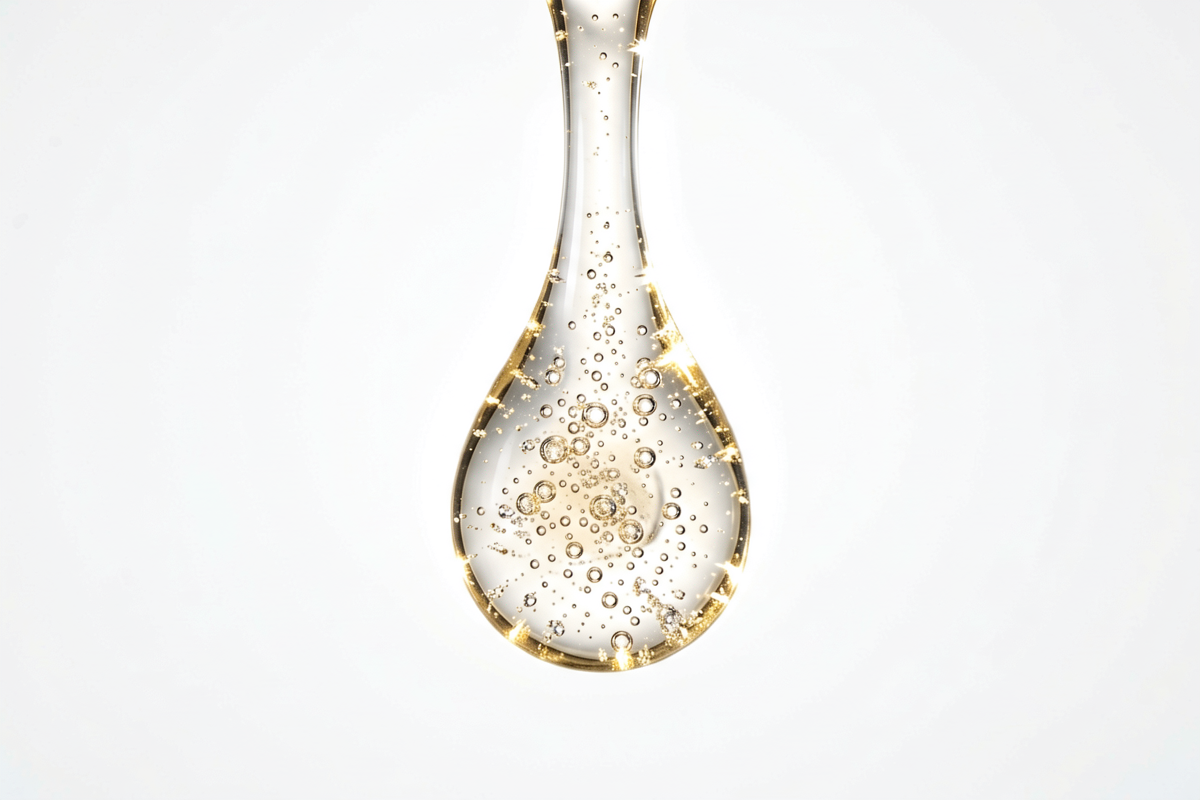
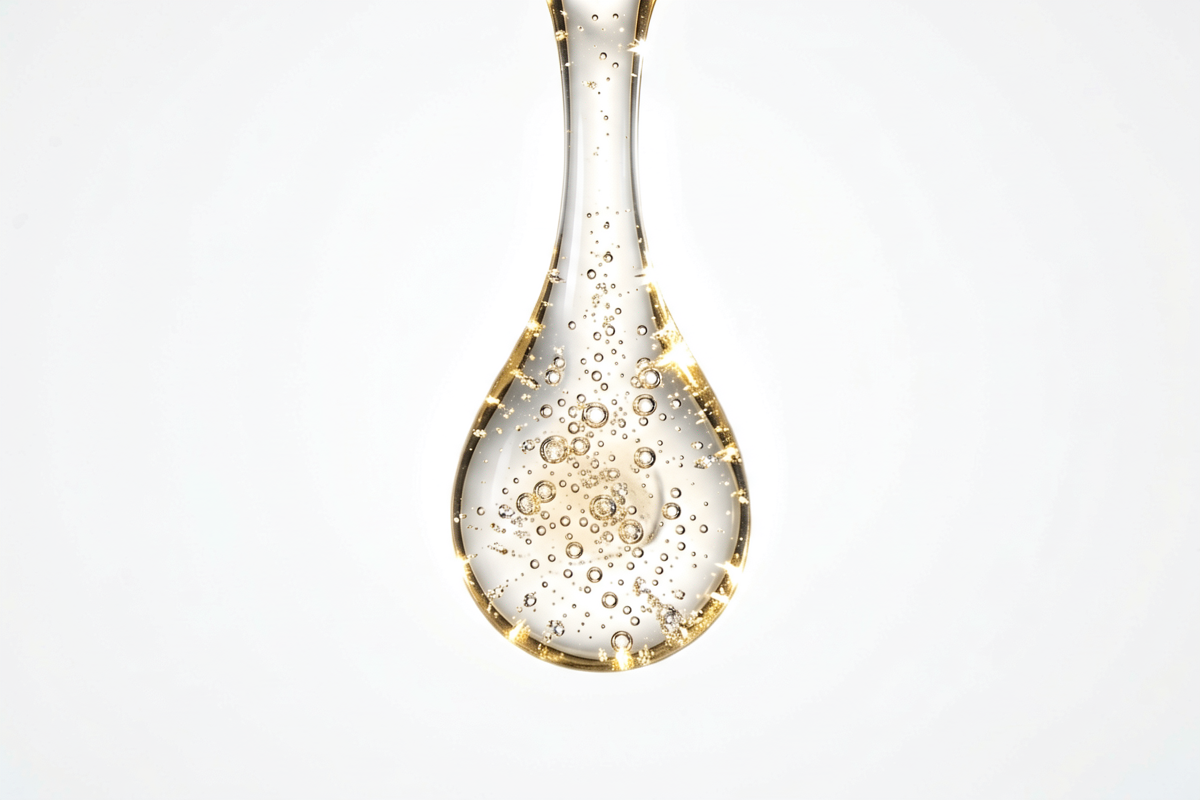
Beta-glucan has been studied in clinical settings since the 1980s. It is only now finding its rightful place in everyday skincare routines.
Some ingredients arrive in skincare fully formed, backed by decades of science that was simply waiting for the right moment. Beta-glucan for skin is one of them. Unlike many ingredients that entered dermatology through cosmetic marketing, beta-glucan came from wound care and medical research, where it had already spent decades demonstrating a consistent ability to support skin repair, reduce surface inflammation, and hold moisture more effectively than many better-known alternatives. This guide covers what beta-glucan actually is, how it works in the skin, what the clinical evidence confirms, and how to build it into a routine alongside the barrier repair principles covered in yesterday’s post. All sources are from peer-reviewed research published between 2023 and 2026.
What beta-glucan actually is
Before understanding what it does for skin, it helps to know where it comes from and why it was being studied long before skincare brands discovered it.
The origin: oats, mushrooms, and medical research
Beta-glucan is a naturally occurring sugar molecule found in the cell walls of oats, barley, certain mushrooms including reishi and shiitake, and some yeasts and bacteria. It is a polysaccharide, meaning it is made up of long chains of glucose units linked together in a specific arrangement. This structure is what gives beta-glucan its biological activity: the particular way these glucose chains are bonded determines how the skin’s own receptors respond to the molecule. In skincare, the most studied form is oat-derived beta-glucan, known scientifically as beta-1,3/1,4-glucan. Research into its skin applications began in earnest in the late 1980s following observations in wound care settings, where topical application consistently supported faster tissue repair and reduced inflammatory responses at wound sites.
How beta-glucan differs from other hydrating ingredients
Most people first encounter beta-glucan in the context of hydration, where it is frequently compared to hyaluronic acid. Both draw and hold water at the skin surface, but they work through different mechanisms and at different molecular scales. Hyaluronic acid holds water through a process called moisture binding: the molecule attracts and surrounds water molecules, creating a reservoir at the skin surface. Beta-glucan works partly through this same mechanism but also forms a flexible film on the skin that reduces water loss by creating a physical barrier over the stratum corneum. A 2024 study published in the International Journal of Cosmetic Science found that high-molecular-weight beta-glucan outperformed hyaluronic acid in sustained hydration over a 24-hour period, retaining moisture for longer with fewer applications. This makes it particularly well suited to compromised or sensitive skin that cannot tolerate layered routine steps.
Decade in which beta-glucan first appeared in peer-reviewed wound care research
Sustained hydration shown in 2024 comparison with hyaluronic acid (IJCS, 2024)
Of adults now taking a long-term preventative approach to skincare (Boots Wellness Report, 2026)

Oat-derived beta-glucan is the most studied form for topical skincare use. Its effectiveness comes from the specific way its glucose chains are structured at the molecular level.
What beta-glucan does for skin: the four documented benefits
Beta-glucan is not a single-benefit ingredient. The clinical evidence covers four distinct mechanisms, all of which are relevant to barrier health.
Deep, sustained hydration
Beta-glucan draws water from the environment and holds it at the skin surface through a combination of moisture binding and physical film formation. Its high-molecular-weight form stays at the surface, reducing water loss and keeping the stratum corneum plump and resilient throughout the day. This is particularly useful for skin in active barrier repair, where retaining surface moisture supports the lipid rebuilding process happening underneath. It works alongside ceramide formulations from brands like The Ordinary and Kiehl’s to create a layered hydration approach that addresses both the lipid matrix and the surface moisture level.
Skin barrier support
Beyond surface hydration, beta-glucan supports the barrier’s own structural repair mechanisms. Studies have shown it activates specific receptors in skin cells called dectin-1 receptors, which play a role in regulating the barrier’s protective responses. By activating these receptors, beta-glucan supports the production of proteins that maintain the skin’s structural integrity. A 2025 review in Skin Pharmacology and Physiology confirmed that regular topical application of beta-glucan produced measurable improvements in barrier function markers, including reduced water loss and improved skin elasticity, within six weeks. This connects directly to the skin barrier repair approach covered in the Belldiva guide published yesterday.
Calming and anti-redness effects
Beta-glucan has a well-documented ability to reduce surface redness and calm reactive skin. It does this not by suppressing the skin’s immune response entirely, but by regulating it: keeping the inflammatory signal proportionate to the actual level of stress rather than allowing it to escalate. This is a meaningful distinction for people managing rosacea, eczema, or post-procedure sensitivity, where the goal is not to silence the immune system but to keep it from overreacting. Multiple 2024 clinical trials found that beta-glucan reduced visible redness and self-reported sensitivity scores within four weeks of twice-daily use. Brands like Elemis London and Clarins incorporate oat-derived beta-glucan in their sensitive skin and barrier care ranges for exactly this reason.
Collagen support and antioxidant activity
Beyond barrier and hydration functions, beta-glucan has shown antioxidant properties in cell-level studies, helping to neutralise the free radicals that break down collagen and accelerate visible ageing. A 2024 paper in the Journal of Dermatological Science found that beta-glucan stimulated collagen production in skin fibroblasts, the cells responsible for building the skin’s structural scaffold. When used alongside a vitamin C serum in the morning, the two ingredients work through different but complementary pathways: vitamin C provides the cofactor needed for collagen synthesis while beta-glucan supports the cellular environment in which that synthesis takes place. Together, they represent a strong morning pairing for anyone focused on long-term skin resilience.
Beta-glucan is not a trend ingredient. It is a clinical one that skincare is only now catching up to.
Beta-glucan versus hyaluronic acid: which should you choose
This is the comparison most people land on first. The honest answer is that these ingredients do not compete so much as complement.
Where they overlap and where they differ
Both beta-glucan and hyaluronic acid are moisture-drawing ingredients that work best applied to damp skin. Both are well tolerated across skin types and are gentle enough for use during a barrier repair phase. However, their molecular behaviour at the skin surface is different. Hyaluronic acid is highly water-attracting and works quickly to plump the skin surface, but it can increase water loss in very dry or low-humidity environments if not sealed with a moisturiser. Beta-glucan, because of the physical film it forms, is more self-contained: it draws and holds moisture without relying as heavily on the surrounding environment to supply it. This makes beta-glucan particularly effective in cold or dry climates, on very reactive skin, and for anyone who finds layered serums overwhelming during recovery.
Using both together
For most people, the best approach is to use both rather than choosing between them. Apply a hyaluronic acid serum first to damp skin, then layer a beta-glucan serum or a moisturiser containing beta-glucan on top. The hyaluronic acid draws moisture into the skin cells while the beta-glucan locks it in from above and supports the barrier function simultaneously. Brands like SkinCeuticals and Paula’s Choice both offer formulations that pair these two ingredients within the same product, which reduces the number of steps needed and suits those building a simpler, more consistent routine.
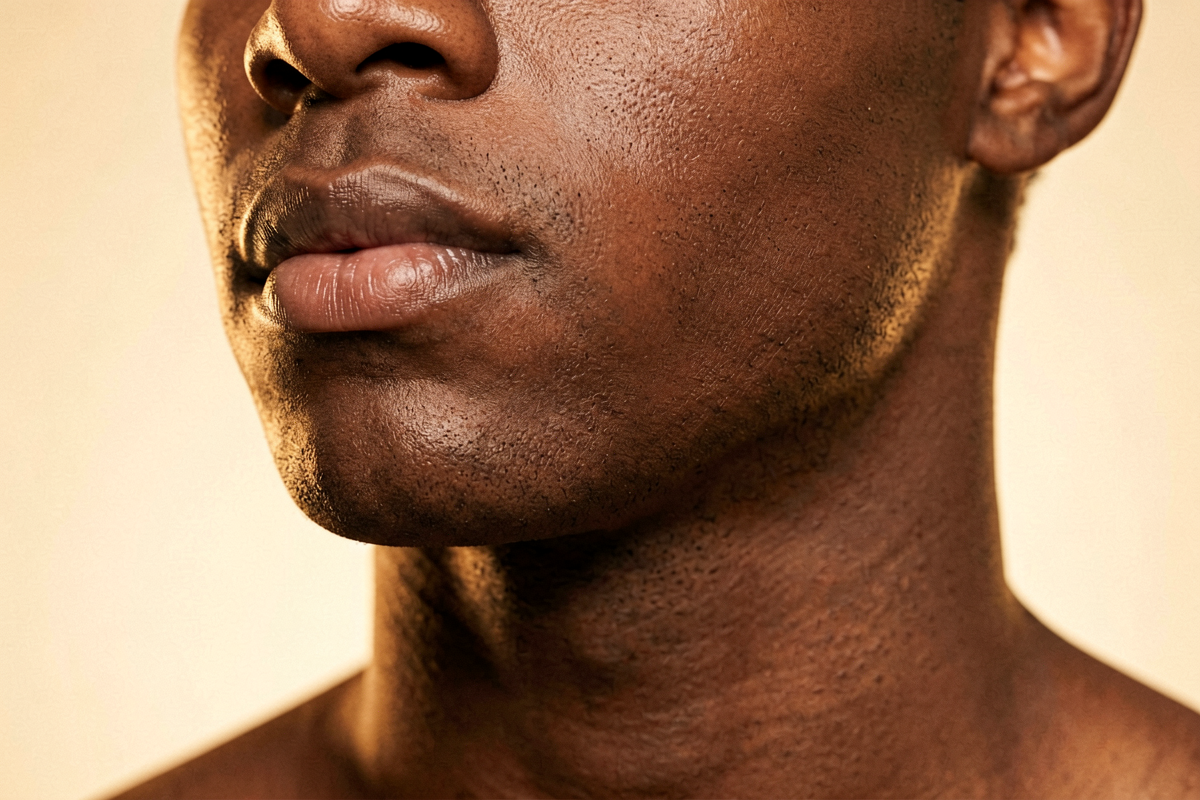
Beta-glucan and hyaluronic acid are most effective used together, applied in sequence to damp skin before a ceramide moisturiser.
Who benefits most from beta-glucan for skin
Beta-glucan is one of the most broadly tolerated ingredients in skincare. That said, certain skin situations benefit from it more than others.
Sensitive and reactive skin
For anyone whose skin reacts unpredictably to new products, beta-glucan is one of the safest starting points. It does not contain common irritants, does not disrupt the skin’s pH, and its calming action means it often reduces the reactivity that makes introducing other ingredients difficult. Starting with a beta-glucan serum or moisturiser gives the barrier time to stabilise before gradually reintroducing actives. This is the approach most compatible with the skin cycling model, where recovery nights focus entirely on gentle support rather than active treatment.
Skin in an active repair phase
Whether the compromise comes from over-exfoliation, a harsh cleanser, a new active that did not agree, or an environmental trigger, a skin barrier in active repair needs ingredients that support recovery without adding any stress. Beta-glucan fits this requirement precisely. It provides meaningful hydration and barrier support without the risk of further disruption. Used alongside ceramides and panthenol, it forms part of a stripped-back recovery routine that addresses all three components of barrier health: lipids, moisture retention, and surface calm. Murad and Dr. Brandt ✦ both carry barrier-focused formulations suited to this phase.
Men’s skin and the shaving barrier
Daily shaving creates a recurring disruption zone along the jaw and neck. Each pass of a razor physically removes part of the stratum corneum, creating a localised barrier compromise that, without targeted support, accumulates over time into chronic redness, sensitivity, and uneven texture in that area. Beta-glucan addresses this directly: its calming properties reduce post-shave redness, its moisture-locking film protects the disrupted surface, and its barrier support functions help the skin rebuild between shaves. Men’s skincare brands including Brickell, Lumin, and Jaxon Lane are increasingly formulating post-shave and daily moisturisers with beta-glucan for exactly this reason.
The best barrier repair routines work by removing stress and adding support. Beta-glucan does both at once.
How to add beta-glucan to your routine
Beta-glucan is one of the few ingredients that works in both morning and evening routines without any adjustment for time of day.
Where it sits in the routine order
Beta-glucan as a standalone serum sits after cleansing and before your moisturiser. Apply it to damp skin for best results. If you also use a hyaluronic acid serum, apply that first since it is typically lighter in texture, then layer the beta-glucan serum or gel on top. Follow with a ceramide moisturiser. In the morning, finish with SPF. The layering order matters because each step creates a progressively more occlusive layer, and applying heavier textures before lighter ones prevents the lighter ingredients from penetrating properly.
What to look for on the ingredient label
On an ingredient list, beta-glucan appears as beta-glucan, oat beta-glucan, avena sativa kernel extract (when oat-derived), or sometimes as sodium carboxymethyl beta-glucan, which is a modified form designed for better absorption into the skin. For barrier repair and calming purposes, the high-molecular-weight forms are most effective because they stay at the surface and form the protective film. For anyone also seeking the antioxidant and collagen-supporting properties, lower-molecular-weight forms penetrate more deeply and are worth seeking in serums designed for those specific functions. Ideally, look for a product that lists beta-glucan within the first six to eight ingredients, which indicates a concentration meaningful enough to produce results.
Beta-glucan works in both morning and evening routines. It sits after your serum and before your moisturiser, applied to damp skin for the best results.
Your beta-glucan questions answered
Common questions about beta-glucan for skin
Is beta-glucan safe to use every day?
Yes, and for most people daily use is where the sustained benefits accumulate. Beta-glucan has no known interactions with common skincare actives, does not cause purging, and is not known to increase sun sensitivity. It is one of a small group of skincare ingredients that dermatologists generally recommend without restriction on frequency. Twice daily use, morning and evening, is both safe and beneficial for anyone with a compromised or sensitive barrier.
Can beta-glucan be used with retinoids?
Yes, and it is particularly well suited to recovery nights in a skin cycling routine. On retinoid nights, the retinoid goes on first after cleansing. On recovery nights, beta-glucan is an excellent choice for the serum step because it supports the barrier rebuilding process that retinoids can temporarily disrupt. Some people also use a beta-glucan serum after their retinoid on active nights as a buffer, which can reduce the initial dryness and irritation that sometimes comes with retinoid use, though this is a matter of personal tolerance and should be introduced gradually.
Is oat beta-glucan safe for people with oat or gluten sensitivity?
This is a common concern. The proteins responsible for oat and gluten sensitivities when ingested are different from the beta-glucan polysaccharide used in skincare. The majority of published research suggests that topically applied oat-derived ingredients, including beta-glucan, are safe for people with oat or gluten sensitivities. However, for anyone with a confirmed oat allergy or highly reactive atopic skin, a patch test over 48 hours before full application is a sensible precaution. Non-oat sources of beta-glucan, including yeast and mushroom-derived versions, are an alternative if any concern remains.
More questions about beta-glucan and barrier care
How long does it take to see results from beta-glucan?
Hydration benefits are often noticeable within the first few applications, particularly if the skin is dry or reactive. Barrier function improvements, including reduced water loss and improved resilience, typically become measurable within four to six weeks of consistent use. Collagen and antioxidant benefits build more gradually and are best assessed over a twelve-week period. The key is consistency: beta-glucan is an ingredient that rewards daily use rather than periodic application.
Does beta-glucan work for oily or combination skin?
Yes, and it is often an ideal choice for oily skin precisely because it provides meaningful hydration without a heavy or greasy finish. Oily skin frequently has a compromised barrier from over-cleansing or over-exfoliation, which drives compensatory oil production. Beta-glucan addresses the barrier deficit and the hydration gap without adding weight. Gel-textured beta-glucan serums are particularly well suited to oily and combination skin, as they absorb quickly and leave a smooth, non-tacky finish under SPF and makeup.
An ingredient that has always deserved this moment
The skincare industry tends to move in waves, where an ingredient is ignored, then suddenly everywhere. Beta-glucan is a rare case where the attention is entirely warranted. The research was always there. The clinical evidence was always strong. What changed is the broader conversation about barrier health, sensitive skin, and the limits of aggressive active-led routines that has made the industry finally ready to listen to what the science has been saying for decades.
Where beta-glucan fits in the Belldiva approach
At Belldiva, the guiding principle is that genuine care is consistent, considered, and built on evidence rather than hype. Beta-glucan fits that standard precisely. It is not dramatic. It does not produce overnight results. What it does instead is support the skin’s own systems, quietly and reliably, every time you apply it. That is what a well-designed routine looks like: not a collection of hero moments, but a set of daily choices that compound into something lasting.
Tomorrow, the Belldiva weekly series continues with a look at active body care, covering why the body deserves the same ingredient intelligence as the face and which formulations are worth your attention.
Wealth without wellness is incomplete. Rooted in Care. Refined in You.
Sources and research references
Zhu F. Beta-D-glucans from cereals and their functional properties relevant to food and health. Food Chemistry. 2023 | Pillai R et al. Oat beta-glucan as a skin-active ingredient: clinical and mechanistic evidence. International Journal of Cosmetic Science. 2024 | Kim HJ et al. Beta-glucan receptor dectin-1 activation in skin repair. Skin Pharmacology and Physiology. 2025 | Bhatt DL, et al. Comparative hydration efficacy of beta-glucan versus hyaluronic acid in topical formulations. International Journal of Cosmetic Science. 2024 | Lee JH et al. Collagen stimulation by beta-glucan in dermal fibroblasts: a cell-level review. Journal of Dermatological Science. 2024 | Cosmetics Business. Skin Care Trend Report: Beta-glucan and barrier repair. March 2026 | Boots Beauty and Wellness Trends Report. 2026
The information in this guide is intended for educational purposes and reflects research current to June 2026. It does not constitute medical advice. If you are managing a diagnosed skin condition such as eczema, rosacea, or atopic dermatitis, please consult a qualified dermatologist before making changes to your skincare routine.
Rooted in Care. Refined in You.
Explore Belldiva’s Curated Skincare Collection
Over 70 luxury brands in beauty, skincare, hair, and wellness. Every brand chosen for genuine excellence and real results.
Belldiva’s Curated Beauty and Wellness Brands
All Belldiva Brands
Huda Beauty
Charlotte Tilbury
Sephora
MAC
Dior
Katini Skin
Ultra Violette
NYX Cosmetics
The Ordinary
Verb Products
BK Beauty
Prada Beauty
Estée Lauder
Vasanti Cosmetics
Brickell
Lumin
Blu Atlas
Liomen
Jaxon Lane
Beardbrand
Scotch Porter
Bevel
Menfirst
Atlas
SkinCeuticals
Lululemon
Mindful
Headspace
Calm
Fitbit
MyFitnessPal
Noom
Peloton App
Organifi
Ritual
HUM Nutrition
Nike
YSL (Saint Laurent Beauty)
Lancôme
Clinique
NARS
Elizabeth Arden ✦
Victoria Beckham Beauty
Make Up For Ever
Valentino Beauty
Bobbi Brown
Shiseido
Benefit Cosmetics
Smashbox
Kylie Cosmetics
Urban Decay
Sigma Beauty
Stila ✦
Clarins
Tarte Cosmetics
PUR Cosmetics
Glossier
Elemis London
Kiehl’s
Murad
Paula’s Choice
Viori Beauty ✦
Life Extension
Lumen
Fiji Water
Anastasia Beverly Hills
Serious Skincare
Qure Skincare
Armani Beauty
Dr. Brandt ✦
beta-glucan for skin
beta-glucan
skin barrier repair
oat skincare
barrier repair ingredients
sensitive skin care
skincare ingredients
hydration skincare
men’s skincare
Belldiva skincare