
The Skin Barrier Repair Guide: How to Rebuild, Strengthen, and Protect Your Skin
What the skin barrier actually is, what damages it, which ingredients genuinely repair it, and how to build a routine that keeps it resilient for the long term.
Ceramides
Hydration
Routine Building
Men & Women
By Belldiva Editorial • June 2026 • 11–13 min read
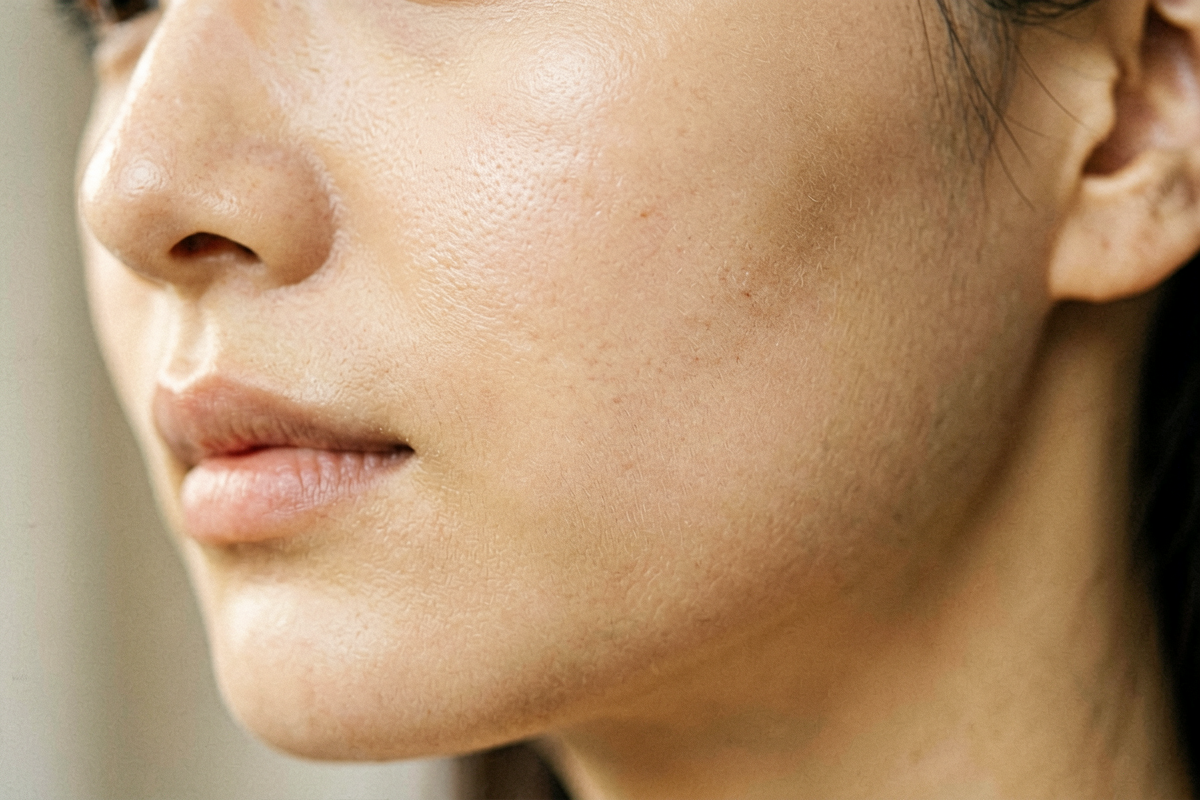
Healthy skin is not simply clear skin. It is resilient skin. Understanding the barrier is the first step toward building a routine that protects it.
Most people discover the skin barrier the same way: through a product that stings unexpectedly, a patch of redness that will not settle, or a dryness that moisturiser no longer seems to fix. Suddenly, the term skin barrier repair is everywhere. However, the barrier is not a trend. It is the foundational architecture of your skin, and it has been the subject of serious dermatological research for decades. This guide covers what it actually is, what breaks it down over time, which ingredients have the clinical evidence to repair it, and how to build a daily routine that keeps it functioning well. All sources are from peer-reviewed research published between 2023 and 2026.
What the skin barrier actually is
Before learning how to repair it, you need to understand what you are working with. The barrier is more complex than most skincare conversations suggest.
The stratum corneum: your outermost defence
The skin barrier refers primarily to the stratum corneum, the outermost layer of the epidermis. It is made up of flattened, protein-rich skin cells called corneocytes, surrounded by lipid layers composed mainly of ceramides, cholesterol, and free fatty acids. Together, this structure is often described using the “brick and mortar” model: the cells are the bricks, and the lipids are the mortar holding everything in place. A 2024 review in the International Journal of Molecular Sciences confirmed that this lipid matrix is what determines the barrier’s capacity to retain water, resist irritants, and regulate inflammatory responses. When the mortar weakens, the bricks shift, and things that should stay out begin to get in.
The two jobs the barrier does every hour
The skin barrier has two simultaneous responsibilities. The first is preventing transepidermal water loss, keeping hydration locked inside the skin. The second is acting as a physical and immune defence against external stressors such as bacteria, allergens, pollutants, and UV damage. Both functions are deeply connected. When one fails, the other weakens alongside it. Beyond defence, the barrier is also metabolically active, constantly undergoing a renewal process in which old cells shed and new ones rise to the surface. When that renewal process is disrupted, barrier function deteriorates.
Year-over-year growth in searches for skin barrier repair (Google Trends, 2025–2026)
Of ceramide content in the lipid barrier is ceramide alone (Dermatology Research, 2024)
Of adults now take a preventative, consistency-driven approach to skincare (Boots Wellness Report, 2026)
What damages the skin barrier
Barrier damage is rarely a single event. It is almost always cumulative, and many of the causes are part of a well-intentioned but ultimately counterproductive routine.
Over-exfoliation: the most common modern cause
Chemical exfoliants, retinoids, and physical scrubs all have a legitimate place in a skincare routine. However, when used too frequently or at concentrations that exceed the barrier’s recovery capacity, they create a cumulative deficit. Each exfoliation session temporarily disrupts the stratum corneum. Given sufficient recovery time, the barrier rebuilds. Without it, lipid depletion compounds, and the barrier enters a state of chronic compromise. A 2025 study in the Journal of Investigative Dermatology found that repeated disruption without recovery phases measurably reduced ceramide synthesis in the upper epidermis within four weeks. This is exactly why the skin cycling approach became such a significant shift in how dermatologists frame exfoliant use: structured recovery nights are not optional, they are the point.
Environmental stressors: UV, pollution, and climate
UV radiation generates reactive oxygen species that break down both the lipid matrix and the structural proteins that support barrier integrity. Additionally, urban air pollutants have been shown to pass through the stratum corneum directly, triggering skin inflammation that speeds up barrier deterioration over time. Cold, dry climates reduce the water content of the stratum corneum, slowing the natural processes essential for normal cell turnover. Furthermore, humidity shifts, central heating, and seasonal changes all affect how quickly water evaporates from the skin surface. The Belldiva daily SPF guide covers the UV protection side in depth. Together, consistent SPF use and a barrier-supportive routine address these environmental threats from two complementary angles.
Harsh cleansing and hot water
Surfactant-heavy cleansers, particularly those that produce a very tight or squeaky-clean feeling after rinsing, strip the skin’s natural lipids as effectively as they remove makeup or sunscreen. This is not a theoretical concern: a 2024 paper in the British Journal of Dermatology demonstrated that surfactant exposure reduces the skin’s natural moisturising factor significantly within two weeks of twice-daily use. Hot water compounds this by temporarily making the stratum corneum more open to water loss. Choosing a gentle, lipid-preserving cleanser is therefore not a minor preference. It is foundational to any skin barrier repair protocol.
A damaged barrier does not need more actives. It needs less, and it needs the right ones. Recovery begins when you stop adding to the burden.
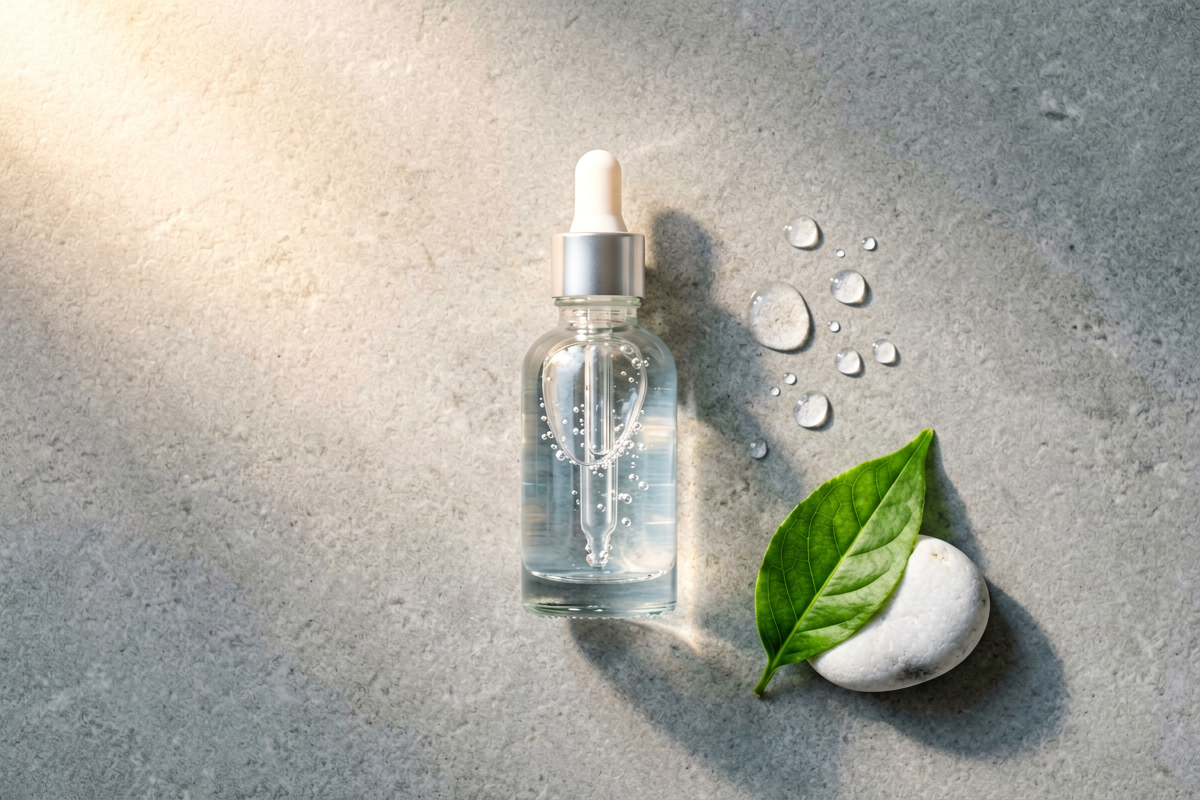
Barrier repair does not require a complex routine. It requires the right ingredients, used consistently, in the right order.
The ingredients that actually repair the skin barrier
Not every ingredient marketed for barrier support has the clinical evidence to back the claim. These five do.
✦ Ceramides
Ceramides are the most abundant lipid in the stratum corneum and therefore the most well-researched ingredient for barrier repair. Topical ceramide formulations have been shown to restore lipid content within four to six weeks of consistent use, measurably reducing water loss through the skin. Look for formulations that include all three key ceramide types: ceramide NP, ceramide AP, and ceramide EOP. These work together to replicate the natural lipid ratio of healthy skin. Brands like The Ordinary, Kiehl’s, and Murad all carry ceramide-based moisturisers formulated at concentrations shown to support barrier restoration.
✦ Hyaluronic Acid
Hyaluronic acid is a naturally occurring water-binding sugar molecule found in the skin that draws water from the environment and deeper skin layers toward the stratum corneum. When the barrier is compromised, the skin loses water rapidly. Hyaluronic acid addresses this by providing immediate surface hydration while the lipid repair process takes place underneath. Formulations with multiple molecular weights are particularly effective: high-molecular-weight hyaluronic acid stays at the surface, while low-molecular-weight forms penetrate more deeply. SkinCeuticals and Paula’s Choice both offer multi-weight hyaluronic acid serums with strong research backing.
✦ Niacinamide
Niacinamide, or vitamin B3, supports barrier repair through two distinct mechanisms. First, it stimulates the synthesis of ceramides and fatty acids within the skin’s own lipid production pathway. Second, it reduces the inflammatory response that typically accompanies a damaged barrier, calming redness and sensitivity as the repair process progresses. A 2025 clinical review confirmed that niacinamide at five percent applied twice daily produced measurable improvements in barrier integrity within eight weeks in subjects with compromised skin. It is also one of the most broadly tolerated actives, meaning it is suitable for use even when the barrier is acutely sensitive. The Belldiva niacinamide guide covers concentration selection and layering in full detail.
✦ Panthenol (Pro-Vitamin B5)
Panthenol converts to its active form in the skin, where it supports skin cell renewal and accelerates the rate at which the barrier rebuilds after disruption. It is also a strong moisture-drawing ingredient, pulling hydration to the surface in a similar manner to hyaluronic acid but with an added capacity to soothe inflammation. Panthenol is frequently found as a secondary ingredient in barrier-focused formulations from brands like Elemis London and Clarins, where it pairs well with ceramides and fatty acid complexes. Because it is so gentle, it is one of the first ingredients to introduce during an active recovery period.
✦ Fatty Acids (Linoleic Acid and Squalane)
The lipid matrix of the stratum corneum depends on fatty acids alongside ceramides and cholesterol to hold its structure together. Linoleic acid, found in rosehip and sea buckthorn oils, is an essential fatty acid the skin cannot make on its own and must receive topically or through diet. Squalane, a stable plant-derived form of squalene, mimics the skin’s own sebum and has been shown in multiple 2024 studies to improve barrier hydration and reduce sensitivity without clogging pores. Both are excellent choices for the last step of a barrier repair routine, locking in everything applied beneath while adding directly to lipid replenishment. Elizabeth Arden ✦ and Dr. Brandt ✦ both carry barrier-focused formulations that pair fatty acid complexes with proven humectants.
The skin barrier and the microbiome: an important connection
Barrier health does not exist in isolation. The community of microorganisms living on the skin surface plays a direct role in how well the barrier functions.
Why the skin microbiome matters for barrier repair
The skin surface is home to trillions of microorganisms, primarily bacteria, fungi, and viruses, that exist in a carefully balanced community. This community, known as the skin microbiome, plays an active role in regulating inflammation, defending against harmful invaders, and supporting the processes that maintain the stratum corneum’s renewal cycle. When the microbiome is disrupted, often by the same causes that damage the barrier itself, these protective functions are impaired. Research published in the British Journal of Dermatology in 2025 confirmed a two-way relationship: a compromised barrier reduces the variety of beneficial microbes on the skin, and that reduced variety further weakens barrier defence. This is particularly relevant for conditions like eczema, rosacea, and perioral dermatitis, where both the microbiome and the barrier are affected at the same time.
What supports a healthy skin microbiome
Gentle, pH-balanced cleansing is the most accessible starting point, since a skin-appropriate pH between 4.5 and 5.5 creates the conditions in which beneficial bacteria thrive. Prebiotic skincare, which provides nutrients that support the growth of these bacteria, is an emerging category with growing evidence behind it. Avoiding unnecessary fragrance and essential oils reduces irritant exposure that disrupts microbial balance. Similarly, reducing the frequency of active ingredient use during a recovery phase allows the microbiome to stabilise alongside the lipid repair process. The two are best repaired together, not sequentially.

Skin barrier repair is equally relevant for men. The same lipid-replenishing ingredients, applied consistently, produce the same measurable results regardless of skin type.
Skin barrier repair by skin type
Barrier repair is universal, but the approach adjusts based on how your skin behaves. These are the key distinctions.
Dry and sensitive skin
Dry and sensitive skin typically reflects a baseline lipid deficiency rather than a situational compromise. Moreover, the barrier in this skin type is often thinner and more reactive to environmental shifts. Consequently, the priority is replenishment: ceramide-rich creams applied morning and evening, layered over a hyaluronic acid serum applied to damp skin. Occlusive ingredients like squalane or a small amount of plant-based oil as a final step at night help seal in the repair work completed by the ceramides below. Fragrance-free formulations are essential, since fragrances are among the most common barrier-disrupting irritants in skincare. Elizabeth Arden ✦ and RoC ✦ both carry fragrance-free, barrier-focused moisturisers well suited to this skin type.
Oily and combination skin
Oily skin can absolutely have a compromised barrier. In fact, over-exfoliation in oily skin types is particularly common, often driven by a desire to control excess sebum. However, stripping the surface lipids does not reduce oil production. Instead, it frequently triggers a compensatory sebum surge. For this skin type, the repair approach favours lightweight ceramide gels or gel-creams, niacinamide to help regulate oil while supporting barrier synthesis, and a pore-safe squalane if additional lipid support is needed. The goal is barrier integrity without heaviness. Brands like Paula’s Choice and Murad offer specifically formulated options for barrier repair in oily and combination skin.
Men’s skin: different in structure, same in need
Men’s skin is structurally thicker and produces more sebum on average, but it faces additional barrier challenges that are often overlooked. Daily shaving physically disrupts the stratum corneum along the jaw and neck, creating a localised zone of chronic low-grade barrier compromise. Furthermore, men statistically use fewer products and therefore have fewer opportunities to apply barrier-supportive ingredients. A simple, consistent approach works best: a gentle cleanser, a ceramide or peptide moisturiser, and SPF in the morning. Brands specifically formulated for men’s skin, including Brickell, Lumin, and Jaxon Lane, offer barrier-repair formulations designed for the structural differences of male skin and the specific disruption that shaving creates.
The strongest skin barrier is not the result of the most expensive routine. It is the result of the most consistent and intentional one.
The skin barrier repair routine: morning and evening
This routine covers both morning and evening steps, designed around the phases of barrier repair: protection during the day and active rebuilding at night.
Morning: protect what you are rebuilding
Begin by rinsing with cool or lukewarm water only, or use a gentle low-surfactant cleanser. Next, apply a hyaluronic acid serum to damp skin to lock in surface hydration. Follow with a ceramide-rich moisturiser to support lipid replenishment. Finally, apply a broad-spectrum SPF 30 or higher. Consistent SPF use is non-negotiable during a barrier repair phase, because UV exposure directly degrades the lipid matrix you are working to restore. Keep actives to a minimum: if you use niacinamide, it fits well after the serum step, since it actively supports barrier synthesis. Save all exfoliants and retinoids for the evening, and only once the barrier has stabilised.
Evening: rebuild while you rest
Begin with a double cleanse if you have worn SPF or makeup, using an oil cleanser first followed by a gentle water-based cleanser. Then apply a hyaluronic acid serum to damp skin. Follow with a ceramide and panthenol moisturiser, pressing it gently into the skin. Finally, seal the entire routine with a few drops of squalane or a gentle facial oil, applied last. This final occlusive layer is particularly important in the evening because it prevents water loss as you sleep and maintains the humid microenvironment the barrier needs to repair efficiently. During an acute recovery phase, remove retinoids and exfoliants entirely for at least two to four weeks before cautiously reintroducing them. The skin’s repair cycle peaks at night, which is exactly why this phase matters so much.
How long does skin barrier repair actually take
This is the question most people want answered, and the honest answer is that it depends on the degree of compromise. Acute disruption, such as windburn or a reaction to a new product, typically resolves within five to seven days with a stripped-back, barrier-supportive routine. Chronic compromise built over months or years of over-exfoliation or reactive skin conditions may take four to six weeks of consistent repair-focused care before the barrier is measurably restored. In both cases, the same principle applies: the fewer variables you introduce, the faster the recovery. A routine of four to five gentle, barrier-appropriate products used consistently will always outperform a ten-step routine filled with competing actives.

A barrier repair routine does not need to be long. It needs to be consistent, gentle, and built around ingredients the science supports.
Your skin barrier questions answered
Common questions about skin barrier repair
Can you have a damaged skin barrier without knowing it?
Yes, and this is more common than most people realise. Subtle signs include a persistent tightness after cleansing, increased sensitivity to products that previously caused no reaction, mild redness or blotchiness that does not resolve, and skin that feels dry even after applying moisturiser. These are all signs that the barrier is not working as well as it should, even if the skin does not look visibly irritated.
Should you stop retinoids completely during barrier repair?
During an acute compromise, yes. Retinoids accelerate cell turnover, which is precisely the mechanism that depletes ceramides when the barrier is already under stress. Once the barrier has stabilised, typically after two to four weeks of a repair-focused routine, retinoids can be reintroduced at low frequency, starting with once per week, using the skin cycling model: one exfoliation or retinoid night followed by two recovery nights.
Is the skin barrier the same as the moisture barrier?
The terms are often used to mean the same thing, but there is a distinction worth understanding. The moisture barrier refers to the stratum corneum’s capacity to prevent water loss. The skin barrier is the broader structural and immune function of the stratum corneum as a whole. In practice, they are so closely connected that repairing one almost always repairs the other. A barrier that holds moisture is also a barrier that defends more effectively.
More skin barrier questions answered
Does diet affect the skin barrier?
Yes, meaningfully. Essential fatty acids, particularly omega-3 and omega-6 from foods like oily fish, flaxseed, and walnuts, contribute to the lipid stores from which the skin draws when building its barrier. Adequate vitamin D supports immune control in the skin, and zinc plays a role in skin wound healing and cell repair. Supplements from brands like HUM Nutrition and Ritual can complement a topical repair routine, particularly when dietary intake is inconsistent. The Belldiva women’s skincare guide covers the nutrition and supplement angle in further detail.
How do hormonal changes affect the skin barrier?
Significantly. Oestrogen plays a direct role in regulating ceramide production and collagen formation in the dermis. As oestrogen levels shift, the lipid content of the stratum corneum can decline, making the barrier more open to water loss and irritation. This is why many people notice increased skin sensitivity during hormonal transitions. Addressing it with ceramide replenishment and gentle barrier-supportive actives is the most practical starting point, and it works alongside whatever other hormonal management approach an individual is pursuing.
The barrier is not a trend. It is the foundation.
The skincare industry has spent years telling people to add more: more actives, more steps, more concentration, more frequency. The growing conversation around skin barrier repair is, in many ways, a correction to that impulse. Because when the foundation of the skin is not intact, nothing else in the routine can perform properly. Actives cannot absorb evenly. Hydration cannot be retained. The skin cannot defend against the daily assault of UV, pollution, and temperature change.
Why the Belldiva approach puts the barrier first
At Belldiva, the founding philosophy holds that care begins from within, and that the most visible result of genuine self-care is a skin that looks and feels like it is working without struggle. The skin barrier is where that idea becomes literal. A well-functioning barrier is calm, resilient, and adaptable. It holds moisture, resists irritants, and recovers from disruption without drama. Building toward that outcome is not a trend. It is the work.
Tomorrow, the Belldiva blog continues this series with a deep guide to beta-glucan, the barrier repair ingredient with decades of clinical evidence behind it and a very well-timed moment in the spotlight.
Wealth without wellness is incomplete. Rooted in Care. Refined in You.
Sources and research references
Elias PM, Wakefield JS. Therapeutic implications of a barrier-based pathogenesis of atopic dermatitis. Clinical Reviews in Allergy and Immunology. 2024 | Feingold KR, Elias PM. Role of lipids in the formation and maintenance of the cutaneous permeabil00 barrier. Biochimica et Biophysica Acta. PMC4526145 | Draelos ZD. The science behind skin care: moisturisers. Journal of Cosmetic Dermatology. 2024 | Choi EH et al. Ceramide synthesis and the skin barrier. International Journal of Molecular Sciences. 2024 | Lynde CW et al. The skin microbiome in atopic dermatitis and its relationship to the skin barrier. British Journal of Dermatology. 2025 | Boots Beauty and Wellness Trends Report. 2026 | Cosmetics Business. Skin Care Trend Report: Beta-glucan and barrier repair. March 2026
The information in this guide is intended for educational purposes and reflects research current to June 2026. It does not constitute medical advice. If you are managing a diagnosed skin condition such as eczema, rosacea, or psoriasis, please consult a qualified dermatologist before making changes to your skincare routine.
Rooted in Care. Refined in You.
Explore Belldiva’s Curated Skincare Collection
Over 70 luxury brands in beauty, skincare, hair, and wellness. Every brand chosen for genuine excellence and real results.
Belldiva’s Curated Beauty and Wellness Brands
All Belldiva Brands
Huda Beauty
Charlotte Tilbury
Sephora
MAC
Dior
Katini Skin
Ultra Violette
NYX Cosmetics
The Ordinary
Verb Products
BK Beauty
Prada Beauty
Estée Lauder
Vasanti Cosmetics
Brickell
Lumin
Blu Atlas
Liomen
Jaxon Lane
Beardbrand
Scotch Porter
Bevel
Menfirst
Atlas
SkinCeuticals
Lululemon
Headspace
Calm
Fitbit
MyFitnessPal
Noom
Peloton App
Organifi
Ritual
HUM Nutrition
Nike
YSL (Saint Laurent Beauty)
Lancôme
Clinique
NARS
Elizabeth Arden ✦
Victoria Beckham Beauty
Make Up For Ever
Valentino Beauty
Bobbi Brown
Shiseido
Benefit Cosmetics
Stila ✦
Clarins
Viori Beauty ✦
Life Extension
Serious Skincare
Qure Skincare
Armani Beauty
Dr. Brandt ✦
RoC ✦
Katini Skin
skin barrier repair
skin barrier
ceramides for skin
moisture barrier
skincare ingredients
hyaluronic acid
niacinamide
skincare routine
sensitive skin
men’s skincare
Belldiva skincare