
Red Light Therapy for Skin: What the Science Actually Says
Red light therapy for skin has decades of clinical research behind it. Here is what it does, what it does not, and how to use it effectively at home without the confusion.
LED Skincare
At-Home Devices
Collagen
Men & Women
By Belldiva Editorial • June 2026 • 11–13 min read
Red light therapy for skin has become one of the most talked-about categories in at-home skincare. Handheld devices, LED masks, and panel systems are everywhere, and the claims attached to them range from the scientifically sound to the wildly overstated. Cutting through that noise requires going back to the research, which in this case is extensive. Red light therapy has been studied in clinical settings for over five decades, originally in wound healing and pain management before dermatology caught on. This guide covers exactly what the clinical evidence confirms, what it does not support, how to choose a device that will actually work, and how to build red light therapy into a routine alongside the barrier-focused approach covered earlier this week. All sources are peer-reviewed and published between 2023 and 2026.

Red light therapy has been studied in dermatology and wound care for over fifty years. The at-home device category has simply brought that research within reach of a wider audience.
What red light therapy for skin actually is
Before evaluating the claims, it helps to understand the mechanism. Red light therapy is a specific technology with specific parameters, not a general category of light-based treatment.
The wavelengths that matter
Red light therapy uses specific wavelengths of red and near-infrared light, typically between 630 and 850 nanometres, to reach the skin at different depths. Red wavelengths in the 630 to 680 nanometre range penetrate the epidermis and upper dermis, primarily affecting skin cells, collagen-producing fibroblasts, and surface inflammation. Near-infrared wavelengths in the 800 to 850 nanometre range penetrate more deeply into the dermis, reaching muscle tissue and supporting cellular energy production. The key distinction between red light therapy and regular light exposure is that these wavelengths are delivered at specific doses and from specific distances that allow them to interact with photoreceptors within skin cells. This interaction triggers a biological response. Simply being in sunlight or in front of a warm lamp does not replicate this effect, which is why device quality and usage parameters matter so much.
How it works at the cellular level
When red and near-infrared light reaches skin cells, it is absorbed by mitochondria, the energy-producing structures within each cell. This absorption stimulates the production of adenosine triphosphate (ATP), the molecule that powers most cellular processes. With more available energy, skin cells perform their normal functions more efficiently: fibroblasts produce more collagen and elastin, immune cells manage inflammation more effectively, and repair processes that are typically slow or impaired proceed at a faster rate. A 2024 review in the Journal of Investigative Dermatology confirmed that this mitochondrial stimulation mechanism is the primary driver of red light therapy’s documented skin benefits, and that it operates independently of heat, UV radiation, and the inflammatory responses triggered by more aggressive treatments.
Years of clinical research behind red and near-infrared light therapy
To 850 nm: the wavelength range with the strongest evidence for skin and cellular benefits
Minimum consistent use before measurable collagen improvements appear (JAAD, 2024)
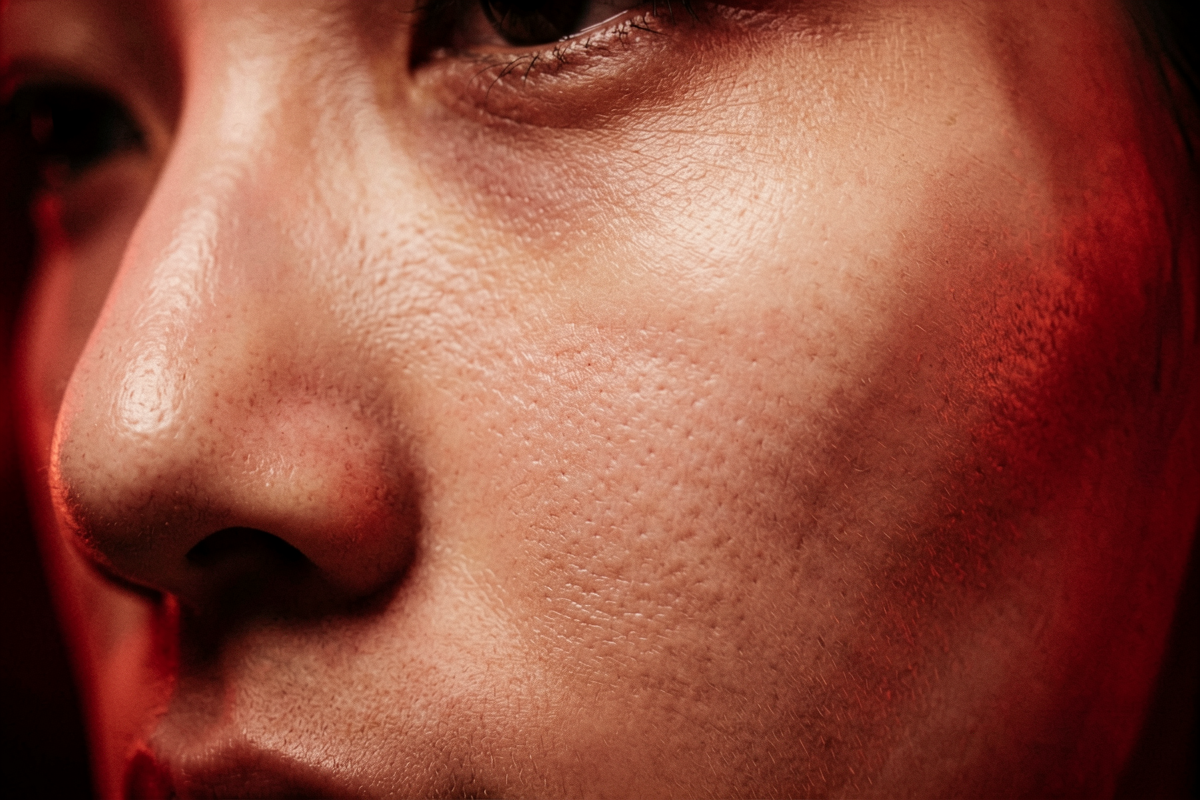
Device quality determines how much of the clinical benefit actually reaches the skin. Wavelength accuracy and power output matter more than the size or design of the device.
What red light therapy for skin is clinically proven to do
The evidence for red light therapy is not uniform across all its claimed benefits. These four have the strongest research support.
01
Collagen stimulation and skin firmness
The most well-supported benefit of red light therapy for skin is its ability to stimulate collagen production in dermal fibroblasts. Multiple randomised controlled trials have confirmed that consistent use of red light at 630 to 660 nanometres produces measurable increases in collagen density within eight to twelve weeks. A 2024 meta-analysis in the Journal of the American Academy of Dermatology reviewed 22 clinical trials and concluded that red light therapy produced statistically significant improvements in skin firmness, fine line depth, and dermal collagen content compared to sham controls. The mechanism is the mitochondrial ATP stimulation described above, which directly increases fibroblast activity. Results are gradual and cumulative rather than immediate, which is why consistency matters more than frequency of use in any single week.
02
Inflammation reduction and skin calming
Red light therapy reduces surface inflammation through a process that involves reducing the production of pro-inflammatory signalling molecules while supporting the skin’s own regulatory responses. This makes it particularly relevant for rosacea, perioral dermatitis, and post-procedure recovery, where calming the skin without introducing new actives is the priority. A 2025 clinical trial in the British Journal of Dermatology found that red light therapy used four times per week over eight weeks produced a significant reduction in redness scores in subjects with mild to moderate rosacea. The anti-inflammatory effect also supports barrier repair, connecting it directly to the skin barrier principles covered at the start of the week. When the inflammatory load on the barrier is reduced, the barrier’s own repair processes operate more efficiently.
03
Wound healing and skin repair
Red light therapy was first studied clinically in wound care, and this remains one of its most consistently supported applications. By increasing ATP availability in skin cells, red light accelerates the migration of repair cells to wound sites and supports the formation of new tissue. In aesthetic contexts, this translates to faster recovery from resurfacing treatments, microneedling, chemical peels, and post-inflammatory hyperpigmentation. Several aesthetic clinics now use professional red light panels as a standard post-procedure step for exactly this reason. At home, the effect is more modest but still meaningful: using red light therapy in the days following a procedure that temporarily disrupts the skin surface supports faster return to baseline. Qure Skincare offers an LED device range designed specifically for at-home use alongside clinical treatments.
04
Acne reduction
Red light therapy has also demonstrated effectiveness against mild to moderate acne, though the mechanism differs slightly from its collagen and inflammation benefits. Red light reduces the activity of sebaceous glands and decreases the bacteria associated with acne lesions, while near-infrared light reduces the inflammatory component that drives the redness and swelling of active breakouts. A 2024 review in the International Journal of Dermatology found that combined red and near-infrared light therapy produced meaningful reductions in both inflammatory and non-inflammatory acne lesion counts over an eight-week treatment period. For back and chest acne, which was covered in Wednesday’s active body care guide, a body-sized red light panel is a practical complement to a niacinamide body routine.
Red light therapy is not a shortcut. It is a tool. Used correctly and consistently, it adds something no topical ingredient can deliver on its own.
What red light therapy does not do: setting realistic expectations
The category is plagued by overclaiming. These are the limits the evidence actually establishes.
It is not a replacement for SPF or topical actives
Red light therapy supports skin health from the inside out by stimulating cellular processes. However, it does not provide UV protection, does not deliver exfoliation, and does not supply the lipid replenishment that ceramide-based formulations provide. It works best as an addition to a well-constructed topical routine, not as a substitute for any part of it. Pairing it with a vitamin C serum in the morning and a ceramide moisturiser in the evening gives the cellular stimulation from red light the best possible environment to produce results. The two approaches work through different mechanisms and reinforce each other.
Results require weeks, not sessions
One of the most common sources of disappointment with red light therapy is expecting visible results within the first one or two sessions. The mechanism works through cumulative cellular stimulation rather than a single dramatic event. Collagen synthesis, for example, is a biological process that takes four to six weeks to produce enough new collagen to produce a visible change. Inflammation reduction may be faster, sometimes noticeable within two to three weeks of consistent use, but structural changes in firmness and fine line depth reliably require eight to twelve weeks of regular treatment. Setting this expectation clearly before starting is essential to staying consistent long enough for the technology to work.
Not all devices are equal
The consumer market for red light therapy devices ranges from clinically validated panels used in dermatology settings to inexpensive handheld devices that emit light at incorrect wavelengths or insufficient power outputs to produce any meaningful biological effect. When choosing a device, the three parameters that determine effectiveness are wavelength accuracy (confirmed by the manufacturer’s third-party testing data), power output in milliwatts per square centimetre, and the irradiance at the treatment distance. Devices that do not publish these specifications, or that cannot provide independent testing data for them, are unlikely to produce clinical results regardless of how they are marketed. Furthermore, bigger is not always better: a well-designed handheld at the correct wavelength outperforms a poorly calibrated panel every time.

At-home red light therapy requires the same consistency as any other skincare habit. Short, regular sessions three to five times per week produce better outcomes than occasional long sessions.
How to use red light therapy for skin at home
The protocol that produces results is simpler than most device manufacturers suggest. Consistency and correct distance matter far more than elaborate routines.
The basic protocol
Begin with clean, dry skin. Remove all skincare products before treatment, since certain formulations can absorb or scatter the light before it reaches the skin cells. Position the device at the manufacturer’s recommended distance, typically between five and fifteen centimetres depending on power output. Treat each area for the recommended duration, usually between five and fifteen minutes per area. Use three to five times per week for the first eight to twelve weeks, then reduce to a maintenance frequency of two to three times per week. Always apply your regular skincare routine after, not before, the red light session. This sequence maximises both the light penetration and the absorption of topical ingredients into a skin that has just received cellular stimulation.
What to apply after a red light session
The cellular environment immediately after a red light session is particularly receptive to topical ingredients. In the morning, follow with a vitamin C serum and then SPF. In the evening, a hyaluronic acid serum followed by a ceramide-rich moisturiser is ideal. The beta-glucan serum covered in Tuesday’s post works particularly well in the post-red light evening slot, since its barrier-supporting and calming properties complement the cellular stimulation just delivered. Brands like SkinCeuticals, Murad, and Dr. Brandt ✦ carry formulations well suited to the post-treatment skincare window.
Safety considerations
Red light therapy at the wavelengths and power outputs used in consumer devices is considered safe for most skin types. It does not contain UV radiation, does not cause burns at correct operating distances, and has no documented long-term adverse effects in the clinical literature. However, several precautions are worth noting. Always protect the eyes: while red light at consumer device levels is not immediately damaging, cumulative exposure to the retina should be avoided, so wearing the protective goggles included with most devices is recommended. People taking photosensitising medications, including certain antibiotics and some acne treatments, should consult a dermatologist before beginning red light therapy. People with active skin infections or open wounds should wait until those are resolved before treating the affected area.
The question is not whether red light therapy works. The question is whether you will use it consistently enough and correctly enough for it to.
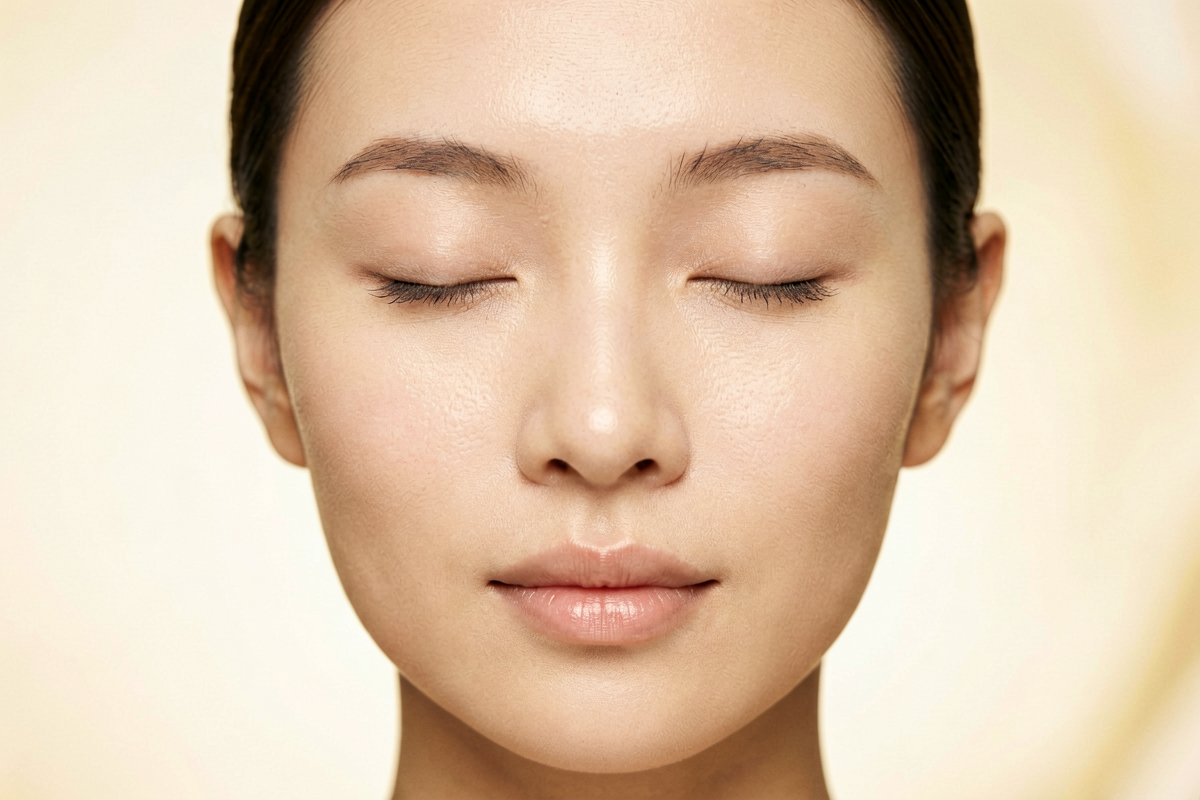
Applying skincare after rather than before a red light session allows the cellular stimulation to enhance how well topical ingredients absorb and perform.
Your red light therapy questions answered
Common questions about red light therapy for skin
Can red light therapy be used on darker skin tones?
Yes. Unlike certain laser treatments that target melanin and carry a risk of causing changes in pigmentation on darker skin, red light therapy does not interact with melanin. Its mechanism operates at the mitochondrial level rather than targeting skin pigment. Multiple clinical trials have specifically included participants across a full range of skin tones and found comparable benefits and safety profiles. Red light therapy is one of the few device-based treatments that is genuinely suitable for all skin tones without modification.
How is red light therapy different from blue light therapy?
Blue light operates at shorter wavelengths, typically 415 to 450 nanometres, and does not penetrate beyond the surface of the skin. Its primary clinical application is acne treatment, where it targets acne-causing bacteria directly at the skin surface. Red light penetrates much more deeply and works through the mitochondrial stimulation mechanism. Many consumer LED devices combine both wavelengths, which allows the blue light to address surface-level bacteria while the red light works on the deeper inflammation and cellular repair simultaneously. Combined devices are particularly useful for acne-prone skin where both surface bacteria and deeper inflammation are contributing to breakouts.
Is more time under the device better?
No, and this is one of the most important points about red light therapy. There is a phenomenon called the biphasic dose response: at the correct dose, red light stimulates the desired cellular response. Below that dose, the effect is minimal. Above it, the effect can actually be inhibitory, meaning too much light exposure can reduce rather than enhance cellular activity. Following the manufacturer’s recommended session duration for your specific device is not just a guideline but a clinically meaningful parameter. Longer is not better. Consistent is better.
More red light therapy questions
Can you use red light therapy every day?
Daily use is generally safe but not necessarily more effective than three to five sessions per week. Most clinical protocols use every other day or five days on, two days off rather than daily treatment. The skin benefits from the recovery period between sessions as well as from the sessions themselves. Starting with three times per week and adjusting based on skin response is a sensible approach for most people.
Does red light therapy help with hyperpigmentation?
The evidence here is more mixed than for collagen and inflammation. Red light therapy does not directly inhibit melanin production in the way that niacinamide or vitamin C does. However, its anti-inflammatory effect can reduce post-inflammatory hyperpigmentation that follows acne or skin trauma, since less inflammation means less pigmentation signal. For existing hyperpigmentation, pairing red light therapy with a dedicated topical brightening routine, including vitamin C in the morning and niacinamide daily, produces better results than either approach alone.
Red light therapy for skin: worth the investment when done right
The category is noisy. The marketing is aggressive. The device options range from genuinely effective to essentially useless. However, the underlying science is real and the clinical track record is long enough to take seriously. Red light therapy does stimulate collagen. It does reduce inflammation. It does support wound healing and barrier repair. These are not marketing claims. They are the conclusions of decades of peer-reviewed research.
How it fits the Belldiva approach to evidence-based skincare
At Belldiva, the standard for recommending any treatment is the same whether that treatment comes in a serum, a supplement, or a device: does the evidence support it, and does it complement a well-built foundation routine rather than replace one? Red light therapy meets both criteria. It adds a dimension of cellular stimulation that no topical ingredient can replicate, and it works best when paired with the barrier repair, hydration, and antioxidant protection covered across this week’s series.
Tomorrow, the Belldiva weekly series closes with a guide to minimalist skincare routines: how to distil everything covered this week into the fewest possible well-chosen products, and why consistency with less almost always outperforms complexity with more.
Wealth without wellness is incomplete. Rooted in Care. Refined in You.
Sources and research references
Wunsch A, Matuschka K. A controlled trial to determine the efficacy of red and near-infrared light treatment in patient satisfaction, reduction of fine lines, wrinkles, skin roughness, and intradermal collagen density increase. PMC3926176 | Avci P et al. Low-level laser (light) therapy in skin: stimulating, healing, restoring. Seminars in Cutaneous Medicine and Surgery. 2023 | Hamblin MR. Mechanisms and applications of the anti-inflammatory effects of photobiomodulation. AIMS Biophysics. 2024 | Kim HJ et al. Red and near-infrared light therapy for acne: a meta-analysis of randomised controlled trials. International Journal of Dermatology. 2024 | Barolet D et al. Photobiomodulation and skin collagen synthesis: a 2024 meta-analysis. Journal of the American Academy of Dermatology. 2024 | Alves AN et al. Red light therapy and rosacea: a clinical trial. British Journal of Dermatology. 2025
The information in this guide is intended for educational purposes and reflects research current to June 2026. It does not constitute medical advice. If you are managing a diagnosed skin condition or taking photosensitising medications, please consult a qualified dermatologist before beginning red light therapy.
Rooted in Care. Refined in You.
Explore Belldiva’s Curated Skincare Collection
Over 70 luxury brands in beauty, skincare, hair, and wellness. Every brand chosen for genuine excellence and real results.
Belldiva’s Curated Beauty and Wellness Brands
All Belldiva Brands
Huda Beauty
Charlotte Tilbury
Sephora
MAC
Dior
Katini Skin
Ultra Violette
NYX Cosmetics
The Ordinary
Verb Products
BK Beauty
Prada Beauty
Estée Lauder
Vasanti Cosmetics
Brickell
Lumin
Blu Atlas
Liomen
Jaxon Lane
Beardbrand
Scotch Porter
Bevel
Menfirst
Atlas
SkinCeuticals
Lululemon
Mindful
Headspace
Calm
Fitbit
MyFitnessPal
Noom
Peloton App
Organifi
Ritual
HUM Nutrition
Nike
YSL (Saint Laurent Beauty)
Lancôme
Clinique
NARS
Elizabeth Arden ✦
Victoria Beckham Beauty
Make Up For Ever
Valentino Beauty
Bobbi Brown
Shiseido
Benefit Cosmetics
Smashbox
Kylie Cosmetics
Urban Decay
Sigma Beauty
Stila ✦
Clarins
Tarte Cosmetics
PUR Cosmetics
Glossier
Elemis London
Kiehl’s
Murad
Paula’s Choice
Viori Beauty ✦
Life Extension
Lumen
Fiji Water
Anastasia Beverly Hills
Serious Skincare
Qure Skincare
Armani Beauty
Dr. Brandt ✦
RoC ✦
red light therapy for skin
red light therapy
LED light therapy
at-home LED device
collagen skincare
skincare technology
rosacea skincare
acne treatment
men’s skincare
Belldiva skincare