Chemical Peels, Decoded From Gentle to Clinical
This chemical peel guide breaks down where glycolic, salicylic, and TCA actually differ, and how to tell when an at-home peel will not get you the result a clinic treatment can.
Professional Treatments
Pigment & Texture
Men & Women
By Belldiva Editorial • 2026 • 12–14 min read
A proper chemical peel guide has to start by admitting something most product pages will not. The word “peel” covers an enormous range. In practice, a weekend glycolic treatment and a dermatologist’s trichloroacetic acid solution are both called peels.
Yet they work at entirely different depths of the skin, and they produce entirely different results. That gap is exactly where most shoppers get confused. Closing it is what this chemical peel guide is built to do.
What actually separates one peel from another is not the brand on the bottle. It is the acid family, the concentration, and the depth that acid reaches in the skin. For example, a gentle at-home formula sits in the outermost layer and sloughs away in a weekend.
A clinic-strength peel reaches further and triggers a genuine wound-healing response. In return, it asks for several days of downtime and delivers a more dramatic change in tone and texture. Knowing which category you are actually buying changes the entire conversation.
This chemical peel guide maps the major acid families to the concerns they treat best. It explains exactly where the line sits between an over-the-counter formula and a professional treatment. Along the way, it covers what current melasma research says about when a clinic peel outperforms a home one.
Finally, it closes with practical guidance for preparing for and recovering from an in-office appointment. All sources are from peer-reviewed research published between 2024 and 2026.
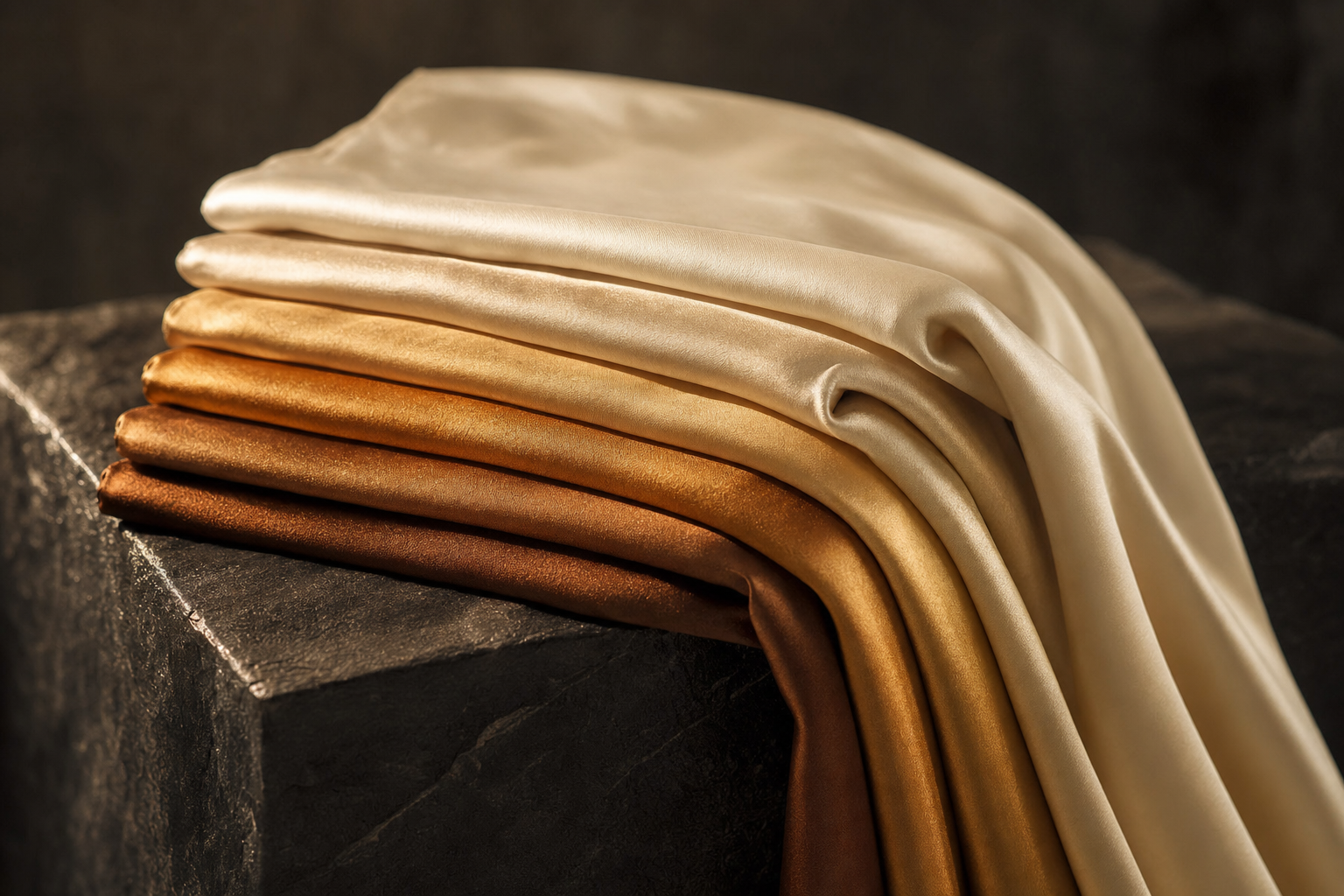
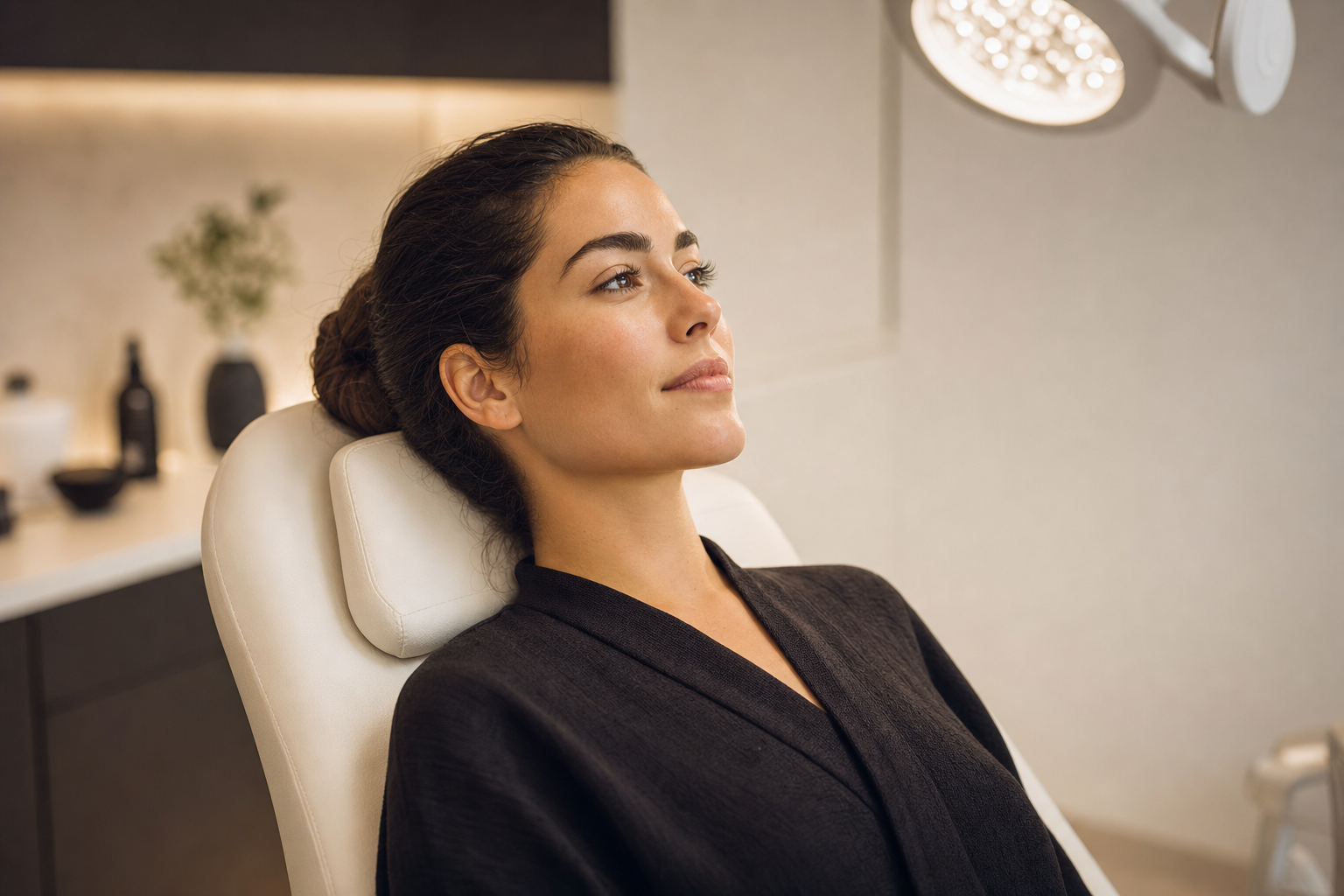
Every peel sits somewhere on a spectrum from gentle to clinical. The acid, the concentration, and the depth it reaches are what actually determine the result, not the marketing on the box.
The Chemical Peel Guide to Acid Strength and Depth
Before comparing brands or booking an appointment, it helps to understand what a peel is mechanically doing to the skin, since that is what determines downtime, results, and risk.
Peel depth, not the acid name, is what determines the result
A chemical peel works by applying a controlled, deliberate injury to the skin’s outer layers. In response, the skin sheds damaged cells faster than usual and rebuilds with fresher tissue underneath. The acid used matters, but the depth it reaches matters more.
Depth decides whether you see a subtle glow by Monday or lasting change over several weeks. Dermatologists generally group peels into three depth categories: superficial, medium, and deep. Ultimately, almost every product sold for home use sits in the superficial category, and that is by design.
This chemical peel guide breaks depth into three plain categories
A superficial peel affects only the outermost layer of the epidermis. Most glycolic, lactic, mandelic, and lower-strength salicylic formulas fall here. These are the only formulas genuinely safe for unsupervised home use.
A medium-depth peel, most often TCA at higher concentrations, reaches the papillary dermis. It produces visible frosting during application and requires several days of supervised recovery. Beyond that, a deep peel, typically phenol-based, reaches the reticular dermis.
It is rarely performed today outside specialised surgical settings. It is not part of a typical Belldiva reader’s routine. Instead, this guide focuses on the superficial-to-medium range, since that is where almost every real decision happens.
01
Mandelic and lactic acid
The gentlest entry point into peeling. Both are larger molecules than glycolic acid, which means they penetrate more slowly and irritate less, making them the safer starting choice for sensitive, reactive, or melanin-rich skin. The Ordinary and Paula’s Choice both produce mandelic and lactic acid formulations built around this gentler profile.
02
Glycolic acid
The smallest molecule among the common AHAs, which lets it penetrate furthest of the at-home options. This makes it the classic choice for dullness, rough texture, and early fine lines, though it also means it carries the most irritation risk of the gentle category. The Ordinary produces one of the most widely used weekly glycolic peeling formulas on the market.
03
Salicylic acid
The only common peel acid that is oil-soluble rather than water-soluble, which lets it travel into the pore itself rather than sitting on the surface. This makes it the standout choice for congestion, blackheads, and acne-prone skin. Paula’s Choice built much of its reputation on salicylic acid formulations for exactly this reason.
04
Trichloroacetic acid (TCA)
The bridge between superficial and medium-depth peeling. At low concentrations TCA behaves gently, but at the 15 percent and higher concentrations used in clinics, it reaches the papillary dermis and is reserved for supervised, professional application. Dr. Brandt ✦ and Murad both formulate around this stronger end of the resurfacing category.
Patients with moderate to severe melasma in a 2025 trial comparing TCA peels to microneedling (Cureus, Shifa International Hospital)
TCA concentration used in the clinic-administered peel arm of that same melasma trial
Glycolic acid concentration paired with topical tranexamic acid shown to accelerate melasma improvement (Sahu et al., Dermatologic Therapy)
A peel is not one product. It is a category that ranges from a weekend at-home habit to a supervised medical procedure, and the right choice depends entirely on what your skin actually needs.
At-Home Versus In-Office: When the Clinic Outperforms the Counter
Most concerns respond well to a consistent at-home routine. A smaller number, melasma chief among them, genuinely respond better in a clinician’s hands, and current research shows why.
What changes once you cross into clinic-strength territory
Formulas sold for home use are kept deliberately conservative. The goal is a result you can manage safely without supervision. A clinician, by contrast, can use higher concentrations and layer multiple acids in a single session.
They can also monitor your skin’s response in real time and adjust the treatment as it happens. That oversight is precisely what allows a professional peel to reach deeper. As a result, it produces a more dramatic change in fewer sessions than a home routine could achieve alone.
Why melasma and deeper pigment usually need a clinician
A 2025 comparative trial followed 120 patients with moderate to severe melasma over twelve weeks. The study, conducted at Shifa International Hospital, split patients into two groups. One group received 15 percent TCA peels, and the other received microneedling combined with tranexamic acid and vitamin C. Notably, both approaches produced statistically significant improvement in melasma severity scores.
These results confirm that clinic peels reliably move stubborn pigment in ways gentle home exfoliation generally cannot. Separately, a trial paired topical 5 percent tranexamic acid with a 30 percent glycolic acid peel. The combination accelerated melasma improvement compared to either treatment used alone. Pairing an active ingredient with a clinic-strength peel often outperforms either approach used in isolation.
For milder, more recent pigment, an at-home routine can still work well. In practice, a stable vitamin C, niacinamide, or tranexamic acid serum can help. Paired with a gentle glycolic or lactic peel, it can produce meaningful results over several months.
A 2025 trial compared a niacinamide, tranexamic acid, vitamin C, and hydroxy acid serum against 4 percent hydroquinone. The gentler combination performed comparably, without the irritation risk hydroquinone can carry. Overall, that is encouraging for anyone who prefers to start at home before considering a clinic visit.
At-Home Peel vs Clinic Peel
At-Home Peel
Lower, self-applied concentrations
Little to no visible downtime
Gradual results over weeks of consistent use
Best for: dullness, mild texture, maintenance
Clinic Peel
Higher, professionally applied concentrations
Several days of visible peeling and redness
Faster, more dramatic change in fewer sessions
Best for: melasma, stubborn pigment, deeper texture
This chemical peel guide recommends starting at home for general dullness and texture, and booking a consultation when pigment is the primary concern.
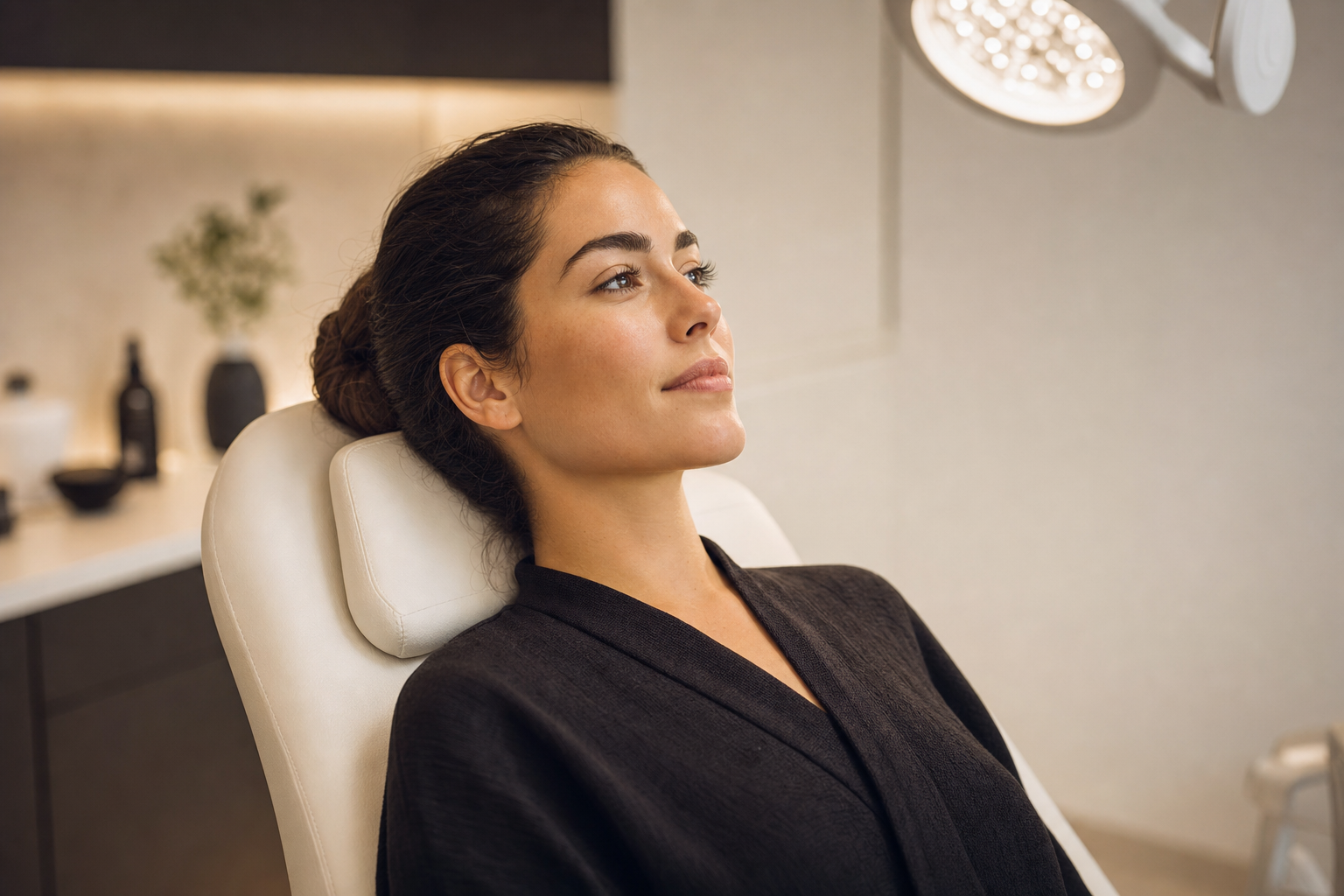
The supervision in a clinic setting is what allows a peel to safely reach further than anything formulated for home use.
Matching the Acid to Your Specific Concern
With the acid families and the at-home versus clinic distinction in mind, here is how to choose based on what you are actually trying to address.
✦
Dullness and rough texture
A weekly glycolic or mandelic peel at home is usually all this concern needs. Used consistently over six to eight weeks, it accelerates cell turnover and produces a smoother, brighter surface without meaningful downtime. The Ordinary and Paula’s Choice both offer well-formulated options in this category.
✦
Congestion and acne-prone skin
Salicylic acid’s oil solubility makes it the clear choice here, since it can travel into the pore itself rather than sitting on the surface. As the Belldiva skin barrier repair guide covers, pairing it with a barrier-supportive moisturiser prevents over-exfoliation. Paula’s Choice remains one of the most established names in salicylic formulation.
✦
Melasma and stubborn pigment
This is the concern where the evidence most clearly favours a clinic visit. As the Belldiva hyperpigmentation guide covers, multi-pathway intervention consistently outperforms a single ingredient, and a supervised TCA peel paired with active ingredients reflects exactly that approach. Dr. Brandt ✦ and Murad both produce professional-strength resurfacing formulations suited to this category.
✦
Men’s skin and post-shave texture
Razor bumps, ingrown hairs, and uneven texture along the jawline respond well to a regular salicylic or glycolic routine, since the same exfoliating action that clears congestion also keeps follicles from becoming blocked after shaving. Brickell and Lumin both formulate exfoliating products designed around this exact concern.

Matching the right acid to the right concern matters more than reaching for the strongest option on the shelf.
The right peel is never the strongest one available. It is the one matched honestly to what your skin is actually dealing with.
Preparing for and Recovering From a Clinic Peel
Use this chemical peel guide as a starting checklist before your appointment, and pair it with whatever specific instructions your provider gives you.
What this chemical peel guide recommends before your appointment
Pause retinoids and any at-home exfoliating acids for five to seven days beforehand. Pre-sensitised skin can react unpredictably to a stronger formula. Avoid significant sun exposure in the week leading up to your appointment. Also tell your provider about any history of cold sores, isotretinoin use, or pregnancy.
Each of these can change which peel is appropriate. A patch test is standard practice for a first-time clinic peel. In particular, this matters for deeper skin tones, where the risk of post-inflammatory pigment requires extra care.
What recovery looks like by depth
A superficial peel typically produces mild pinkness and light flaking for two to three days. This is similar to a sunburn beginning to peel. By comparison, a medium-depth TCA peel produces a temporary white “frosting” during treatment itself.
Visible peeling follows for five to seven days, and redness can take one to two weeks to fully settle. Regardless of depth, broad-spectrum SPF is non-negotiable afterward. Freshly resurfaced skin is significantly more vulnerable to UV damage and rebound pigmentation than it was before treatment.
Normal Healing vs When to Call Your Provider
Normal healing
Light flaking or peeling ✓
Tightness and mild pinkness ✓
Gradual fading of redness within days ✓
Call your provider
Fluid-filled blistering ✗
Pain that worsens rather than eases ✗
Signs of infection, including warmth or spreading redness ✗
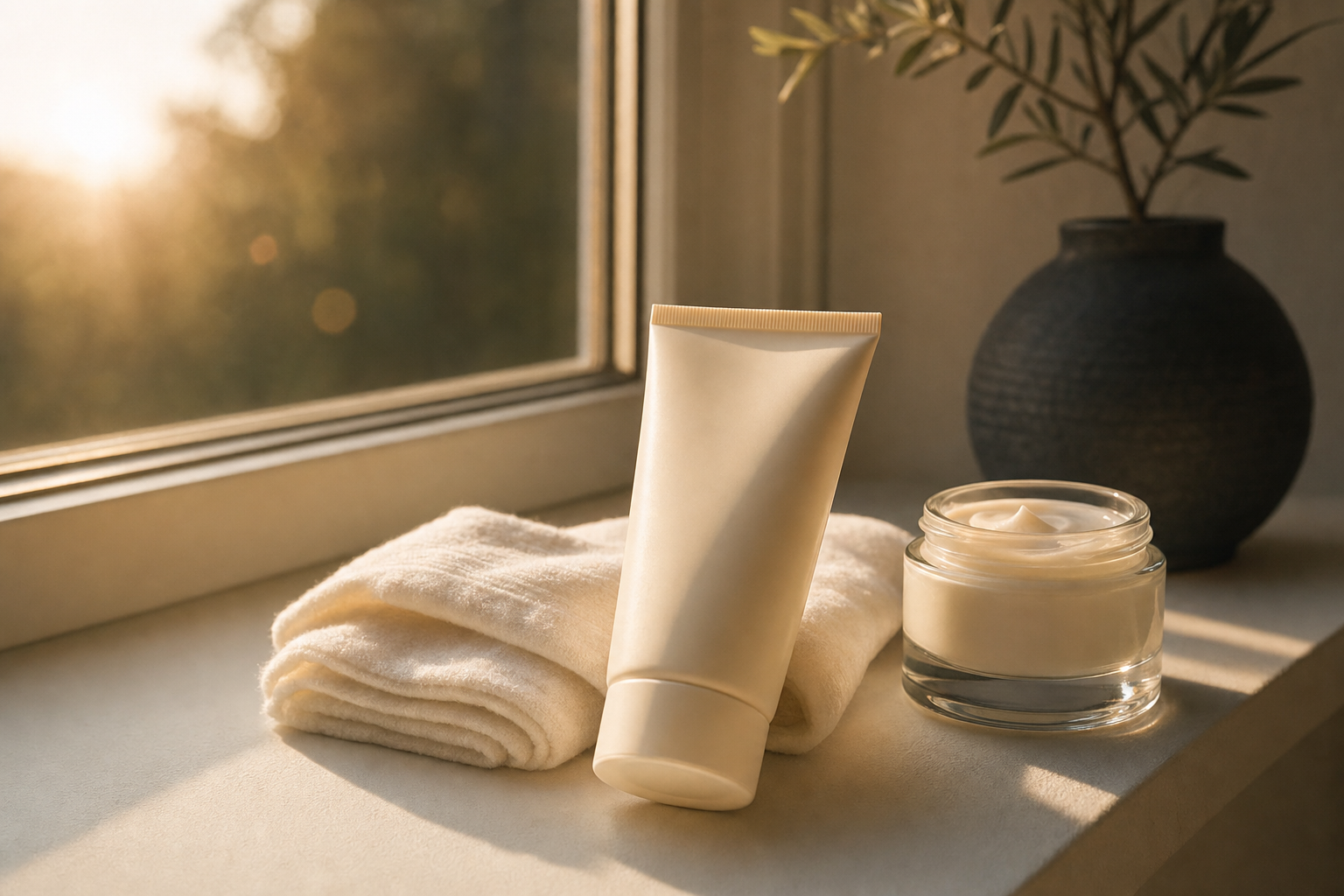
Whatever strength of peel you choose, the days afterward matter as much as the treatment itself. Gentle care and consistent SPF protect the results you just invested in.
At Belldiva, we believe the most considered skincare decisions come from understanding what is actually happening beneath the surface, not from chasing the strongest product on the shelf.
Common Questions About Chemical Peels
Direct answers to the questions this chemical peel guide gets asked most often, gathered from real comparisons between home and clinic options.
Questions about strength and safety
Can I combine an at-home peel with retinol?
Not on the same night. Both retinol and a peel acid increase cell turnover and sensitise the skin. Layering them raises the risk of irritation significantly. Instead, alternate them on different nights, or use the peel once weekly and retinol on the remaining evenings. If you notice redness or stinging, scale back the peel frequency before adjusting your retinol.
Is a TCA peel safe for deeper skin tones?
Yes, when performed by a provider experienced with deeper skin tones and started at a conservative concentration. Deeper skin carries a higher risk of post-inflammatory hyperpigmentation if a peel is too aggressive or aftercare is inconsistent. This is precisely why provider experience and diligent SPF use matter more than the specific percentage used.
Questions about results and using this chemical peel guide to plan ahead
How many sessions does it take to see results for melasma?
Current research tracked meaningful improvement over a twelve-week course of treatment, typically spaced two to four weeks apart. Melasma is also prone to relapse, so most providers recommend a maintenance plan once the initial course is complete, alongside consistent daily SPF, which remains the single most important factor in keeping results stable.
How often can I get a clinic chemical peel?
This depends entirely on depth. Superficial clinic peels are often spaced two to four weeks apart, while medium-depth TCA peels generally need four to six weeks between sessions to allow full healing. Your provider will adjust this schedule based on how your skin responds to the first treatment.
Sources and research references
Batool A, Seger AJ, Akhtar N, Mateen S, Amiruddin MU, Zain M. A Comparative Study of the Efficacy of Chemical Peels and Microneedling in the Treatment of Moderate to Severe Melasma. Cureus. December 2025. PMC12790136 | Sahu P, Dayal S, Bhardwaj N. Topical 5% Tranexamic Acid With 30% Glycolic Acid Peel: An Useful Combination for Accelerating the Improvement in Melasma. Dermatologic Therapy. 2021;34(6):e15107 | Rocio J, Pittet JC, Sachdev M, Kovylkina N, Deloche Bensmaine C, Passeron T. Evaluation of the Efficacy of a Serum Containing Niacinamide, Tranexamic Acid, Vitamin C, and Hydroxy Acid Compared to 4% Hydroquinone in the Management of Melasma. Journal of Cosmetic Dermatology. 2025;24:e70097. PMC11892338
Targeting Melasma: Innovations in Pigment Deposition and Photoaging in Cosmetic Dermatology. PMC. 2025. PMC12783984 | Heydari B, Meibodi GAH, Ardakani ME, Ramezani V, Heidari F. Randomized Clinical Trial on the Efficacy of Oral Tranexamic Acid Versus Topical Tranexamic Acid in Treatment of Melasma. Journal of Cosmetic Dermatology. 2025;24(9):e70428. PMC12418907
The information in this guide is for educational purposes and reflects research current to mid-2026. It does not constitute medical advice. Please consult a qualified dermatologist or licensed provider before beginning any peel treatment, particularly if you are managing a diagnosed skin condition, are pregnant, or have a history of pigment-related concerns.
Rooted in Care. Refined in You.
Explore Belldiva’s Curated Skincare Collection
Over 70 luxury brands in beauty, skincare, hair, and wellness. Every brand chosen for genuine excellence and real results.
Belldiva’s Curated Beauty and Wellness Brands
All Belldiva Brands
Huda Beauty
Charlotte Tilbury
Sephora
MAC
Dior
Katini Skin
Ultra Violette
NYX Cosmetics
The Ordinary
Verb Products
BK Beauty
Prada Beauty
Estée Lauder
Vasanti Cosmetics
Brickell
Lumin
Blu Atlas
Liomen
Jaxon Lane
Beardbrand
Scotch Porter
Bevel
Menfirst
Atlas
SkinCeuticals
Lululemon
Mindful
Headspace
Calm
Fitbit
MyFitnessPal
Noom
Peloton App
Organifi
Ritual
HUM Nutrition
Nike
YSL (Saint Laurent Beauty)
Lancôme
Clinique
NARS
Elizabeth Arden ✦
Victoria Beckham Beauty
Make Up For Ever
Valentino Beauty
Bobbi Brown
Shiseido
Benefit Cosmetics
Smashbox
Kylie Cosmetics
Urban Decay
Sigma Beauty
Stila ✦
Clarins
Tarte Cosmetics
PUR Cosmetics
Glossier
Elemis London
Kiehl’s
Murad
Paula’s Choice
Viori Beauty ✦
Life Extension
Lumen
Fiji Water
Anastasia Beverly Hills
Serious Skincare
Qure Skincare
Armani Beauty
Dr. Brandt ✦
chemical peel guide
chemical peels
TCA peel
glycolic acid peel
salicylic acid peel
melasma treatment
in-clinic peel
skin resurfacing
professional skincare treatments
Belldiva skincare