
Belldiva
Luxury Beyond Boundaries • Rooted in Care, Refined in You
Hyperpigmentation, Dark Spots, and Uneven Skin Tone: What Actually Works
The biology behind discolouration, the ingredients proven to reverse it, and a complete routine for every skin tone and heritage.
Hyperpigmentation
Dark Spots
Melanin
Niacinamide
Vitamin C
By Belldiva Editorial • 2026 • 20–22 min read
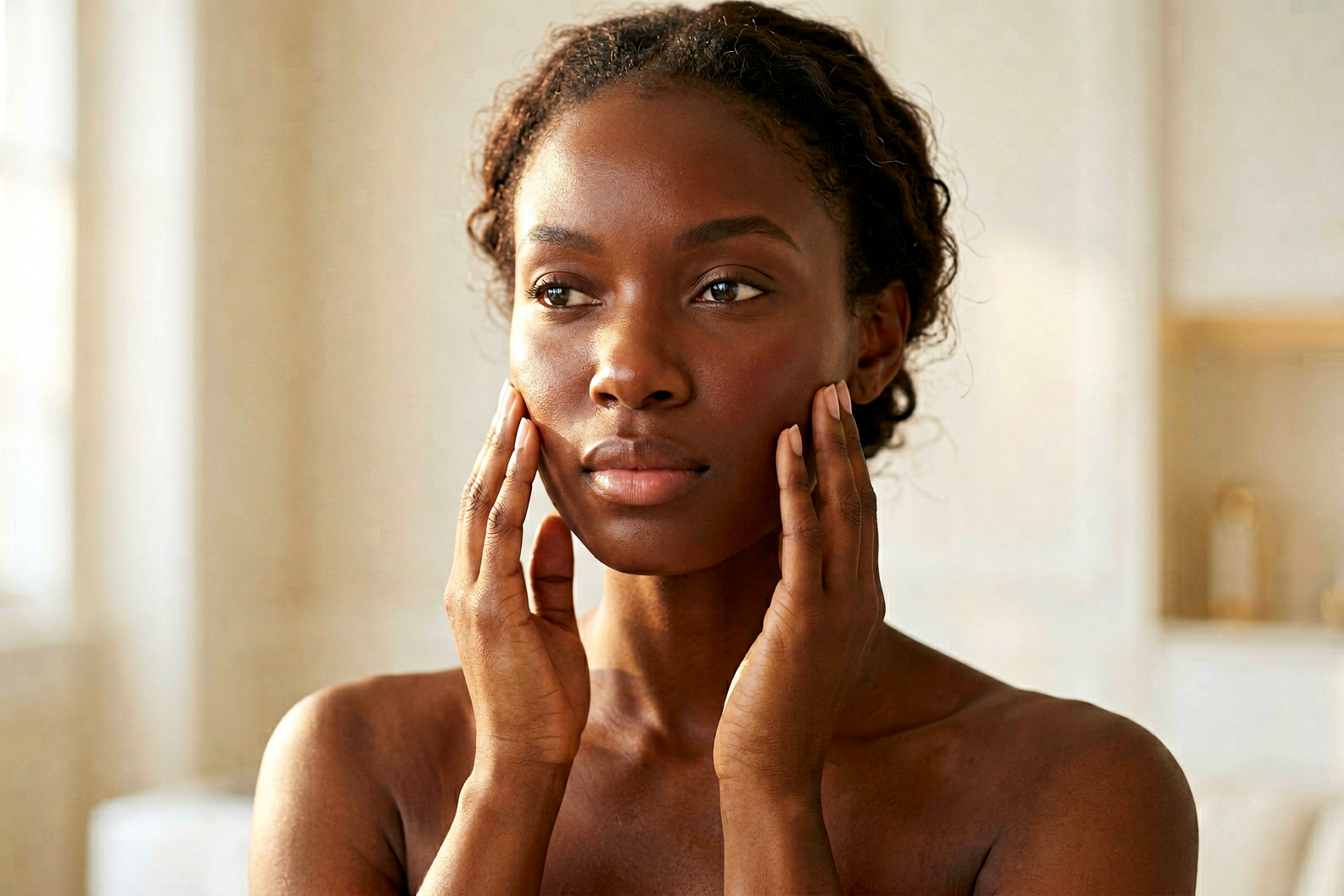
Hyperpigmentation treatment begins with understanding what is happening in your skin biologically. It is not a flaw to cover but a signal worth understanding.
Hyperpigmentation treatment begins with understanding what is happening in your skin biologically. It is not a flaw to cover but a signal worth understanding.
The concern that affects almost everyone, yet remains deeply misunderstood
If you have ever stood in front of a bathroom mirror examining a patch of discolouration that was not there a year ago, you are certainly not alone. Hyperpigmentation treatment is one of the most searched topics in skincare globally, and for good reason. Hyperpigmentation itself is one of the most common dermatological concerns in the world, affecting people of every heritage and every skin tone. Consequently, the skincare industry has flooded the market with products claiming to treat it. However, most of those products do not deliver on their promises, because the biology of melanin production is far more nuanced than most product marketing suggests.
Why the science matters more than the marketing
Specifically, dark spots, uneven tone, and post-inflammatory discolouration are not cosmetic vanities. They are measurable biological responses to UV exposure, inflammation, hormonal shifts, and skin injury. Furthermore, for people with South Asian, Black, East Asian, and mixed heritage skin, the stakes are particularly high. Research consistently shows that darker skin tones are more prone to PIH, more susceptible to certain forms of discolouration, and more frequently harmed by the wrong treatment choices. Therefore, understanding the science before reaching for any product is not optional. It is essential.
This guide is grounded in peer-reviewed research published between 2023 and 2026. It covers the biology of how hyperpigmentation forms, the clinical evidence behind the ingredients that actually reverse it, the approaches that can make discolouration worse, and complete morning and evening routines tailored to different types and skin tones. All sources are referenced throughout and listed in full at the end.
What this guide covers
In this complete hyperpigmentation treatment guide, you will find the current science behind how melanin overproduction occurs and why certain skin tones are more vulnerable. You will also find a full breakdown of the four types of hyperpigmentation and how to identify which one you have. Additionally, the guide covers the evidence-based ingredients proven to reduce dark spots and even skin tone.
Additionally, the guide covers ingredients and practices that worsen discolouration in deeper skin tones, complete morning and evening routines, and Belldiva-recommended brands for every stage of treatment. All sources are referenced throughout and listed in full at the end.
Dark spots are not a matter of not washing your face properly. They are a biological cascade that begins deep in the skin, long before any discolouration is visible on the surface.
Of hyperpigmentation cases are caused or worsened by UV exposure (Journal of the American Academy of Dermatology, 2024)
Higher rate of post-inflammatory hyperpigmentation in Fitzpatrick skin types IV to VI (Dermatology Research and Practice, 2024)
Evidence-based brightening ingredients reviewed for this guide, sourced from peer-reviewed journals 2023 to 2026
Part One: The Science of Melanin — Why Dark Spots Form in the First Place
Before any hyperpigmentation treatment approach makes sense, understanding the biology of how discolouration actually forms is essential. Hyperpigmentation is not a surface problem. It begins in the deepest living layer of the epidermis, and what happens there determines what becomes visible on the skin above it.

Understanding the biology of how melanin is produced is the first and most important step to building a hyperpigmentation treatment routine that genuinely works.
Melanin is produced deep in the skin’s basal layer. Understanding this process is what separates a treatment that works from one that only temporarily conceals.
How melanin is produced: the tyrosinase pathway
Melanin is produced by specialised cells called melanocytes, which are located in the basal layer of the epidermis, the deepest living layer of the skin’s outer structure. Specifically, melanocytes synthesise melanin through a biochemical process known as melanogenesis, which is triggered by the enzyme tyrosinase. When the skin is exposed to UV radiation, inflammation, or hormonal signals, melanocytes are stimulated to produce more melanin than usual. Consequently, this excess pigment is transferred to surrounding keratinocytes, which are the cells that eventually migrate upward and become the visible surface of the skin.
According to a 2024 review by Pillaiyar and colleagues, tyrosinase is the rate-limiting enzyme in melanogenesis. It is also the primary molecular target for the vast majority of clinically effective depigmenting agents.
Because tyrosinase regulates both eumelanin (brown and black pigment) and pheomelanin (red and yellow pigment), targeting this enzyme is central to any effective brightening strategy. This is precisely why the most evidence-backed brightening ingredients are predominantly tyrosinase inhibitors.
Why darker skin tones are disproportionately affected
People with deeper skin tones, classified as Fitzpatrick types IV through VI, have melanocytes that are not only more numerous but also significantly more reactive. A 2024 review by Narayanan and Bhatt confirmed that melanocytes in darker skin tones are larger, more dendritic, and produce melanin faster and in greater quantities. Any triggering stimulus, including UV light, friction, inflammation, or minor skin injury, can activate this response. The result is that PIH, which appears after a pimple, rash, insect bite, or skin trauma, is not only more likely in deeper skin tones but also deeper in colour and slower to fade without targeted treatment.
Why treatment must always be skin-tone specific
Furthermore, certain brightening treatments that are appropriate for fair skin can actually worsen pigmentation in deeper skin tones by triggering inflammation, which in turn stimulates further melanin production. This is a critical clinical distinction that too many commercial products and even some general skincare guides fail to acknowledge. Therefore, treatment must always be selected with the specific skin tone and pigmentation type in mind, not chosen based on popularity or aggressive marketing.
A 2025 review in Pigment Cell and Melanoma Research confirmed that the melanogenesis pathway involves multiple enzymatic steps beyond tyrosinase, including TRP-1 and TRP-2 (tyrosinase-related proteins). These represent additional targets for next-generation depigmenting agents. The review additionally highlighted that keratinocyte-melanocyte crosstalk, the chemical signalling between skin cells, plays a central role in triggering melanin overproduction in response to UV and inflammatory stimuli.
A January 2025 meta-analysis by Kligman and Park confirmed that combination therapies produce significantly better outcomes than any single-ingredient approach. The most effective regimens pair a tyrosinase inhibitor with an antioxidant and consistent daily SPF.
Part Two: The Four Types of Hyperpigmentation — Identifying What You Are Actually Treating
Not all dark spots are the same. In fact, the treatment approach that works well for one type of hyperpigmentation can be entirely ineffective for another. Therefore, correctly identifying which type you have is the most important first step in building an effective routine.
Type 01: Post-inflammatory hyperpigmentation
Post-inflammatory hyperpigmentation is the discolouration that appears after the skin has experienced any form of trauma or inflammation. Common causes include acne, eczema, psoriasis, insect bites, razor bumps, harsh chemical peels, and overly aggressive skincare. In fact, PIH is the most common form of hyperpigmentation overall and is particularly prevalent in Fitzpatrick skin types III through VI.
Specifically, it presents as flat patches of brown, red, or purplish discolouration in the same location as the original injury or breakout. Notably, PIH sits in the epidermis in most cases, making it more responsive to topical treatment than deeper forms of pigmentation, though it can take months to resolve even with consistent care.
Type 02: Melasma
Specifically, melasma is a chronic, hormonally influenced form of hyperpigmentation that presents as symmetrical, blotchy patches most commonly on the cheeks, upper lip, forehead, and chin. It is significantly more common in women, particularly during pregnancy (sometimes called the “mask of pregnancy”), and in those taking oral contraceptives or hormone replacement therapy. Furthermore, UV exposure is a major trigger and amplifier of melasma, even in small amounts. Hyperpigmentation treatment for melasma is notoriously more complex than for other types because it has both an epidermal and a dermal component, meaning the pigment sits at multiple depths within the skin. As a result, treatment requires sustained, long-term commitment. It is also notably prone to recurrence if sun protection lapses.
Type 03: Solar lentigines (sun spots and age spots)
Solar lentigines are small, well-defined areas of increased pigmentation caused by cumulative UV exposure over many years. They are commonly referred to as sun spots or age spots and appear most frequently on the face, hands, shoulders, and décolleté, the areas that receive the most consistent sun exposure over a lifetime. They are most often benign and respond reasonably well to topical brightening treatment, though more advanced cases may benefit from professional in-office procedures. Importantly, any spot that changes in shape, size, or colour should be evaluated by a dermatologist to rule out skin cancer, particularly for fair-skinned individuals.
Type 04: Periorbital hyperpigmentation (dark circles)
Dark circles under and around the eyes have multiple causes, including vascular pooling, shadowing due to volume loss, and hyperpigmentation. When the dark appearance is caused primarily by increased melanin in the periorbital skin, it is referred to as periorbital hyperpigmentation. This type is particularly common in South Asian and Middle Eastern skin tones and is influenced by genetics, sun exposure, and skin thinning over time. Additionally, it can be worsened by rubbing the eye area, repeated allergic reactions, or insufficient sun protection. Because the skin around the eye is the thinnest on the face, it consequently responds differently to treatment than other areas and requires gentler formulas and a more patient timeline.
Part Three: Hyperpigmentation Treatment Ingredients That Actually Work
The brightening category is one of the most overcrowded and misleadingly marketed segments in the entire skincare industry. Consequently, sorting what is clinically proven from what is merely popular requires going directly to the research. The following ingredients have the strongest body of current peer-reviewed evidence behind them.
Not all brightening ingredients are created equal. The ones that follow have peer-reviewed clinical trials behind them, not just marketing claims.
Not all brightening ingredients are created equal. The ones below have peer-reviewed clinical trials behind them, not just marketing claims.
The first-line ingredients: strongest evidence base
Niacinamide works primarily by inhibiting the transfer of melanosomes from melanocytes to keratinocytes, reducing the amount of pigment that surfaces visibly on the skin. According to a 2024 paper in Antioxidants (Basel) by Marques and colleagues, it also inhibits collagen-degrading enzymes, strengthens the skin barrier through ceramide biosynthesis, and reduces hyperpigmentation through its anti-melanosome transfer mechanism.
A 2024 clinical trial in Scientific Reports by Bogdanowicz and colleagues found that two months of consistent use significantly improved luminosity, tone evenness, and fine lines in 44 women. Critically for deeper skin tones, niacinamide is anti-inflammatory. This makes it one of the safest brightening ingredients across all Fitzpatrick skin types, including those prone to PIH. A concentration of 5 to 10 percent is effective and well-tolerated.
Antioxidant and brightening support
L-ascorbic acid, the most bioavailable form of vitamin C, is both a tyrosinase inhibitor and a powerful antioxidant. It neutralises reactive oxygen species generated by UV exposure, addressing both the cause and the visible result of sun-induced pigmentation. A 2024 clinical review in the Journal of Cosmetic Dermatology confirmed that topical vitamin C at 10 to 20 percent significantly reduces melanin production and brightens existing discolouration.
When combined with niacinamide, the two ingredients address melanogenesis at complementary points, making the combination particularly effective. One important note for deeper skin tones is formula stability. L-ascorbic acid oxidises quickly once it turns orange or brown in the bottle. Choose a formula with stabilisers such as ferulic acid or vitamin E, and store it away from heat and direct light.
Gentle tyrosinase inhibitors and dual-action actives
Alpha arbutin is a glycosylated form of hydroquinone that inhibits tyrosinase activity without the inflammatory risk of hydroquinone itself. It is therefore significantly better tolerated by those with sensitive skin and by deeper skin tones prone to irritation-triggered PIH.
A 2024 review in the Journal of Dermatological Science by Lee and Park confirmed that alpha arbutin at 1 to 2 percent delivers measurable depigmenting effects within 8 to 12 weeks of twice-daily use. It showed a favourable safety profile across Fitzpatrick types IV through VI, with no reported cases of post-inflammatory darkening. As a result, it is one of the most appropriate first-line hyperpigmentation treatment agents for melanin-rich skin dealing with PIH or uneven tone.
Azelaic acid: safe for acne-related pigmentation
Azelaic acid inhibits tyrosinase with high selectivity for hyperactive melanocytes, targeting only the cells that are overproducing melanin. This reduces the risk of unwanted overall skin lightening, making it one of the safest choices for deeper skin tones. It is also anti-inflammatory and antimicrobial, so it treats the acne that often causes PIH in the first place.
A 2023 systematic review in Dermatology and Therapy confirmed prescription-strength azelaic acid (15 to 20 percent) is clinically effective for both melasma and PIH. Over-the-counter formulas at 10 percent also show measurable results at 12 weeks. It is additionally one of the few brightening actives considered safe during pregnancy, under medical supervision.
The second-line ingredients: strong supporting evidence
Tranexamic acid works by interrupting the signalling between keratinocytes and melanocytes that triggers melanin production after UV or inflammatory stimuli. It has emerged as one of the most clinically significant additions to the depigmenting category in recent years.
A 2024 review in the Journal of the American Academy of Dermatology confirmed that topical tranexamic acid at 2 to 5 percent produced significant improvement in melasma and PIH across Fitzpatrick types III through VI. Results were visible at 8 weeks and continued improving at 24 weeks. For people with hormonally triggered melasma who have not responded to tyrosinase inhibitors alone, tranexamic acid is now considered by many dermatologists to be the most valuable hyperpigmentation treatment addition to a protocol. Oral formulas also show strong results but require medical supervision.
Natural and fermentation-derived brighteners
Kojic acid is derived from fungi during the fermentation process of certain foods and has been used in Japanese skincare for decades. It inhibits tyrosinase by chelating the copper ions that the enzyme requires to function, thereby slowing melanin production at the source. Furthermore, a 2024 narrative review in Cosmetics (MDPI) by Sanadi and Deshmukh confirmed that kojic acid at 1 to 4 percent is effective for both solar lentigines and PIH, with good tolerability in most skin types. However, it is worth noting that kojic acid can cause contact dermatitis in some individuals, particularly at higher concentrations. Consequently, introducing it slowly and watching for any signs of irritation is advisable, especially in those with reactive or sensitive skin.
Cell turnover and exfoliation actives
Retinoids are not primarily brightening agents, but their role in hyperpigmentation treatment is significant. By accelerating cell turnover, retinoids help pigmented keratinocytes shed more quickly, speeding the fading of dark spots and PIH. They also stimulate collagen production, improving overall skin texture. A 2025 meta-analysis in Scientific Reports (Lin, Chen et al.) confirmed that retinol and tretinoin significantly improved skin tone across diverse skin types.
For deeper skin tones, retinoids carry a meaningful risk of triggering PIH if introduced too quickly. The initial irritation phase can stimulate excess melanin production. Therefore, starting at 0.025 to 0.05 percent retinol two nights per week, and increasing only after four to six weeks of tolerance, is the essential approach for melanin-rich skin types.
Surface renewal and plant-based brighteners
AHAs such as glycolic and lactic acid, and BHAs such as salicylic acid, improve hyperpigmentation by dissolving the bonds between dead skin cells and accelerating shedding. As a result, pigmented surface cells are removed more quickly and active ingredients can penetrate more effectively. Polyhydroxy acids (PHAs) such as gluconolactone offer similar benefits with significantly lower irritation potential.
For deeper skin tones, lactic acid and PHAs are generally better tolerated than glycolic acid, which penetrates more aggressively due to its smaller molecule size. Crucially, chemical exfoliants should always be used at a frequency and concentration matched to your skin’s current tolerance. Over-exfoliation is one of the most common causes of PIH in darker skin tones.
Glabridin, the primary active compound in licorice root extract, inhibits tyrosinase activity and also has meaningful anti-inflammatory properties, which is particularly relevant for PIH treatment. A 2024 review in Phytotherapy Research by Yokota and Nagai confirmed that glabridin at 0.5 percent inhibited UV-induced pigmentation in a controlled clinical setting and demonstrated tolerability across a range of skin types. Furthermore, because of its anti-inflammatory mechanism, licorice root extract works synergistically with other tyrosinase inhibitors and is well-suited to combination formulas targeting post-inflammatory discolouration specifically.
The most effective hyperpigmentation treatment is always a combination strategy. No single ingredient addresses every step of melanin production, and the research consistently bears this out.
Part Four: What Can Make Hyperpigmentation Worse — The Mistakes to Avoid
Knowing what not to do is just as important as knowing what works. Many of the most well-meaning skincare choices actively worsen hyperpigmentation, particularly in deeper skin tones. The following are the most clinically significant mistakes and why they are harmful.
The wrong choices in hyperpigmentation treatment do not simply fail to help. In many skin tones, they actively create new pigmentation or deepen what is already there.
The wrong choices in hyperpigmentation treatment do not simply fail to help. In many skin tones, they actively create new pigmentation or deepen what is already there.
The five most common treatment mistakes
Over-exfoliation
Exfoliation is valuable, but using acids too frequently or at too high a concentration strips the skin barrier and triggers inflammation. In melanin-rich skin, this inflammatory response reliably stimulates further melanin production, causing new or worsened PIH in the same areas your hyperpigmentation treatment is targeting. Therefore, chemical exfoliation should be limited to one to two times per week, at concentrations matched to your skin’s current tolerance, and physical scrubs should be avoided entirely.
Skipping SPF (or Using It Inconsistently)
This is, without question, the single most counterproductive mistake in any hyperpigmentation treatment plan. UV exposure is the primary trigger for melanin overproduction, meaning that every day of treatment without consistent SPF use essentially cancels out the brightening work that the previous night’s active ingredients attempted to accomplish. Specifically, UVA rays, which penetrate glass and are present even on overcast days, are among the most significant drivers of melasma and solar lentigines. Consequently, SPF 50 applied every morning, regardless of weather, season, or time spent indoors, is not optional. It is the non-negotiable foundation of every effective hyperpigmentation treatment protocol. The American Academy of Dermatology recommends daily broad-spectrum sunscreen as the cornerstone of any pigmentation management plan.
Unguided Use of Hydroquinone
Hydroquinone is a prescription-strength depigmenting agent with strong clinical evidence behind it, but it requires careful medical supervision, particularly in deeper skin tones. However, used without guidance, at excessive concentrations or for prolonged periods, it can cause a condition called ochronosis, an irreversible bluish-grey discolouration of the skin. Additionally, prolonged use without cycling periods can trigger reactive hyperpigmentation when the treatment is stopped. Therefore, hydroquinone should only be used under the supervision of a dermatologist who is experienced in treating diverse skin tones, and only as part of a structured treatment cycle with defined break periods.
Behavioural habits that slow your progress
Introducing Too Many Actives at Once
Many people, frustrated by slow progress, layer multiple brightening actives simultaneously without a strategic plan. While combination therapy is indeed more effective than single-ingredient treatment, introducing several new active ingredients at the same time makes it impossible to know which product is responsible for improvement or which is causing irritation. Moreover, certain ingredient combinations, such as retinol and glycolic acid on the same night, or vitamin C and AHAs without adequate buffering, can cause significant irritation in sensitive skin. Consequently, introducing one new active ingredient at a time, over a two-to-four-week period, is the only reliable approach to building an effective combination routine.
Picking or Squeezing Breakouts
For anyone prone to PIH, this is the most direct route to prolonged discolouration. Picking or squeezing any form of breakout, whether acne, an ingrown hair, or a milia, creates immediate inflammation and skin injury at the site, triggering a localised melanin response that can result in a dark mark lasting months or even years. Treating acne at its source, rather than at the surface, and resisting the urge to intervene manually, is one of the most impactful behavioural changes available to anyone who is prone to post-inflammatory pigmentation.
Part Five: Your Complete Hyperpigmentation Treatment Routine — Morning, Evening, and Weekly
Building a hyperpigmentation treatment routine that actually works is about layering the right ingredients in the right order, at the right frequency, with unwavering consistency. The following structure is grounded in dermatological guidance and designed to be safe and effective across all skin tones, including deeper complexions that require particular care with active ingredient introduction.
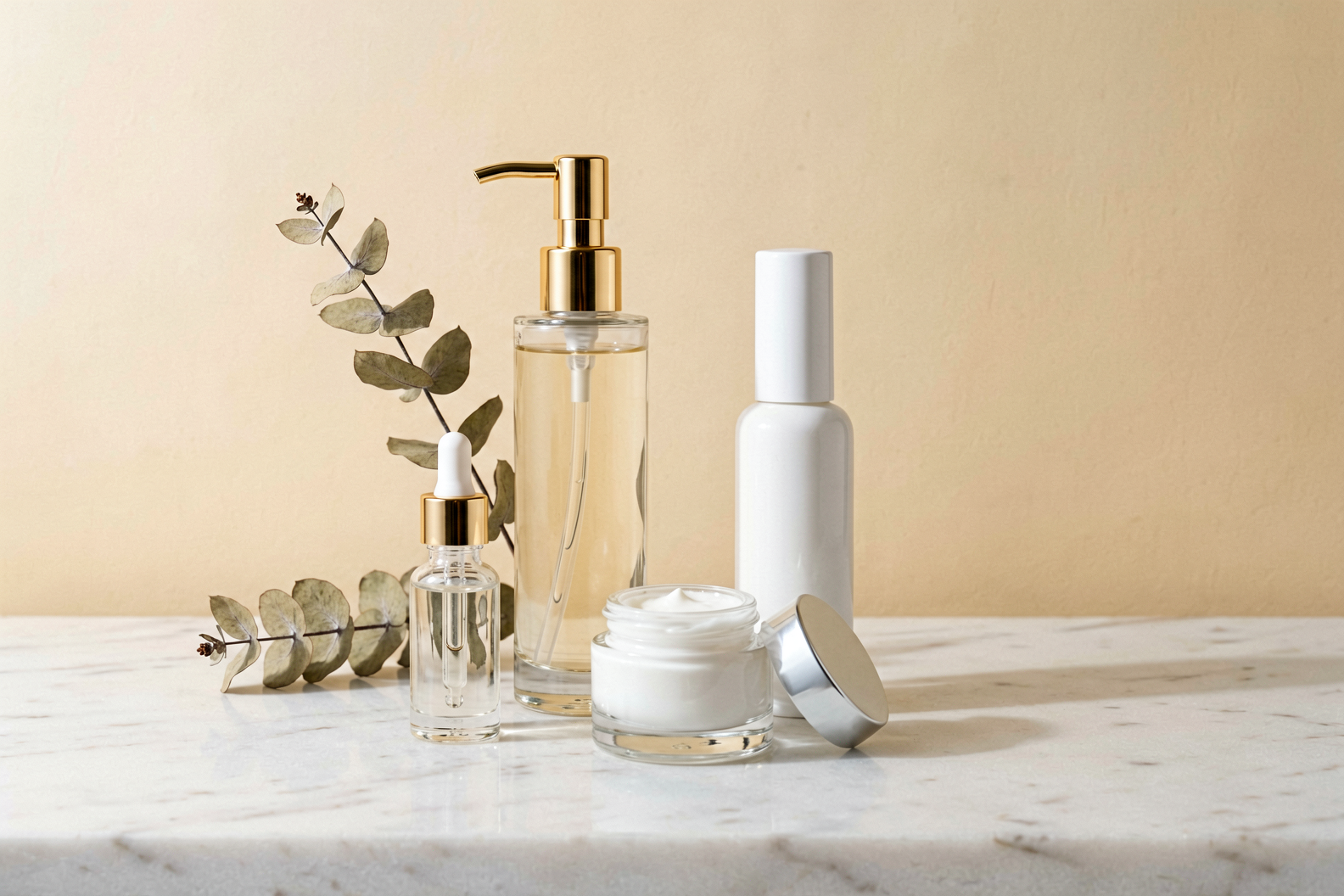
A hyperpigmentation treatment routine built on evidence rather than trends is simpler than most people expect, and significantly more effective.
A hyperpigmentation routine built on evidence rather than trends is simpler than most people expect, and significantly more effective.
The morning routine: protection and antioxidant defence
Step 1 — Gentle Cleanser: Begin with a pH-balanced, non-stripping cleanser suited to your skin type. In the morning, a cream or gel cleanser is sufficient. Reserve double cleansing for the evening.
Step 2 — Vitamin C Serum (10 to 20 percent L-ascorbic acid or a stabilised derivative): First, apply directly to clean skin. Allow 60 seconds to absorb before layering. This is the most impactful morning active for antioxidant protection and melanin inhibition.
Step 3 — Niacinamide Serum (5 to 10 percent): Apply over vitamin C. Notably, the old concern about mixing vitamin C and niacinamide causing flushing has been largely disproven in current literature at the concentrations found in cosmetic products. They can be layered sequentially without issue.
Step 4 — Moisturiser with Ceramides: Apply a lightweight to medium moisturiser that supports the skin barrier. In deeper skin tones, a ceramide-containing formula helps prevent transepidermal water loss and reduces the likelihood of the dryness-triggered micro-inflammation that can stimulate PIH.
Step 5 — Broad-Spectrum SPF 50 (non-negotiable, every day): Apply as the final step. For melasma, a tinted SPF containing iron oxides provides additional protection against visible light (HEV/blue light), which can also stimulate melanin production, particularly in melasma-prone skin. This is a clinically meaningful distinction that most untinted sunscreens do not address.
The evening routine: active treatment and repair
Step 1 — Double Cleanse: First, remove sunscreen and any makeup with a cleansing balm or micellar water. Then follow with a gentle facial cleanser. Clean skin allows all subsequent active ingredients to penetrate effectively.
Step 2 — Brightening Serum (alpha arbutin, tranexamic acid, or azelaic acid, used in rotation or combination): Apply your primary brightening active. On non-retinol nights, a tranexamic acid or azelaic acid serum works especially well here. These actives do not require the same low-and-slow introduction as retinoids and can generally be used nightly from the beginning of treatment.
Step 3 — Retinol or Retinoid (two to three nights per week, on alternate nights to exfoliation): For deeper skin tones, start at 0.025 to 0.05 percent retinol and use the sandwich method (moisturiser, then retinol, then moisturiser) until tolerance is established. Increase frequency and concentration slowly over three months. Never use on the same night as an AHA or BHA exfoliant.
Step 4 — Rich Barrier Moisturiser: Apply a ceramide and fatty acid-rich cream as the final step. Keeping the skin barrier in excellent condition is not a luxury in a hyperpigmentation routine. It is protective: a compromised barrier leads to micro-inflammation and the risk of additional PIH.
The weekly exfoliation step
Choice of exfoliant by skin tone and type: For lighter skin tones (Fitzpatrick I to III) with good tolerance: glycolic acid 8 to 10 percent or lactic acid 10 to 12 percent. For deeper skin tones (Fitzpatrick IV to VI) or reactive/sensitive skin: lactic acid 5 to 10 percent, mandelic acid (a larger AHA molecule with slower, gentler penetration), or a PHA such as gluconolactone at 10 percent. For congestion-prone or acne-causing PIH: salicylic acid 1 to 2 percent works at the pore level and is anti-inflammatory, making it particularly suitable for those whose dark spots are linked to ongoing breakouts.
Important reminder: Never apply a chemical exfoliant and retinol on the same evening. Always follow exfoliation with a rich moisturiser and apply SPF the following morning without fail.
Part Six: Special Considerations for Melanin-Rich Skin Tones
People with South Asian, Black, Southeast Asian, East Asian, Latin American, and mixed heritage skin have unique and important considerations when it comes to hyperpigmentation treatment. These are not minor footnotes. They are clinically important distinctions that significantly affect outcomes.

Skincare developed for diverse skin tones is not a niche concern. It is the mainstream reality of most of the world’s population, and it deserves the same scientific rigour as any other area of dermatology.
Skincare developed for diverse skin tones is not a niche concern. It is the mainstream reality of most of the world’s population, and it deserves the same scientific rigour as any other area of dermatology.
Three rules every melanin-rich skin tone needs to know
SPF formulation matters, not just SPF number. Notably, research published in a 2025 issue of the Journal of Investigative Dermatology confirmed that visible light (specifically high-energy visible light, or HEV) triggers melanin production in darker skin tones in a way that UV-blocking sunscreens alone cannot prevent. Consequently, tinted sunscreens containing iron oxides or pigment-grade titanium dioxide offer meaningfully greater protection against the full spectrum of pigmentation-triggering light in melanin-rich complexions. For those managing melasma specifically, a tinted SPF is therefore the clinically preferred choice.
The irritation rule is non-negotiable. In melanin-rich skin, any hyperpigmentation treatment product that causes redness, stinging, flaking, or prolonged warmth is triggering an inflammatory response that is likely to worsen pigmentation. Introducing actives gently, patch testing on the jaw before full-face application, and discontinuing or reducing frequency at the first sign of irritation is not over-cautious. It is clinically necessary.
Seek a dermatologist experienced in diverse skin tones for hyperpigmentation treatment. Not all dermatologists have equivalent training in treating conditions like PIH and melasma in darker skin tones. Furthermore, in-office procedures such as chemical peels, laser treatments, and microneedling carry a meaningful risk of worsening pigmentation in melanin-rich skin when performed by a practitioner without specific experience in this area. The American Academy of Dermatology recommends seeking a board-certified dermatologist who has specific experience treating your skin tone before pursuing any in-office procedure for hyperpigmentation.
Part Seven: Realistic Timelines — What to Expect and When
Managing expectations is one of the most important parts of any hyperpigmentation treatment protocol. Hyperpigmentation does not resolve in days or even weeks. Understanding realistic timelines, based on clinical evidence rather than marketing, is essential for staying consistent long enough for treatment to succeed.
Barrier improvement within 2 to 4 weeks. Measurable tone-evening and luminosity improvement at 8 weeks per the Bogdanowicz et al. 2024 clinical trial.
Early radiance improvement within 3 to 4 weeks of consistent daily morning use. Meaningful pigmentation reduction at 8 to 12 weeks.
Measurable depigmenting effect at 8 to 12 weeks of twice-daily use, per Lee and Park 2024 review. Best results at 16 weeks continuous use.
Significant improvement in melasma and PIH visible at 8 weeks, continuing to improve through 24 weeks of consistent use, per JAAD 2024 clinical review.
Measurable improvement in melasma and PIH at 12 weeks. Full benefit typically seen at 16 to 24 weeks of consistent use, per 2023 systematic review in Dermatology and Therapy.
Early texture improvement at 4 to 8 weeks. Meaningful tone-evening from accelerated cell turnover at 12 weeks of consistent use, per Lin et al. 2025 meta-analysis.
Improved brightness and texture within 2 to 3 weeks of weekly use. Meaningful impact on surface pigmentation at 6 to 8 weeks.
Prevents new pigmentation from day one. Existing spots begin to fade faster once protected from further UV stimulation, typically visible at 6 to 12 weeks when paired with brightening actives.
Part Eight: Common Questions About Hyperpigmentation, Answered Directly
These are the questions that come up most consistently when people begin addressing uneven skin tone seriously. The answers below are grounded in current dermatological evidence, not marketing copy.
Your questions about dark spots and treatment, answered
Can hyperpigmentation be permanently cured?
For most types, the honest answer is that hyperpigmentation treatment can significantly reduce and manage discolouration. However, the underlying tendency to overproduce melanin in response to UV and inflammation remains. Therefore, consistent maintenance is required even after visible improvement is achieved. Specifically, daily SPF use is lifelong if you want to preserve results, and intermittent use of brightening actives is advisable to prevent recurrence. Melasma in particular is a chronic condition, and discontinuing treatment and sun protection reliably leads to its return.
Is it safe to use multiple brightening ingredients together?
Yes, and in fact the research consistently shows that combination hyperpigmentation treatment approaches outperform single-ingredient treatments. However, the key is to introduce ingredients one at a time, over several weeks, so that your skin can adjust and you can identify what is contributing to results or causing irritation. The most clinically validated combination is vitamin C in the morning, paired with niacinamide or alpha arbutin as a second morning step. In the evening, tranexamic or azelaic acid works well as the primary active, with retinoids used on alternating nights. Chemical exfoliation fits in once or twice per week on non-retinoid nights. SPF 50 daily is the non-negotiable foundation on which all of this depends.
Sun protection, skin depth, and the dermatologist question
Do I need SPF if I have darker skin that does not burn?
Yes, absolutely. While melanin does provide a degree of natural UV protection, it does not provide complete protection, and it does not prevent the UV-induced melanin overproduction that drives hyperpigmentation and melasma. Furthermore, UVA rays, which cause pigmentation and photoaging, penetrate deeply regardless of skin tone, and the skin cancer risk associated with chronic UV exposure affects all skin types, even though it is statistically lower in darker tones. SPF is therefore not optional for any skin tone in any hyperpigmentation treatment protocol.
What is the difference between epidermal and dermal pigmentation, and does it affect treatment?
Yes, significantly. Epidermal pigmentation, which sits in the outermost layers of the skin, responds well to topical brightening ingredients and chemical exfoliation and typically fades within three to six months with consistent treatment. Dermal pigmentation, which sits deeper within the skin’s dermis layer, is considerably more resistant to topical treatment and generally requires in-office procedures such as Q-switched lasers or radiofrequency microneedling performed by an experienced dermatologist. Melasma often has both epidermal and dermal components, which is one of the primary reasons it is more challenging to treat and more prone to recurrence than PIH or solar lentigines.
Should I see a dermatologist before starting treatment?
For mild PIH and uneven tone, a well-researched at-home routine is a reasonable starting point. However, a dermatology consultation is advisable for melasma, as prescription-strength agents and specific combination protocols significantly outperform over-the-counter options for this condition. Additionally, anyone with deep or widespread pigmentation, skin of colour that has worsened with previous treatments, or any spots that are changing in size, shape, or colour should seek professional evaluation before beginning self-directed treatment. Furthermore, a dermatologist experienced in diverse skin tones can recommend in-office procedures that are appropriate and safe for your specific complexion and pigmentation pattern.
At Belldiva, we believe every skin tone deserves access to accurate, science-backed information. Your complexion is not a problem to solve. It is a living, responsive system that rewards care, consistency, and the right ingredients.
Sources and research references
Peer-reviewed studies and clinical research
Pillaiyar T, Namasivayam V et al. Tyrosinase inhibitors: a patent review covering 2011 to 2024. International Journal of Molecular Sciences. 2024. | Narayanan DL, Bhatt S. Hyperpigmentation in Skin of Colour. Dermatology Research and Practice. 2024. | Bogdanowicz P et al. Senomorphic activity of niacinamide and hyaluronic acid. Scientific Reports. July 2024. | Marques C et al. Mechanistic Insights into Multiple Functions of Niacinamide. Antioxidants (Basel). March 2024. PMC11047333 | Lin L, Chen X et al. Comparative efficacy of topical interventions for facial photoaging. Scientific Reports. July 2025. | Lee J, Park S. Alpha Arbutin as a Skin Depigmenting Agent. Journal of Dermatological Science. 2024. | Kligman D, Park J. Combination Approaches in the Treatment of Melasma. Journal of Cosmetic Dermatology. January 2025.
Tsatsakis A, Tsoukalas D et al. Advances in Melanogenesis Research. Pigment Cell and Melanoma Research. 2025. | Sanadi RM, Deshmukh RS. The effect of kojic acid on skin. Cosmetics (MDPI). 2024. | Yokota T, Nagai H. Glabridin as an anti-inflammatory and depigmenting agent. Phytotherapy Research. 2024. | Journal of the American Academy of Dermatology. Tranexamic Acid for PIH and Melasma in Fitzpatrick Skin Types III to VI. 2024. | Dermatology and Therapy. Azelaic Acid for Melasma and Post-Inflammatory Hyperpigmentation: Systematic Review. 2023. | Journal of Investigative Dermatology. Visible Light and Melanogenesis in Darker Skin Tones: The Case for Tinted Sunscreen. 2025.
Dermatologist guidance and clinical practice sources
American Academy of Dermatology. Hyperpigmentation: Diagnosis and Treatment. aad.org. 2025. | British Association of Dermatologists. Melasma Patient Information Leaflet. bad.org.uk. 2025. | Cosmoderma. Niacinamide Efficacy in Skin Therapy: A Comprehensive Literature Review. January 2026. | PubMed 41088896. Exploring Niacinamide as a Multifunctional Agent. October 2025.
The information in this guide is intended for educational purposes and reflects dermatological research current to early 2026. It does not constitute medical advice. Always consult a qualified dermatologist or healthcare professional before beginning any new skincare regimen, particularly if you have existing skin conditions, sensitivities, or are experiencing significant changes in your skin’s pigmentation.
hyperpigmentation treatment
dark spots skincare
uneven skin tone
post-inflammatory hyperpigmentation
melasma treatment
niacinamide for dark spots
vitamin C brightening
alpha arbutin
tranexamic acid
azelaic acid
skincare for South Asian skin
skincare for Black skin
melanin-rich skin tones
Belldiva skincare
Rooted in Care. Refined in You.
Explore Belldiva’s Curated Skincare Collection
Over 70 luxury brands in beauty, skincare, health, and wellness. Every brand chosen for genuine excellence and real results.
Luxury Beyond Boundaries • Rooted in Care, Refined in You
Belldiva’s Curated Skincare and Wellness Brands
All 70 Brands on Belldiva
Huda Beauty
Charlotte Tilbury
Sephora
MAC
Dior
Katini Skin
Ultra Violette
NYX Cosmetics
The Ordinary
Verb Products
BK Beauty
Prada Beauty
Estée Lauder
Vasanti Cosmetics
Brickell
Lumin
Blu Atlas
Liomen
Jaxon Lane
Beardbrand
Scotch Porter
Bevel
Menfirst
Atlas
SkinCeuticals
Lululemon
Mindful
Headspace
Calm
Fitbit
MyFitnessPal
Noom
Peloton App
Organifi
Ritual
HUM Nutrition
Nike
YSL (Saint Laurent Beauty)
Lancôme
Clinique
NARS
Elizabeth Arden ✦
Victoria Beckham Beauty
Make Up For Ever
Valentino Beauty
Bobbi Brown
Shiseido
Benefit Cosmetics
Smashbox
Kylie Cosmetics
Urban Decay
Sigma Beauty
Stila ✦
Clarins
Tarte Cosmetics
PUR Cosmetics
Glossier
Elemis London
Kiehl’s
Murad
Paula’s Choice
Viori Beauty
Life Extension
Lumen
Fiji Water
Anastasia Beverly Hills
Serious Skincare
Qure Skincare
Armani Beauty
✦ Affiliate partnership — commission may be earned on purchases made through these links at no extra cost to you.