Hair Longevity: The Science of Keeping Your Hair Healthy for Decades, Not Days
How the scalp ages, what drives hair thinning and density loss, and the evidence-based actives and habits that support hair health over the long term.
Scalp Ageing
Density
Skinification
Men & Women
By Belldiva Editorial • 2026 • 14–16 min read
Hair longevity is the defining hair care conversation of 2026, and it is more than a trend. It is a fundamental shift in how the beauty and wellness industries understand the biology of hair. For most of living memory, hair care has focused on the strand: shine, texture, frizz, breakage. The emerging science positions the scalp as living, ageing skin. The hair follicle is now understood as an organ whose health can be actively supported or gradually degraded by the choices made over years and decades.
This guide covers the biology of how hair and the scalp age. It also covers the hormonal and oxidative drivers of density loss, the evidence-based actives that support hair longevity, and the role of skinification in reshaping how products are formulated. All clinical data referenced here is drawn from peer-reviewed research published between 2022 and 2026.
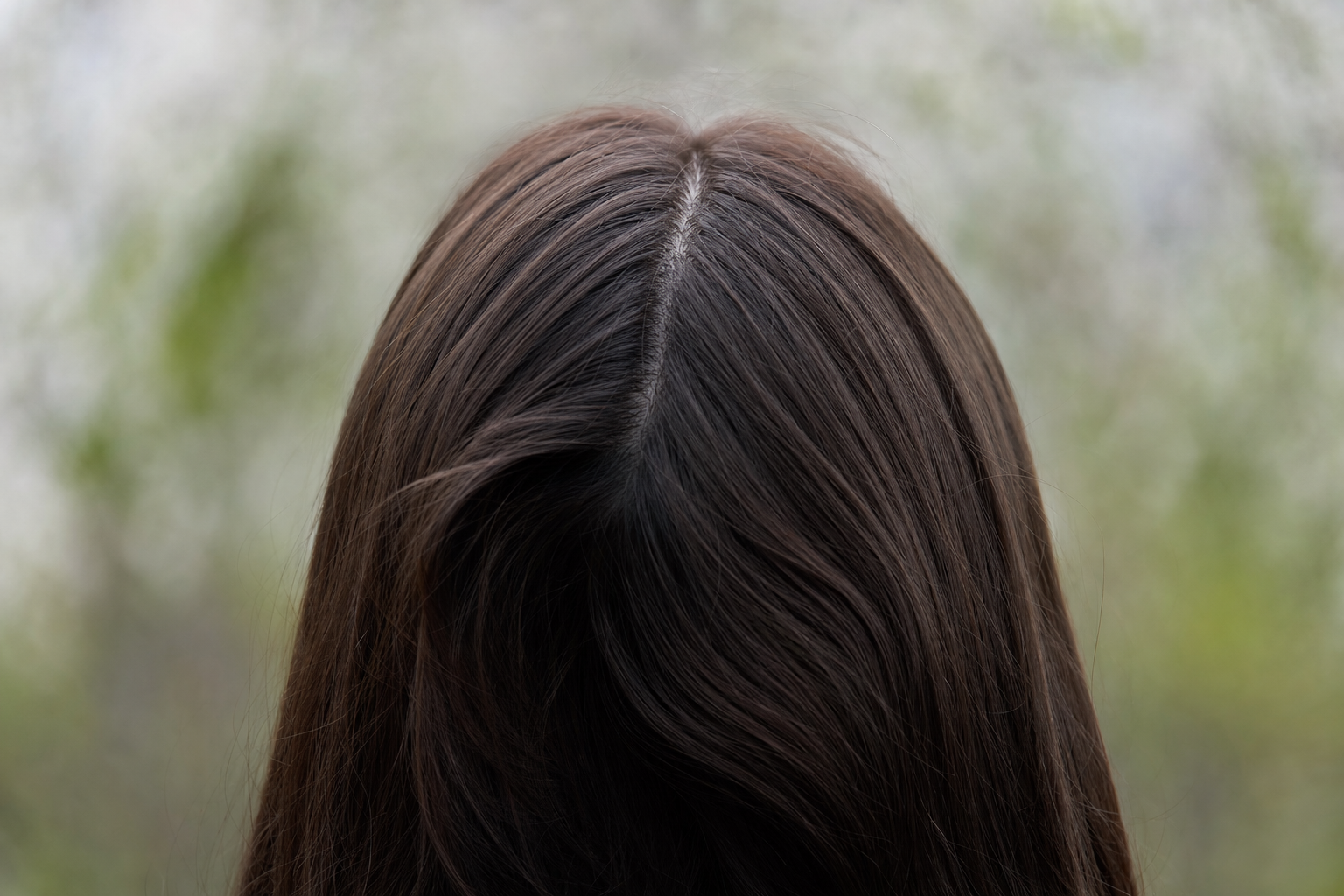
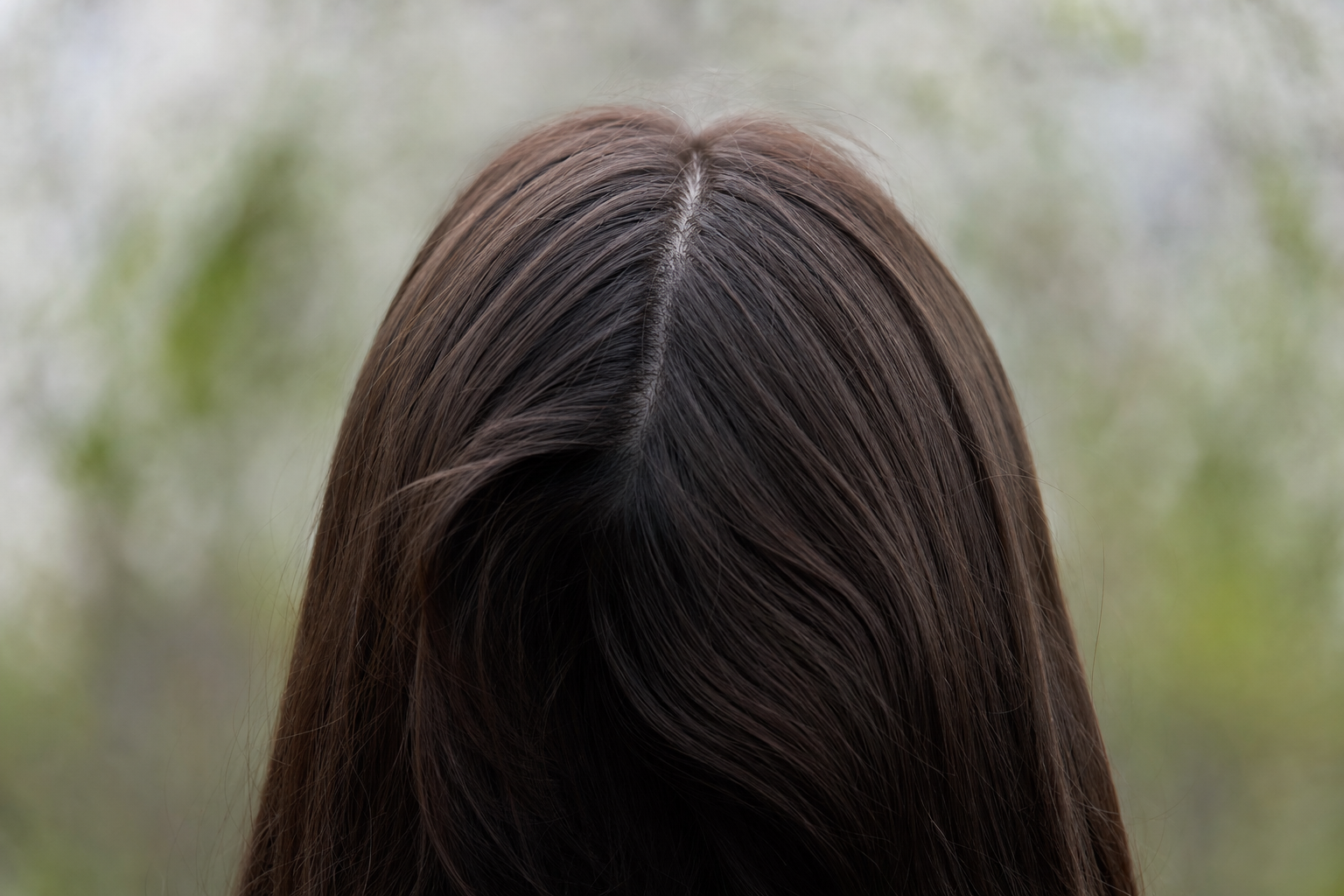
Hair longevity begins at the scalp, not the strand. Healthy density and a strong centre part are the visible result of what is happening at the follicle level over months and years.
Part One: How Hair and the Scalp Actually Age
Hair density and quality do not decline overnight. They change through a series of biological shifts that begin well before the visual signs appear. Understanding what drives those shifts is the starting point for addressing them.
The follicle is an organ, and it ages like one
Each hair follicle is a miniature organ embedded in the dermis of the scalp. It cycles through three phases: anagen (active growth), catagen (transition), and telogen (rest and shedding). A fourth phase, called exogen, then releases the shed strand to begin the cycle again. As the scalp ages, the anagen phase shortens. The follicle physically miniaturises over time, producing progressively finer strands until, in some cases, growth stops entirely.
This miniaturisation is driven primarily by androgens, oxidative stress, and inflammation. All three are biological processes that can be modified through targeted interventions. The scalp skin itself also thins over time. It produces less sebum, becomes less efficient at barrier function, and accumulates oxidative damage from UV exposure and environmental pollution. In this way, hair longevity is inseparable from scalp skin longevity.
Hormonal drivers: DHT, oestrogen, and androgen sensitivity
Androgenetic alopecia is the most common form of hair thinning in both men and women. It is driven by dihydrotestosterone (DHT), a potent androgen converted from testosterone by the enzyme 5-alpha-reductase. DHT binds to receptors in susceptible follicles, shortens their anagen phase, and triggers miniaturisation. In men, this typically presents as a receding hairline and crown thinning. In women, the pattern is different. It most often presents as diffuse thinning across the top of the scalp with a widening part, known as female pattern hair loss (FPHL).
Oestrogen provides a counterbalancing protective effect by prolonging anagen and reducing androgen activity at the follicle level. When oestrogen declines, this protection is removed. Androgen sensitivity at the follicle then increases, which accelerates the miniaturisation process. A 2022 study by Chaikittisilpa et al., published in Menopause and examining 178 postmenopausal women, found that 52.2 percent met the diagnostic criteria for FPHL. That figure was later cited in a 2025 Frontiers in Pharmacology review by Huang et al. It makes female pattern hair loss the most common dermatological condition in postmenopausal women. This underscores why preventative hair longevity practices matter most before visible thinning begins.
For men, androgenetic alopecia follows a different hormonal timeline but shares the same DHT-driven mechanism. Research from 2023 to 2025 consistently confirms that early intervention produces better outcomes. Waiting until thinning is visually pronounced reduces the effectiveness of DHT-inhibiting actives. Brands such as Menfirst and Brickell have specifically developed scalp-targeted formulations to address the male hair longevity conversation.
Oxidative stress and the ageing scalp environment
Beyond hormones, oxidative stress is a significant and under-discussed driver of hair ageing. Free radicals from UV radiation, pollution, heat styling, and metabolic processes accumulate in the scalp tissue over time. They damage cellular DNA, disrupt the hair growth cycle, and impair the stem cells responsible for follicular regeneration. The scalp, unlike the face, is often left entirely unprotected from UV exposure, which compounds this oxidative burden considerably.
A 2025 study in Skin Research and Technology proposed and validated a quantitative Hair SPF (HSPF) method. It measures how much UV protection the hair fibre and scalp receive from topical products. This represents formulation science catching up with what trichologists have long known: UV protection for the scalp is a genuine longevity strategy for the follicle.
of postmenopausal women diagnosed with female pattern hair loss in a 2022 clinical study (Chaikittisilpa et al., Menopause)
reduction in scalp DHT achieved by saw palmetto, which inhibits 5-alpha-reductase, per clinical literature
global haircare market in 2025, up 8% year over year, with unit sales also rising, per Circana data cited by BeautyMatter
The strand is simply the output. Every visible result in the mirror begins with what is happening at the follicle level, and the follicle responds to care, hormonal signals, and oxidative stress across years, not weeks.
Part Two: Evidence-Based Actives for Hair Longevity
Not all hair longevity ingredients are created equal. The following actives have the most consistent clinical support, across both topical applications and ingestible supplements, for addressing the specific biological drivers of hair thinning and density loss.
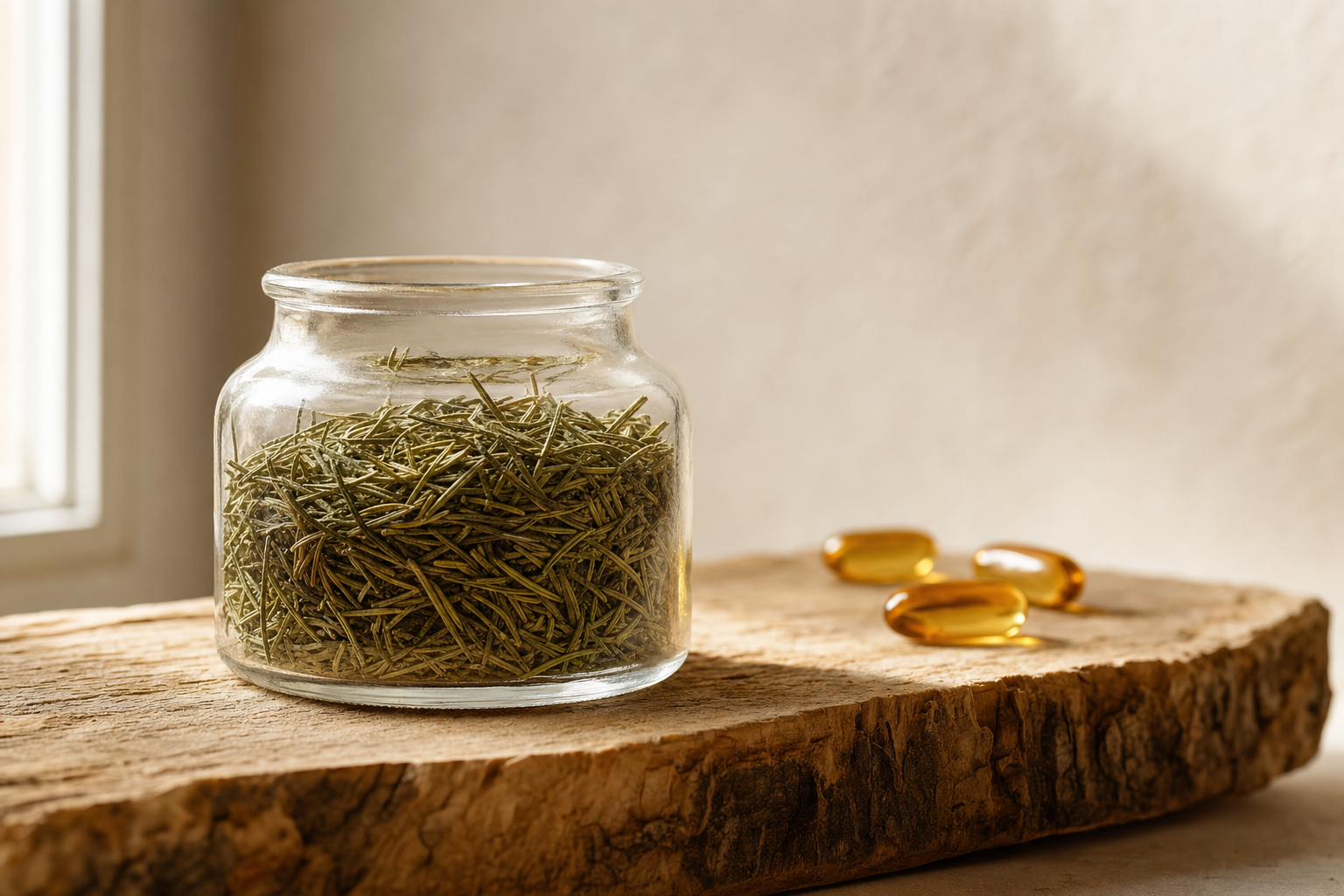
Rosemary and omega-rich softgels represent two of the most evidence-supported actives for hair longevity: one topical, one ingestible, both addressing the follicle from different directions.
Saw palmetto: the most studied botanical DHT inhibitor
Saw palmetto (Serenoa repens) is the most comprehensively studied botanical active for androgenetic alopecia in both men and women. It inhibits 5-alpha-reductase, the enzyme responsible for converting testosterone to DHT, thereby reducing the androgenic stimulus that drives follicular miniaturisation. Multiple clinical studies have found that consistent use reduces scalp DHT by approximately 30 to 40 percent. A 2023 systematic review confirmed its efficacy as both a topical and oral supplement for hair density. In some studies, its effects are comparable to lower doses of finasteride, and its tolerability profile is substantially more favourable. Supplements from HUM Nutrition and Life Extension include saw palmetto extract in their hair-support formulations.
Rosemary oil: comparable to minoxidil for scalp circulation
Rosemary oil (Rosmarinus officinalis) is now among the most-discussed topical actives for hair longevity, owing in particular to a 2015 randomised controlled trial published in Skinmed by Panahi et al. That trial found rosemary oil produced hair count outcomes comparable to 2% minoxidil after six months of consistent scalp application, with significantly less scalp itching reported in the rosemary group. Rosemary promotes scalp microcirculation, improves blood flow to the follicle, and provides antioxidant protection at the follicular level. More recent formulations have concentrated the active to improve bioavailability. It now appears across a wide range of hair longevity serums and scalp treatments.
Pycnogenol (French maritime pine bark): an ingestible for density
French maritime pine bark extract, sold most widely under the trade name Pycnogenol, is a potent antioxidant complex derived from the bark of Pinus pinaster. A 2023 randomised, placebo-controlled trial found that oral Pycnogenol supplementation improved hair density in a cohort of menopausal women over a six-month intervention period. The proposed mechanism involves reduction in systemic oxidative stress and improved microvascular circulation to the scalp. It also mitigates the inflammatory environment that accelerates follicular ageing. Pycnogenol is one of the most compelling ingestible actives for the hair longevity category, with a trial design that represents a meaningful level of clinical evidence. Life Extension carries pine bark extract supplements that align with the standardised Pycnogenol dosage used in this research.
Foundational nutrients: biotin, iron, zinc, and vitamin D
Hair follicles are among the most metabolically active structures in the body, and they are consequently among the first to reflect nutritional deficiencies. Biotin supports keratin infrastructure and is among the most cited nutrients in hair health literature. Supplementation shows the greatest benefit in people with a confirmed deficiency. Iron deficiency is the most common nutritional cause of diffuse hair shedding in women globally. It is frequently subclinical, meaning ferritin levels can be depleted well before anaemia appears on standard blood work. Zinc supports follicular cell division and sebum regulation. Vitamin D has specific receptors in the hair follicle and is linked to the initiation of the anagen phase. Ritual, HUM Nutrition, and Organifi all offer supplementation options that address these foundational nutritional needs.
Hair longevity actives at a glance
Part Three: The Skinification of Hair Care
The most significant structural shift in hair care in a generation is clear. The industry now recognises that the scalp is skin, that it ages like skin, and that it responds to the same ingredient intelligence that transformed facial skincare.
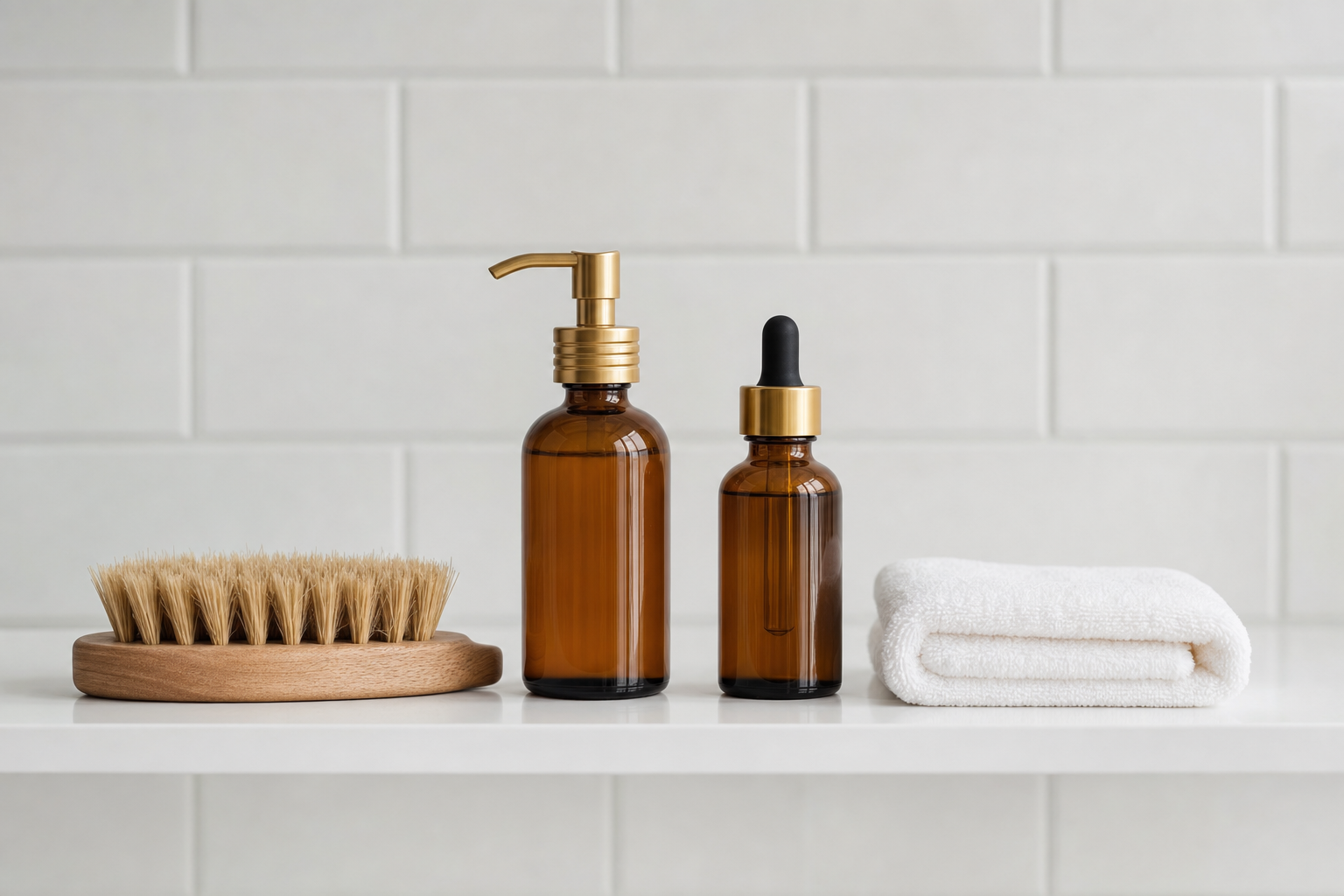
A scalp-targeted routine built around a treatment shampoo, a leave-in serum, and a gentle scalp brush is the foundation of any meaningful hair longevity practice.
What the skinification movement means in practice
The term “skinification of hair” refers to the application of facial skincare principles, such as barrier repair, microbiome support, antioxidant protection, and targeted active ingredients, to scalp care. For decades, hair care formulated for the scalp focused primarily on cleansing and conditioning. The skinification movement has been named a defining 2026 haircare theme by multiple industry analysts. It recognises that the scalp requires the same nuanced biological understanding that facial skincare has developed over the past two decades.
In practice, the most advanced scalp products now contain niacinamide for barrier support and sebum regulation. They also include hyaluronic acid for hydration, antioxidants to counter oxidative stress, and microbiome-friendly cleansing agents that protect the scalp’s natural acid mantle. It also means that UV protection for the scalp is now a serious formulation category. The 2025 HSPF study in Skin Research and Technology demonstrated that UV protection for the scalp and hair fibre is measurable and achievable. This brings the scalp into a sun protection conversation that has long focused exclusively on the face.
The scalp microbiome and barrier function
The scalp has its own distinct microbiome, shaped by its high sebum density, follicular architecture, and environmental exposures. When the scalp’s microbial balance is disrupted by over-cleansing, harsh surfactants, product buildup, or environmental stress, scalp inflammation follows. Chronic low-grade scalp inflammation is now widely implicated as a driver of premature follicular miniaturisation.
Accordingly, choosing a shampoo with a balanced, microbiome-friendly formulation is no longer a minor consideration. It is foundational to hair longevity. Verb Products and Viori Beauty ✦ both offer scalp-considerate cleansing formulations that prioritise the integrity of the scalp environment. You can also find further context on how the scalp microbiome functions within the Belldiva scalp health routine guide, which covers the microbiome and barrier science in detail as a companion to this post.
Heat, mechanical stress, and the strand over time
Hair longevity also requires rethinking how the strand itself is treated day to day. Repeated heat styling at high temperatures degrades the keratin structure of the hair shaft. It also reduces water content, making the strand progressively more brittle and prone to breakage. This is not simply a cosmetic issue. When the strand breaks above the follicle rather than shedding from the root, it creates the visual appearance of thinning that may actually reflect mechanical damage rather than follicular decline, though the two can and do coexist.
Practical longevity habits include using heat tools at the lowest effective temperature and applying a heat-protective leave-in before styling. Sleeping on a silk or satin pillowcase reduces friction on the strand overnight. Avoiding tight hairstyles is also important, as chronic tension on the follicle can cause traction alopecia with repeated exposure. These are not dramatic interventions. They are the kind of consistent, low-effort decisions that compound over years into a meaningful difference in hair density and condition.
The skinification of hair care asks one simple question: why would we treat the scalp any differently to the face when the biology is the same?
Part Four: Building a Hair Longevity Routine
A hair longevity routine is not about complexity. It is about consistency across a small number of well-chosen steps, each of which addresses a specific biological driver of premature follicular decline.
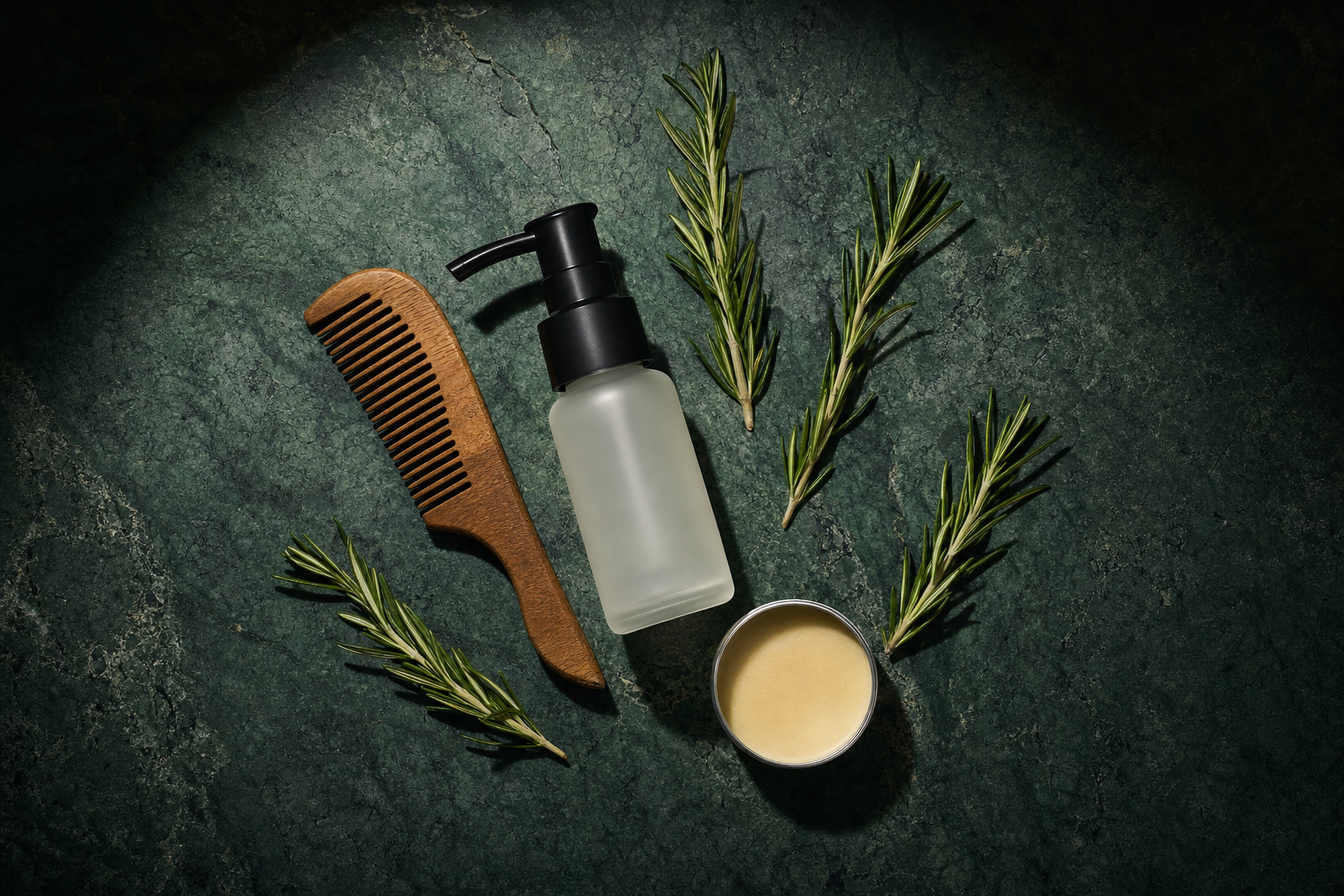
A hair longevity routine distilled to its essentials: a gentle comb, a scalp treatment, a conditioning balm, and the botanical actives that support the follicle over time.
Wash day: cleanse and treat the scalp deliberately
Wash day is the most impactful moment in a hair longevity routine. Choose a sulphate-free or low-sulphate shampoo that cleanses the scalp without stripping its acid mantle. Massage the scalp for at least 60 seconds before rinsing. This removes buildup and stimulates blood flow to the follicle, a simple mechanical step with consistent research support. Once or twice per month, precede your shampoo with a scalp exfoliating treatment containing salicylic acid to clear product buildup from around the follicle opening.
After washing and while the scalp is still slightly damp, apply a targeted scalp serum in sections. A serum containing rosemary oil, niacinamide, peptides, or a DHT-inhibiting botanical complex such as saw palmetto will address the specific longevity drivers discussed in this guide. Do not rinse it out. This is the single highest-value step in a hair longevity routine, and it is the one that most closely mirrors how a face serum functions in a skincare routine.
Between washes: protect and support
On non-wash days, avoid heavy product application directly to the scalp. Where scalp dryness or tightness is present, a few drops of a lightweight scalp oil or a niacinamide mist can soothe without causing buildup. If you spend extended time outdoors, a scalp UV mist or a physical barrier such as a hat provides meaningful protection against the UV-driven oxidative stress discussed in Part One. For those with significant density concerns, a brief daily scalp massage is a low-cost addition with growing evidence support. Several peer-reviewed studies link consistent scalp massage to increased strand thickness through mechanical stimulation of dermal papilla cells.
Internal support: what you eat and supplement matters
No topical routine, however well-formulated, can substitute for adequate nutritional support. Hair follicles require a consistent and sufficient supply of iron, zinc, biotin, vitamin D, and omega-3 fatty acids to sustain healthy growth cycles. A diet centred on protein, leafy greens, oily fish, legumes, and whole grains will provide the majority of these nutrients. Where diet falls short, targeted supplementation fills the gap. The Belldiva wellness and skincare brands directory includes Ritual, Organifi, and HUM Nutrition, each of which offers formulations relevant to hair and overall wellness support.
Hydration also matters more than is commonly appreciated. The hair shaft is approximately 12 percent water by weight, and chronic dehydration at the cellular level contributes to brittleness and breakage. Fiji Water, with its naturally elevated silica content, is worth noting as a daily hydration choice that supports both scalp skin and strand health from within. The Belldiva stress and skin connection guide covers this relationship in depth. It explores how cortisol and chronic stress directly affect the hair growth cycle.
Part Five: Common Questions About Hair Longevity
Practical, evidence-based answers to the questions that come up most frequently when people begin taking hair longevity seriously.
Questions about timelines and results
How long does it take to see results from a hair longevity routine?
Hair grows at approximately 1.25 centimetres per month, and the full growth cycle takes two to six years. Most clinical studies on hair longevity actives show measurable improvements in hair count and strand thickness after three to six months of consistent intervention. However, because hair shedding must slow before new density becomes visible, the early weeks often produce no perceptible change at all. Consistency through that early plateau is where most people give up prematurely. Give any protocol a minimum of six months before evaluating its effectiveness.
Is hair longevity relevant for me if I am not currently experiencing thinning?
Yes, and this is precisely where the concept of hair longevity is most valuable. Follicular miniaturisation begins gradually, and the most effective interventions are preventative rather than restorative. By the time thinning is visually apparent, a portion of follicular function has already been lost. Starting scalp-targeted actives, optimising nutrition, and reducing oxidative load on the scalp before visible decline appears is the highest-yield strategy for long-term hair health.
Questions about ingredients and professional care
How does a hair longevity routine differ from a basic scalp care routine?
A basic scalp care routine focuses on maintaining a clean, balanced scalp environment, addressing concerns such as dryness, oiliness, flaking, and general scalp comfort. A hair longevity routine goes further. It specifically targets the biological processes that drive long-term density loss: DHT activity, oxidative stress, scalp inflammation, UV damage, and nutritional gaps. It incorporates actives chosen for their clinical evidence in slowing follicular ageing rather than simply maintaining day-to-day scalp condition.
When should I see a trichologist or dermatologist instead of managing hair concerns at home?
See a professional if you are experiencing rapid or sudden shedding, patchy hair loss, scalp pain, burning, or visible scarring, or if a consistent home routine has produced no improvement after six months. A trichologist or dermatologist can order blood work to identify nutritional deficiencies, assess hormonal status, and determine whether prescription-strength interventions such as topical minoxidil or finasteride are appropriate for your specific pattern and degree of loss. An at-home routine is the right starting point for most people. It is not a substitute for professional diagnosis when the situation warrants one.
Questions about men and hair longevity
Is the hair longevity approach different for men?
The underlying biology is similar, but the typical pattern of hair loss differs. Men tend to experience the most pronounced miniaturisation at the temples and crown, driven by higher baseline androgen sensitivity in those follicular regions. DHT-inhibiting actives such as saw palmetto are therefore particularly relevant for men. Scalp massage, nutritional support, and microbiome-friendly cleansing apply equally. Brands such as Menfirst, Lumin, and Bevel have developed scalp-specific product lines with the male longevity conversation specifically in mind.
Sources and Further Reading
Chaikittisilpa S, et al. Prevalence of female pattern hair loss in postmenopausal women. Menopause. 2022;29(10):1141–1145. | Huang X, et al. Ethnopharmacological review of botanical actives for androgenetic alopecia. Frontiers in Pharmacology. 2025. | Panahi Y, et al. Rosemary oil versus minoxidil 2% for the treatment of androgenetic alopecia: a randomized comparative trial. Skinmed. 2015;13(1):15–21. | Belcaro G, et al. Pycnogenol effects on hair health. Randomized controlled trial, 2023. | Srivastava AK, et al. Hair UV protection factor (HSPF): a quantitative method. Skin Research and Technology. 2025. | BeautyMatter. The Haircare Trends Set to Define 2026. 2025. | Circana. US Prestige Beauty Industry 2025 Year-End Report.
This guide is for educational purposes and reflects research current to mid-2026. It does not constitute medical advice. If you are experiencing significant hair loss or scalp symptoms that do not respond to a consistent routine, please consult a qualified dermatologist or trichologist before making changes to your regimen.
Rooted in Care. Refined in You.
Explore the Belldiva Skincare & Wellness Collection
Over 70 luxury brands in beauty, skincare, hair, and wellness. Every brand chosen for genuine excellence and real results.
Belldiva’s Curated Beauty and Wellness Brands
All Belldiva Brands
Huda Beauty
Charlotte Tilbury
Sephora
MAC
Dior
Katini Skin
Ultra Violette
NYX Cosmetics
The Ordinary
Verb Products
BK Beauty
Prada Beauty
Estée Lauder
Vasanti Cosmetics
Brickell
Lumin
Blu Atlas
Liomen
Jaxon Lane
Beardbrand
Scotch Porter
Bevel
Menfirst
Atlas
SkinCeuticals
Lululemon
Mindful
Headspace
Calm
Fitbit
MyFitnessPal
Noom
Peloton App
Organifi
Ritual
HUM Nutrition
Nike
YSL (Saint Laurent Beauty)
Lancôme
Clinique
NARS
Elizabeth Arden ✦
Victoria Beckham Beauty
Make Up For Ever
Valentino Beauty
Bobbi Brown
Shiseido
Benefit Cosmetics
Smashbox
Kylie Cosmetics
Urban Decay
Sigma Beauty
Stila ✦
Clarins
Tarte Cosmetics
PUR Cosmetics
Glossier
Elemis London
Kiehl’s
Murad
Paula’s Choice
Viori Beauty ✦
Life Extension
Lumen
Fiji Water
Anastasia Beverly Hills
Serious Skincare
Qure Skincare
Armani Beauty
Dr. Brandt ✦
RoC ✦
hair longevity
scalp ageing
hair density
hair thinning
scalp health
saw palmetto hair
rosemary oil hair growth
skinification of hair
hair loss prevention
DHT and hair loss
Belldiva hair care