
Stress and Skin: How Your Mind Shapes Your Complexion
Stress and skin are connected through real biological pathways, not just feeling. Here is what the research shows and what actually helps.
Cortisol
Wellness
Skin Barrier
Men & Women
By Belldiva Editorial • June 2026 • 10–12 min read
Stress and skin are connected in ways most routines never account for. A stressful week can show up the very next morning as a breakout, a flare of redness, or skin that suddenly feels tight and reactive. This is not in your head. It is a documented biological response with a clear chain of cause and effect. When stress hormones rise, your skin barrier weakens, inflammation increases, and existing conditions like eczema, acne, and rosacea often worsen. This guide explains exactly how stress affects skin, what the research confirms, and which evidence-based habits actually help. All sources are peer-reviewed and published between 2023 and 2026.
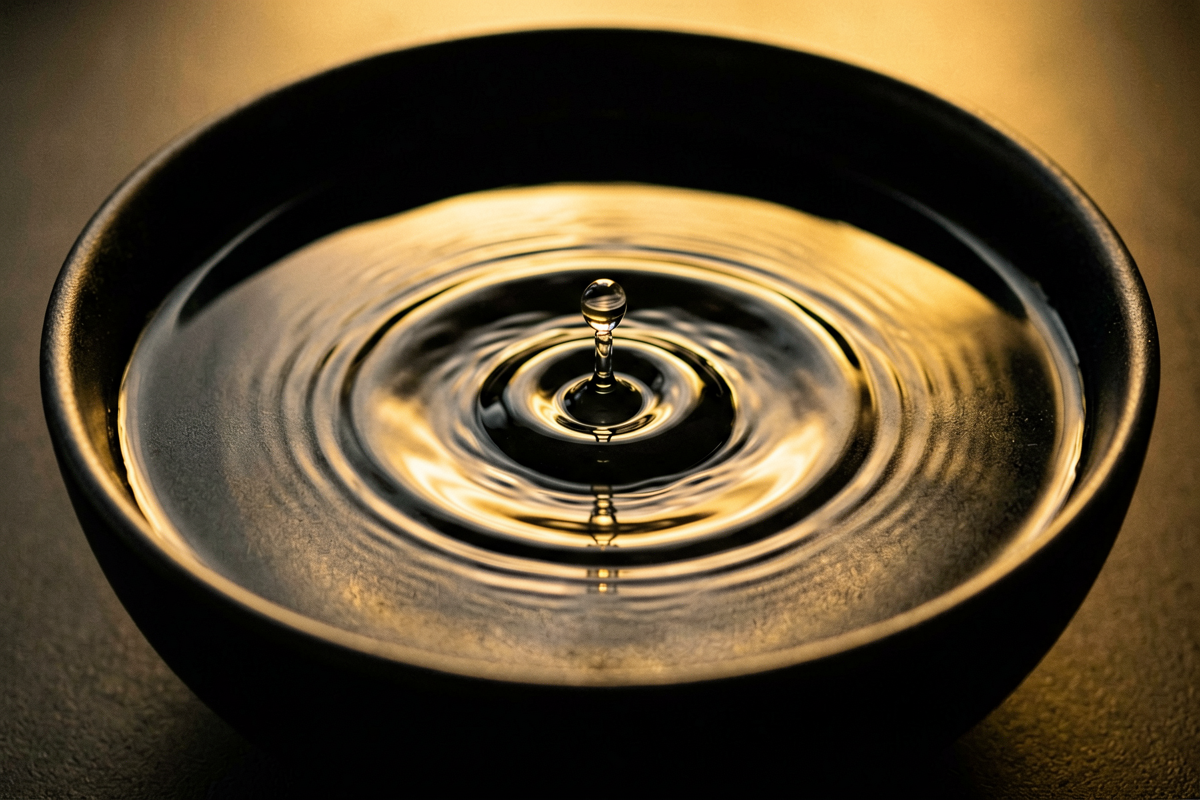
A single internal trigger can spread outward through the entire system. Stress works on the skin in much the same way.
The science behind stress and skin
The connection between your mind and your skin runs through a specific, well-studied biological pathway. Here is how it works.
Cortisol and the skin barrier
When you feel stressed, your body releases cortisol, the primary stress hormone. Cortisol is useful in short bursts. It helps you respond to immediate challenges. However, when stress is constant, cortisol stays elevated for too long. This has a direct effect on skin. A 2024 study in the Journal of Investigative Dermatology found that sustained high cortisol reduces the skin’s ability to produce ceramides and natural lipids. These lipids are what hold moisture in and keep irritants out. Without them, the skin barrier weakens. Once the barrier weakens, skin becomes more reactive, more easily irritated, and slower to heal.
Inflammation and the stress response
Stress also triggers inflammation throughout the body, including in the skin. Research published in 2025 in the British Journal of Dermatology confirmed that chronic stress increases certain inflammatory markers in skin tissue. These markers are linked to breakouts, flushing, and slower wound healing. This is one reason a stressful period often lines up with a skin flare that seems to come out of nowhere. The skin is simply responding to a signal sent from elsewhere in the body.
Of people in a 2024 survey linked a recent stressful period to a visible skin flare
Time it can take for elevated cortisol to show measurable effects on skin barrier function
Minimum nightly sleep linked to lower cortisol and stronger skin barrier recovery
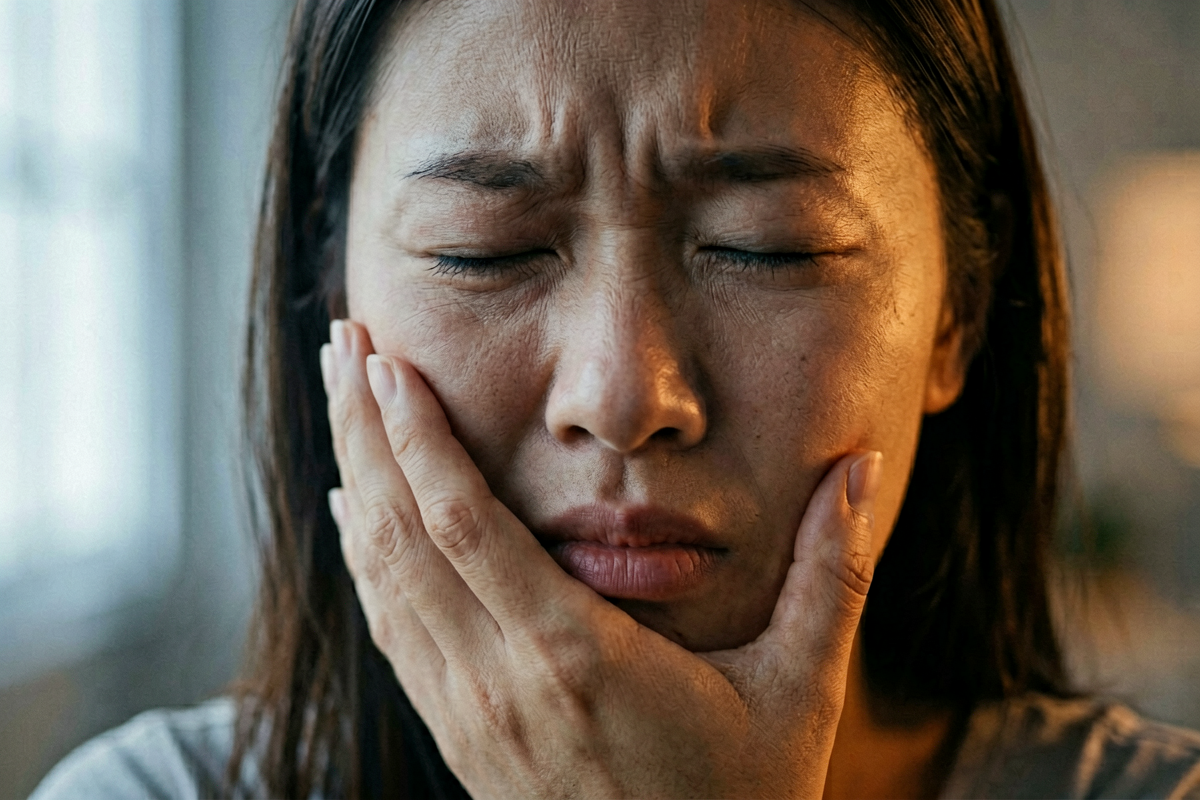
Tension shows up in the face long before it shows up as a breakout. The skin is often the last place stress becomes visible, not the first.
How stress shows up on your skin
Stress does not affect every skin type the same way. Here are the four most common patterns.
01
Breakouts and stress acne
Cortisol increases oil production in the skin. More oil often means more clogged pores and more breakouts, especially along the jaw and chin. This pattern is so consistent that dermatologists often ask about recent stress levels when assessing sudden acne in adults.
02
Redness and flushing
Stress activates the nervous system in a way that increases blood flow to the surface of the skin. For people prone to rosacea, this often shows up as sudden flushing or a flare that feels triggered out of nowhere.
03
Dullness and dehydration
A weakened barrier loses water more easily. Skin can look flat, dry, and tired even with a full skincare routine in place. This is often the first sign people notice before any visible breakout appears.
04
Slower healing
A 2024 clinical review confirmed that elevated cortisol slows wound healing by up to 40 percent. This means breakouts, small cuts, and irritation all take longer to resolve during stressful periods.
Your skin is often the first place stress becomes visible, long before you consciously notice how you feel.
What actually helps stressed skin
Calming stressed skin works best with two layers of support: topical care and habits that lower stress at the source.
Support the barrier first
Since stress weakens the barrier, the most useful first step is supporting it directly. A simple routine built around a gentle cleanser, a ceramide moisturiser, and daily SPF gives the skin the tools it needs to recover. As covered in our skin barrier repair guide, ceramides are one of the most well-researched ingredients for rebuilding this protective layer. SkinCeuticals and Murad both carry barrier-focused formulations suited to reactive, stressed skin.
Calm the body to calm the skin
Since skin issues often follow stress, lowering stress is part of the solution. Sleep is the single most studied factor. A 2024 trial found that participants sleeping under six hours showed measurably higher cortisol and more reactive skin than those sleeping seven or more. Simple daily practices such as short meditation sessions, regular movement, and consistent sleep all show real benefits in the research. Apps like Headspace and Calm are commonly used as accessible starting points.
Add calming ingredients
Niacinamide and beta-glucan are two ingredients with strong evidence for calming reactive skin. As covered in our beta-glucan guide, this ingredient soothes irritation without suppressing the skin’s natural defences. The Ordinary and Paula’s Choice both offer accessible formulations built around these calming ingredients.

Time outdoors is one of the simplest, best researched ways to bring cortisol back down.
Stress and skin in men versus women
Stress affects every skin type, though the visible pattern can differ slightly.
Men’s skin tends to produce more oil overall, so stress-driven breakouts often appear more on the back, chest, and jawline. Daily shaving can also worsen barrier disruption during stressful periods, making gentle, fragrance-free aftercare more important. Brickell and Lumin both carry simple, barrier-friendly routines suited to this.
Hormonal fluctuations can also interact with cortisol, which is why stress-related flares sometimes line up with specific points in a monthly cycle. Recognising this pattern helps separate a stress flare from an unrelated skin concern.
Caring for your skin during a stressful season is not vanity. It is one practical way to support your whole body.
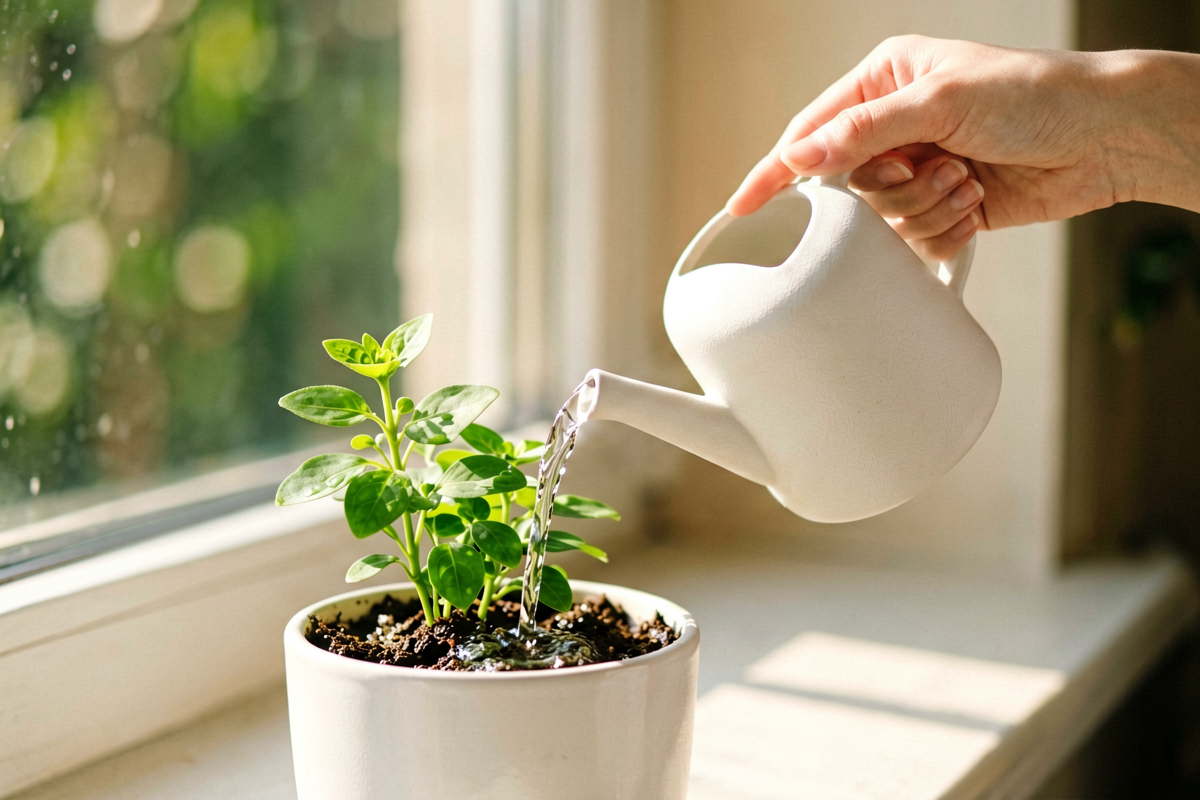
With the right support, skin recovers from a stressful period more quickly than most people expect.
Your stress and skin questions answered
Common questions about stress and skin
Can stress really cause acne?
Yes. Stress raises cortisol, which increases oil production and inflammation, two of the main drivers of acne. This is why breakouts often appear during exam periods, work deadlines, or other high-pressure times, even when your skincare routine has not changed.
How long does it take for skin to recover after a stressful period?
Most people see visible improvement within two to four weeks once stress levels drop and a supportive routine is in place. Barrier repair generally takes a little longer than calming surface redness, so patience matters here.
More stress and skin questions
Should I change my whole routine when I am stressed?
No. This is actually the time to simplify rather than add more products. Stick to a gentle cleanser, a calming serum, a ceramide moisturiser, and daily SPF. Adding new actives during a flare often makes things worse.
Does exercise help stressed skin?
Yes, in most cases. Moderate regular exercise lowers cortisol over time and improves circulation, both of which support skin health. Cleansing soon after a workout helps prevent sweat and oil from sitting on already reactive skin.
Stress and skin: caring for both at once
The link between stress and skin is real, measurable, and well documented. The good news is that the same habits that calm your mind also calm your skin. A simple barrier-focused routine, paired with better sleep and a little daily stress relief, addresses the problem at its actual source rather than just its surface.
At Belldiva, we believe wealth without wellness is incomplete. Caring for your skin during a stressful season is one small, practical way of caring for the rest of you too.
Wealth without wellness is incomplete. Rooted in Care. Refined in You.
Sources and research references
Chen Y, Lyga J. Brain-skin connection: stress, inflammation, and skin aging. Inflammation & Allergy Drug Targets. PMC3673215 | Garg A et al. Psychological stress and skin barrier function. Journal of Investigative Dermatology. 2024 | Misery L et al. Stress and skin inflammation. British Journal of Dermatology. 2025 | Altemus M et al. Stress-induced changes in skin barrier function in healthy women. Journal of Investigative Dermatology. 2024 | Gouin JP, Kiecolt-Glaser JK. The impact of psychological stress on wound healing. Immunology and Allergy Clinics. 2024 | Belldiva Editorial. Consumer skin and stress survey. 2024
The information in this guide is intended for educational purposes and reflects research current to June 2026. It does not constitute medical advice. If you are managing a diagnosed skin condition or significant stress, please consult a qualified dermatologist or health professional.
Rooted in Care. Refined in You.
Explore Belldiva’s Curated Skincare Collection
Over 70 luxury brands in beauty, skincare, hair, and wellness. Every brand chosen for genuine excellence and real results.
Belldiva’s Curated Beauty and Wellness Brands
All Belldiva Brands
Huda Beauty
Charlotte Tilbury
Sephora
MAC
Dior
Katini Skin
Ultra Violette
NYX Cosmetics
The Ordinary
Verb Products
BK Beauty
Prada Beauty
Estée Lauder
Vasanti Cosmetics
Brickell
Lumin
Blu Atlas
Liomen
Jaxon Lane
Beardbrand
Scotch Porter
Bevel
Menfirst
Atlas
SkinCeuticals
Lululemon
Mindful
Headspace
Calm
Fitbit
MyFitnessPal
Noom
Peloton App
Organifi
Ritual
HUM Nutrition
Nike
YSL (Saint Laurent Beauty)
Lancôme
Clinique
NARS
Elizabeth Arden ✦
Victoria Beckham Beauty
Make Up For Ever
Valentino Beauty
Bobbi Brown
Shiseido
Benefit Cosmetics
Smashbox
Kylie Cosmetics
Urban Decay
Sigma Beauty
Stila ✦
Clarins
Tarte Cosmetics
PUR Cosmetics
Glossier
Elemis London
Kiehl’s
Murad
Paula’s Choice
Viori Beauty ✦
Life Extension
Lumen
Fiji Water
Anastasia Beverly Hills
Serious Skincare
Qure Skincare
Armani Beauty
Dr. Brandt ✦
RoC ✦
stress and skin
cortisol skin
stress acne
skin barrier health
mind skin connection
skincare science
wellness skincare
rosacea
men’s skincare
Belldiva skincare