The Skin Microbiome: What It Is, Why It Matters, and How to Protect It
Your skin hosts trillions of microorganisms that actively protect it. Here is what the skin microbiome actually does, what disrupts it, and how to keep it balanced.
Barrier Health
Prebiotics
Postbiotics
Men & Women
By Belldiva Editorial • June 2026 • 11–13 min read
Your skin microbiome is one of its most important defence systems, and most people have never heard of it. At any given moment, healthy skin hosts trillions of bacteria, fungi, viruses, and other microorganisms. Together, they form a carefully balanced community that regulates inflammation, competes against harmful pathogens, and supports the barrier’s physical integrity. It even produces compounds that help the skin manage its own repair processes. Far from being something to eliminate, the skin microbiome is something to actively protect.
Understanding the skin microbiome is not a niche pursuit. It is becoming one of the most important frameworks in skincare. It explains why some skin thrives under simple routines while other skin stays reactive despite every intervention. This guide covers what the skin microbiome is, what disrupts it, and which habits and ingredients support it most effectively. All sources are from peer-reviewed research published between 2023 and 2026.
The skin microbiome is not a contamination to be removed. It is a living system that actively protects, regulates, and supports the skin it lives on.
What the skin microbiome actually is
The concept of the microbiome has become familiar through gut health conversations, but the skin has its own equally complex and equally important microbial ecosystem.
A community of trillions, distributed across a single organ
The skin microbiome refers to the full collection of microorganisms living on and within the outer layers of the skin. These include bacteria, fungi, viruses, mites, and archaea, all of which exist in a relationship with the skin that is far more cooperative than it might sound. The most well-studied of these are the bacteria, which number in the trillions across the skin’s surface and vary considerably depending on the area of the body. The face, with its higher sebum production, tends to host different bacterial communities than the forearm. The underarm hosts different species than the scalp. Even within the face, the microbiome of the forehead differs from that of the cheek. A 2024 review in the Journal of Investigative Dermatology confirmed that this regional variation is not random. Each microbial community is adapted to the specific conditions of the skin zone it inhabits, including its moisture level, pH, temperature, and the composition of the skin’s own lipid secretions.
How the microbiome is established and how it changes
The skin microbiome begins forming at birth. It continues to develop and shift throughout life in response to environment, diet, hormonal changes, hygiene habits, and the products applied to the skin. Hormonal transitions in particular produce clear shifts in microbial diversity. This is one reason why skin that was stable for years can suddenly become reactive.
Seasonal shifts matter too. Cold dry weather alters the water content of the stratum corneum and the pH of the skin surface, both of which change which bacterial species thrive. Geography, diet, stress, and sleep quality all have documented effects on the composition of the skin microbiome. Furthermore, the skincare products applied daily are among the most consistent forces shaping it, for better or for worse.
Approximate surface area of the skin, the largest organ in the body and home to the skin microbiome
Optimal skin surface pH that supports a diverse, healthy microbial community (Dermatology 2025)
Time for measurable microbial diversity loss after switching to a high-surfactant cleanser (BJD, 2024)
What the skin microbiome does: four key functions
A healthy skin microbiome does far more than simply coexist with the skin. It actively contributes to skin function in ways that topical products alone cannot fully replicate.
Pathogen defence
Beneficial bacteria on the skin surface compete directly with harmful pathogens for nutrients and space. Many produce natural compounds that inhibit the growth of organisms including Staphylococcus aureus, the bacteria most closely linked to eczema flares and skin infections. A 2024 paper in Science Translational Medicine confirmed that the presence of diverse beneficial bacteria, particularly certain Staphylococcus epidermidis strains, directly suppressed S. aureus growth in subjects with atopic dermatitis. This is why a skin microbiome depleted of its helpful inhabitants often becomes more prone to recurrent infections and inflammatory episodes, not less.
Immune system training and regulation
The skin’s immune system uses signals from the microbiome to calibrate its responses. When the microbial community is diverse and balanced, the immune system maintains a measured response to environmental triggers. When microbial diversity drops, the immune system can become less precise. It may then overreact to substances that would otherwise be tolerated without issue. This is the mechanism behind much of the reactivity seen in sensitive skin and certain inflammatory conditions. It is also one reason why restoring microbial balance, rather than simply suppressing symptoms, is becoming the focus of more advanced skin care approaches.
Barrier function support
The relationship between the skin microbiome and the physical barrier is two-way and closely linked. Healthy microbial communities support the production and maintenance of the lipid matrix that holds the stratum corneum together, and a healthy barrier in turn provides the stable environment that allows beneficial microbes to thrive. When either side of this relationship is disrupted, both suffer. A 2025 review in the British Journal of Dermatology described this as a core mechanism in the development and persistence of barrier-related skin conditions, noting that interventions targeting the microbiome often produce improvements in barrier function markers independently of any topical barrier repair ingredient. This connects directly to the skin barrier repair guide published last week, where the microbiome’s role in barrier health was introduced.
pH regulation and enzymatic activity
The skin’s optimal surface pH sits between 4.5 and 5.5, an environment that favours beneficial bacteria and inhibits most pathogens. Bacteria on the skin actively contribute to maintaining this pH by producing lactic acid and other organic acids as natural metabolic byproducts. They also produce enzymes that support normal skin cell turnover and the breakdown of sebum into fatty acids that reinforce the skin’s own lipid layer. This enzymatic contribution is subtle but meaningful: it represents a function that the skin’s own biology depends on and that topical products alone cannot fully substitute for.

Microbial diversity is the central marker of a healthy skin microbiome. The greater the variety of beneficial species present, the more robust the microbiome’s protective functions become.
A diverse skin microbiome is not a sign of uncleanliness. It is a sign of skin that is functioning exactly as it was designed to.
What disrupts the skin microbiome
Most microbiome disruption comes from the same sources that damage the skin barrier. However, some specific habits are particularly harmful to microbial diversity in ways that are worth understanding separately.
Aggressive cleansing and high-surfactant products
Cleansers with high concentrations of surfactants strip both the skin’s natural lipids and the bacterial communities that live within them. A 2024 study in the British Journal of Dermatology found that switching to a high-surfactant facial wash produced clear reductions in microbial diversity within two weeks, with a matching rise in markers of skin inflammation. The species that tend to survive aggressive cleansing are often the more disruptive ones. This shifts the balance away from the cooperative community the skin needs. Using a pH-balanced, low-surfactant cleanser is therefore one of the most protective habits for the skin microbiome. Brands like Clarins, Elemis London, and Kiehl’s carry gentle pH-appropriate cleansers that clean well without disrupting the microbial balance.
Fragrance and essential oils in skincare
Fragrance compounds and concentrated essential oils are among the most common topical irritants and are also among the most disruptive to the skin microbiome. Many fragrance compounds have inherent antimicrobial properties, which is precisely what makes them useful as preservatives but harmful as daily skincare ingredients. Regular use of heavily fragranced products can selectively reduce populations of beneficial bacteria, particularly on the face where applications are most frequent and concentration of microbiome disruption is highest. Choosing fragrance-free formulations, particularly for the core routine products applied every day including cleanser, serum, and moisturiser, is one of the most meaningful steps toward microbiome health.
Over-exfoliation
Chemical exfoliants lower the skin’s surface pH temporarily, which is part of how they accelerate cell turnover. However, repeated and frequent application without adequate recovery time keeps the pH shifted in ways that disadvantage the bacterial species best adapted to the skin’s natural environment. Additionally, the physical disruption of the stratum corneum removes the substrate on which many commensal bacteria live. As discussed in last week’s minimalist skincare routine guide, limiting exfoliation to two nights per week with recovery nights between sessions is both a barrier and a microbiome protective habit. The two goals are inseparable.
Stress, sleep deprivation, and diet
The skin microbiome is sensitive to systemic as well as topical influences. Chronic stress raises cortisol levels, which alters the skin’s sebum composition and pH in ways that favour less cooperative bacterial species. Poor sleep reduces the skin’s regenerative activity overnight, which affects the surface environment the microbiome depends on. Diet has a particularly well-documented connection: a 2025 study in the Journal of Dermatological Science found that dietary patterns high in refined sugars and low in fermented foods and plant-based fibre were associated with measurably lower skin microbiome diversity. Supplements from brands like HUM Nutrition and Ritual that support the gut microbiome also produce secondary benefits for the skin microbiome through the gut-skin axis.
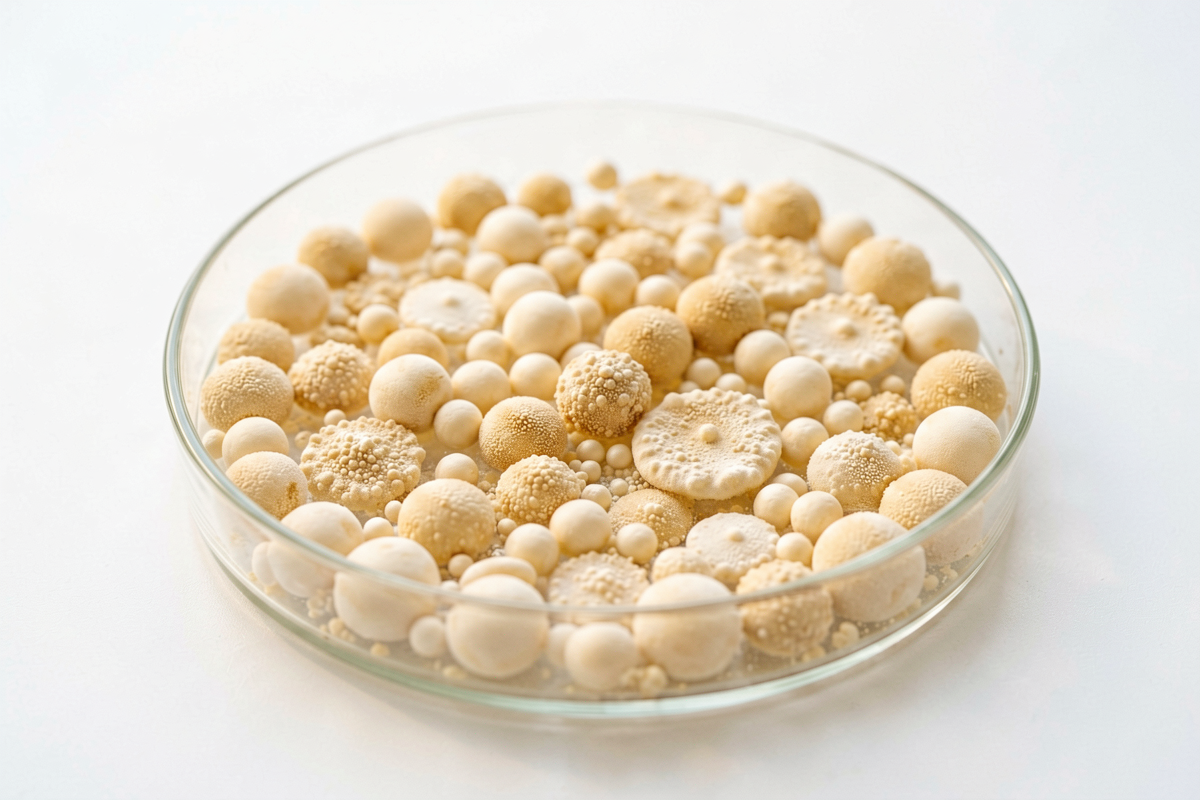
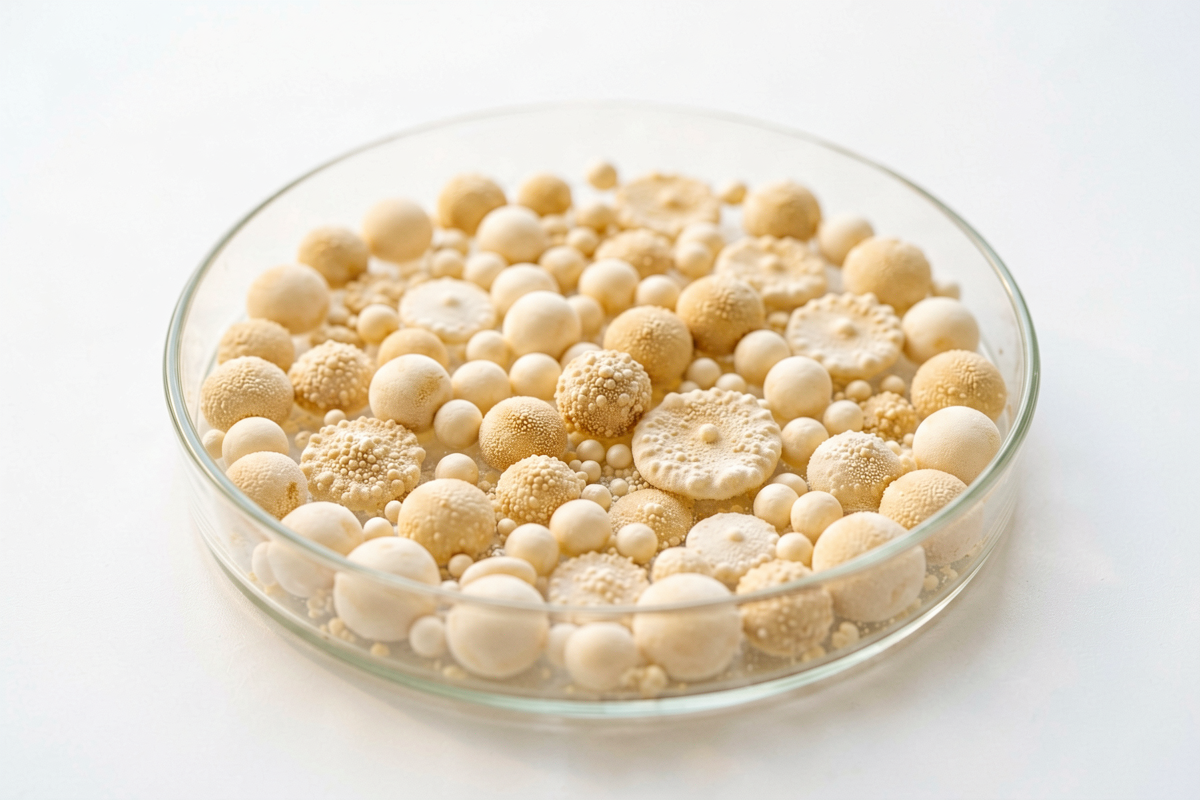
Every bacterial colony in a healthy skin microbiome has its own size, texture, and role. Cleansers, fragrance, and over-exfoliation can quietly thin out this diversity without ever being visible to the eye.
Prebiotics, probiotics, and postbiotics in skincare: what the science says
The terms prebiotic, probiotic, and postbiotic are now appearing on skincare labels. Here is what each one actually means and which has the strongest evidence for topical use.
Prebiotics: feeding the beneficial bacteria already present
Prebiotics are compounds that serve as food for beneficial microorganisms. In topical skincare, prebiotic ingredients include certain sugars, fibres, and plant extracts that selectively nourish the bacteria most beneficial to skin health without providing the same advantage to opportunistic species. Beta-glucan, covered in detail in last week’s beta-glucan guide, has documented prebiotic activity alongside its barrier repair and hydration functions. Inulin and certain fermented plant extracts are also established topical prebiotics. The evidence for prebiotic skincare is growing steadily and is currently the strongest of the three categories for topical application.
Postbiotics: the most promising topical category
Postbiotics are the bioactive compounds produced by bacteria as metabolic byproducts. When these compounds are extracted and included in skincare formulations, they can deliver the beneficial effects of bacterial activity without requiring the bacteria themselves to be present and alive on the product. Lysates, ferments, and certain peptide fractions derived from beneficial bacterial strains are all examples of postbiotic ingredients now appearing in premium skincare. A 2025 clinical review in the International Journal of Cosmetic Science found that topical postbiotic formulations produced measurable improvements in skin hydration, barrier function, and inflammatory markers within eight weeks of twice-daily use. Murad and Paula’s Choice both carry formulations incorporating postbiotic-derived ingredients alongside established actives.
Live probiotics in skincare: still emerging
Live probiotic bacteria in topical skincare face significant formulation challenges. Keeping living organisms viable and effective in a packaged product is technically demanding, and many products marketed as probiotic contain bacterial counts too low to produce a measurable effect on the existing microbiome. The evidence base for truly live topical probiotics is thinner than for prebiotics and postbiotics, though research is progressing. For most people, focusing on prebiotic and postbiotic formulations while protecting the microbiome through gentle habits will produce more reliable results than seeking live probiotic skincare products at current formulation standards.
Protecting what you already have is more effective than adding new bacteria from outside. The microbiome does not need more species. It needs the conditions to let the right ones thrive.
The skin microbiome and common skin conditions
Microbiome imbalance is now understood to play a central role in several of the most common chronic skin conditions. Understanding this connection changes how these conditions are approached.
Eczema and atopic dermatitis
Atopic dermatitis is consistently linked to a loss of microbial diversity and an overgrowth of Staphylococcus aureus on the skin surface. Research in the Journal of Allergy and Clinical Immunology in 2024 confirmed that microbial imbalance appears before visible eczema flares rather than simply alongside them. This suggests the imbalance is a cause rather than merely a symptom. This understanding is changing how dermatologists approach eczema management. There is growing interest in microbiome-restoring topicals as a preventative measure alongside conventional treatments. Gentle, fragrance-free, prebiotic-containing moisturisers are now part of many first-line recommendations for maintaining remission between flares.
Acne and microbiome imbalance
The relationship between the skin microbiome and acne is more complex than the simple story that Cutibacterium acnes causes all acne. Research published in 2025 clarified that it is not the presence of C. acnes that drives acne. Rather, it is the dominance of specific strains in the absence of the wider microbial community that normally keeps them in check. This is why aggressive antibacterial treatments can sometimes lead to rebounds or lasting sensitivity. They eliminate the broader community that was providing natural limits on acne-associated bacterial growth. A microbiome-supportive approach to acne combines targeted active treatment with habits that protect microbial diversity. The Ordinary and SkinCeuticals both offer acne-targeted formulations that work without disrupting the skin microbiome.
Rosacea and microbial triggers
Rosacea has a well-documented connection to both microbial imbalance and an overactive skin immune response, two issues that are themselves connected. Specific bacterial species and Demodex mite populations have been identified as triggers in a significant number of rosacea cases. More broadly, the inflammatory cascade that characterises rosacea appears to be amplified in skin with reduced microbial diversity, since the immune-regulating function of the microbiome is compromised. Maintaining a gentle, microbiome-supportive routine alongside whatever medical management a dermatologist has recommended is increasingly recognised as a meaningful part of rosacea maintenance between flares.
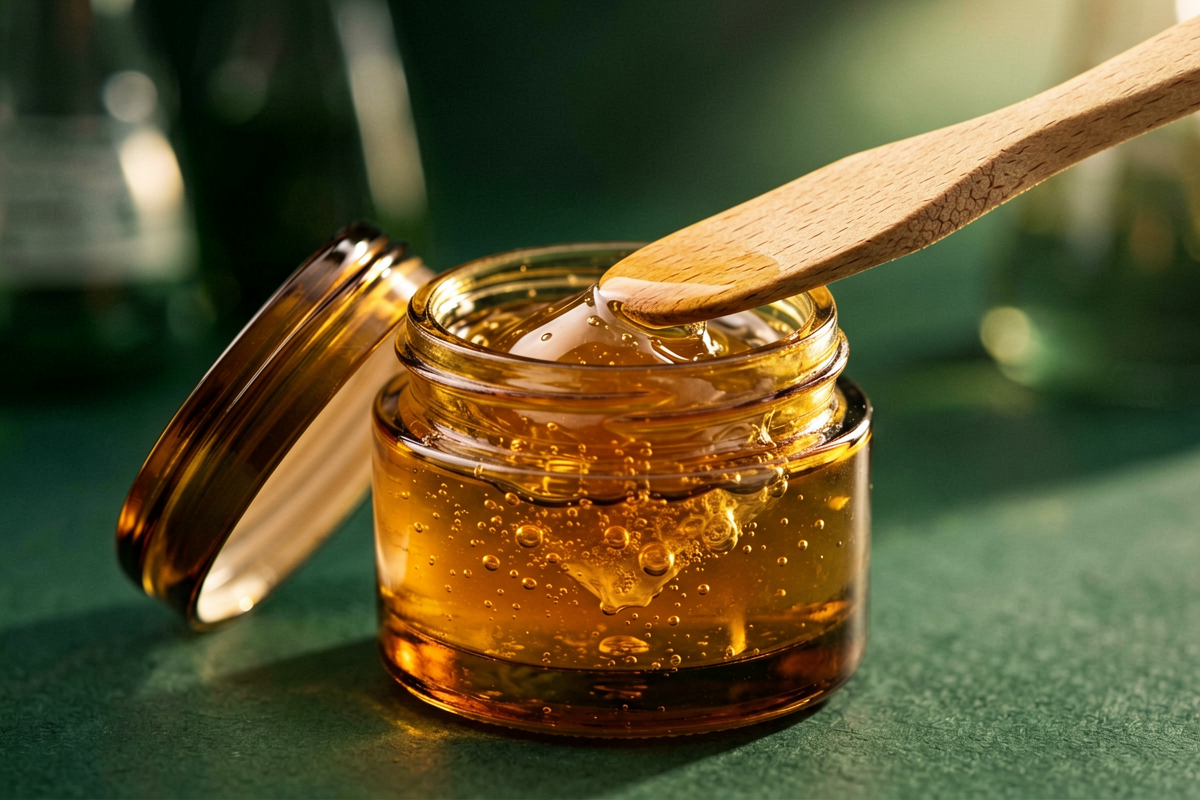
Postbiotic ingredients capture the bioactive compounds bacteria produce through their own natural activity, delivering the benefit without requiring live organisms in the formula.
Your skin microbiome questions answered
Common questions about the skin microbiome
Does washing your face too often damage the skin microbiome?
Frequency matters less than what you wash with. A gentle, pH-balanced cleanser used twice daily is unlikely to cause meaningful microbial disruption. A high-surfactant cleanser used even once daily can produce measurable microbial diversity loss within two weeks. The product formulation, particularly the surfactant concentration and the pH, is the more significant variable. In the morning, if no heavy products were applied overnight, a cool water rinse is sufficient for most skin types and produces zero microbial disruption.
Can the skin microbiome recover after disruption?
Yes, with appropriate support. The skin microbiome is resilient and will begin to rebalance when the source of disruption is removed and protective habits are introduced. Switching to a gentle cleanser, reducing exfoliation frequency, eliminating fragrance from daily products, and introducing a prebiotic or postbiotic formulation can produce measurable improvements in microbial diversity within four to six weeks. Recovery is faster in younger skin and in skin that was previously healthy, but meaningful recovery is possible across all skin types with consistent effort.
Should men approach the skin microbiome differently?
Men’s skin tends to have higher sebum production and a slightly different pH than women’s skin, which means it naturally hosts a somewhat different microbial community. Additionally, daily shaving creates a recurring localised disruption zone along the jaw and neck that can affect the microbiome in that area specifically. Post-shave products with prebiotic or postbiotic activity, combined with a gentle fragrance-free moisturiser, address both the physical and microbial disruption of shaving simultaneously. Brands including Brickell, Lumin, and Jaxon Lane carry post-shave and daily moisturisers formulated with this specific concern in mind.
More skin microbiome questions
Does sunscreen affect the skin microbiome?
Most well-formulated SPF products have minimal impact on the skin microbiome when applied and removed appropriately. UV radiation itself, however, does affect the microbiome through its impact on the skin barrier and immune function. Consistent daily SPF use, which protects both the barrier and the immune environment the microbiome depends on, is therefore a microbiome-supportive habit as much as it is a skin longevity one. Choosing fragrance-free SPF formulations removes any potential fragrance-related disruption from the equation. Ultra Violette and Katini Skin both carry fragrance-free daily SPF options with clean, barrier-appropriate formulation profiles.
Is the gut microbiome connected to the skin microbiome?
Yes, through what researchers call the gut-skin axis. The gut microbiome influences systemic inflammation levels, immune function, and the availability of nutrients that support skin health. A disrupted gut microbiome can produce systemic inflammatory signals that manifest visibly in the skin, and a diverse gut microbiome has been associated with lower rates of inflammatory skin conditions. Supporting gut health through diet, fermented foods, and targeted supplementation therefore has genuine secondary benefits for the skin. The Women’s Skincare guide on Belldiva covers the nutritional and supplement angle in further detail at belldiva.com/womens-skincare-routine-by-age-guide/.
The skin microbiome: the invisible layer beneath every healthy routine
The most important shift the skin microbiome conversation asks of us is a move away from thinking about the skin as a surface to be cleaned and toward thinking about it as a living system to be supported. The trillions of organisms that live on healthy skin are not incidental. They are part of the skin’s own biology, and they respond to how the skin is treated with a precision that many skincare routines have not yet accounted for.
Where the microbiome fits the Belldiva approach
At Belldiva, the founding philosophy that wealth without wellness is incomplete extends to the skin’s own internal ecosystem. A routine that supports the barrier, nourishes the microbiome, and works with the skin’s biology rather than against it is not a more complex routine. In most cases, it is a simpler one. Fewer products, gentler formulations, and more consistent habits create the conditions in which both the barrier and the microbiome can do their work without interruption. That is care in its most meaningful sense.
Tomorrow, the Belldiva series continues with a look at how stress affects the skin and what evidence-based steps address it, connecting the microbiome conversation to the broader relationship between emotional wellbeing and skin health.
Wealth without wellness is incomplete. Rooted in Care. Refined in You.
Sources and research references
Grice EA, Segre JA. The skin microbiome. Nature Reviews Microbiology. PMC3535073 | Byrd AL et al. The human skin microbiome. Nature Reviews Microbiology. 2024 | Nakatsuji T et al. Commensal bacteria protect against Staphylococcus aureus skin infection. Science Translational Medicine. 2024 | Myles IA et al. Skin microbiome survey of the diseased and healthy states in atopic dermatitis. Journal of Allergy and Clinical Immunology. 2024 | Prescott SL et al. The skin microbiome and barrier in atopic dermatitis: mechanisms and therapeutic targets. British Journal of Dermatology. 2025 | Habeebuddin M et al. Topical postbiotics: does the skin microbiome know the difference? International Journal of Cosmetic Science. 2025 | Losol P et al. Diet, gut microbiome, and skin microbiome interactions. Journal of Dermatological Science. 2025
The information in this guide is intended for educational purposes and reflects research current to June 2026. It does not constitute medical advice. If you are managing a diagnosed skin condition such as eczema, rosacea, or acne, please consult a qualified dermatologist before making changes to your skincare routine.
Rooted in Care. Refined in You.
Explore Belldiva’s Curated Skincare Collection
Over 70 luxury brands in beauty, skincare, hair, and wellness. Every brand chosen for genuine excellence and real results.
Belldiva’s Curated Beauty and Wellness Brands
All Belldiva Brands
Huda Beauty
Charlotte Tilbury
Sephora
MAC
Dior
Katini Skin
Ultra Violette
NYX Cosmetics
The Ordinary
Verb Products
BK Beauty
Prada Beauty
Estée Lauder
Vasanti Cosmetics
Brickell
Lumin
Blu Atlas
Liomen
Jaxon Lane
Beardbrand
Scotch Porter
Bevel
Menfirst
Atlas
SkinCeuticals
Lululemon
Mindful
Headspace
Calm
Fitbit
MyFitnessPal
Noom
Peloton App
Organifi
Ritual
HUM Nutrition
Nike
YSL (Saint Laurent Beauty)
Lancôme
Clinique
NARS
Elizabeth Arden ✦
Victoria Beckham Beauty
Make Up For Ever
Valentino Beauty
Bobbi Brown
Shiseido
Benefit Cosmetics
Smashbox
Kylie Cosmetics
Urban Decay
Sigma Beauty
Stila ✦
Clarins
Tarte Cosmetics
PUR Cosmetics
Glossier
Elemis London
Kiehl’s
Murad
Paula’s Choice
Viori Beauty ✦
Life Extension
Lumen
Fiji Water
Anastasia Beverly Hills
Serious Skincare
Qure Skincare
Armani Beauty
Dr. Brandt ✦
RoC ✦
skin microbiome
skin microbiome guide
prebiotic skincare
postbiotic skincare
skin barrier health
eczema skincare
acne skincare
rosacea skincare
men’s skincare
Belldiva skincare