
Exosomes in Skincare: What the New Research Actually Shows
Search interest is climbing. Clinical research is growing. Here is what the human trial data actually supports, and where the evidence is still catching up to the claims.
Regenerative Actives
Ingredient Education
Skin Barrier
Dermatology
By Belldiva Editorial • 2026 • 12–14 min read
Somewhere between genuine clinical promise and category overclaim, exosomes skincare has become one of the most searched topics in regenerative beauty. Search volume around this topic has grown roughly 17 percent year-over-year, reaching an estimated 31,800 monthly searches in the United States. Clinic-side interest has reportedly risen by more than 550 percent in the same period. The question worth asking is not whether exosomes are interesting. It is whether what arrives in a serum on your shelf can do what a clinical procedure does. Based on the current peer-reviewed evidence, the answer is more textured than the marketing suggests.

What Are Exosomes?
In essence, exosomes are extracellular vesicles, meaning tiny membrane-enclosed packets secreted by nearly every cell type in the body. They range in size from roughly 30 to 150 nanometres. Their biological role is cell-to-cell communication. When one cell releases an exosome, a receiving cell can absorb that molecular cargo and respond to it. The payload inside these vesicles includes proteins, lipids, growth factors, and nucleic acids such as microRNA.
In skin biology, exosomes produced by stem cells, keratinocytes, and fibroblasts help coordinate wound healing, collagen synthesis, and barrier repair. This signalling function is what draws regenerative medicine to them. They do not act on the skin as a conventional ingredient would. Instead, they prompt skin cells to behave in a particular way, which is a meaningfully different mechanism from most actives in a skincare routine. Understanding this distinction matters before you evaluate any product making exosome claims.
Why Interest Is Outpacing the Evidence
Indeed, the surge in consumer interest around this ingredient is measurable. Data from research firm Spate, as reported by Mibelle Biochemistry, places year-over-year growth in US search volume at approximately 17 percent, reaching around 31,800 monthly searches. Clinical commentary from Salisbury Plastic Surgery in 2025 noted that clinic-based search interest related to exosome treatments had risen by a reported 557 percent year-over-year. Altogether, these are striking numbers, and they reflect genuine public curiosity.
They also reflect something that recurs in skincare: an ingredient with a strong history in regenerative medicine crossing into the consumer market before the regulatory and evidence frameworks have fully caught up. The peer-reviewed research is promising in specific contexts. However, it is not yet comprehensive enough to support every claim appearing on retail packaging. Understanding that gap is the most practical starting point for making an informed decision about these products.
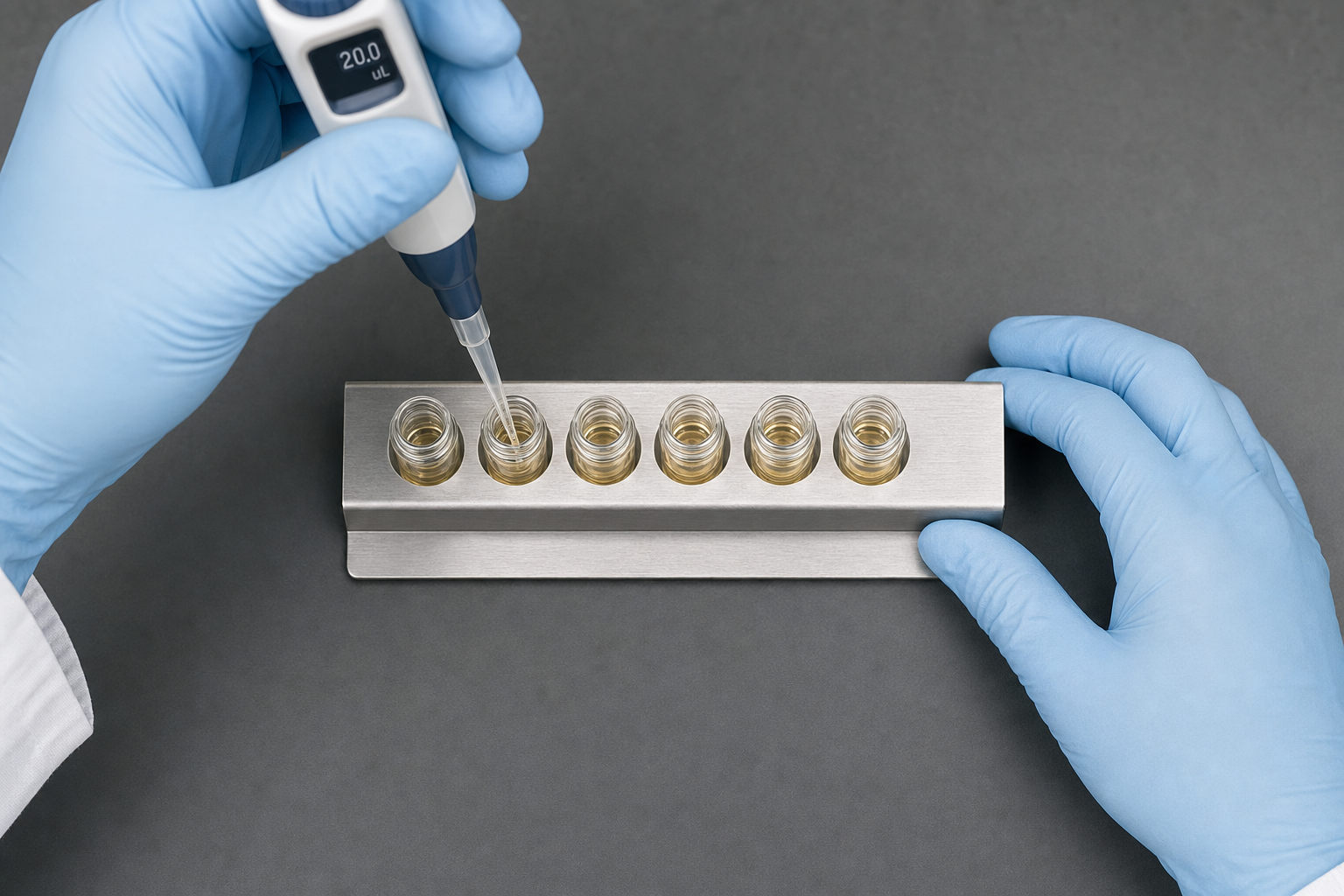
Exosomes Skincare: What Human Trials Actually Show
The most useful frame for reading the current evidence is to separate what controlled human trials have actually measured from what has been extrapolated or assumed. Three peer-reviewed publications from 2025 inform this analysis. The first is a comprehensive review by Nahm et al. in the International Journal of Dermatology, published by Wiley. The second is a systematic review of human studies in Dermatology Practical and Conceptual, available via PubMed Central. The third is a clinical commentary by Haykal et al. in the Journal of Drugs in Dermatology. Together, these papers draw on a growing but still limited body of randomised and controlled human studies, and they paint a more measured picture than most product marketing suggests.
Hydration and Barrier Function
Across the reviewed human studies, hydration and barrier function are where the evidence is most consistent. Nahm et al. reported measurable improvements in skin moisture content and reductions in transepidermal water loss following exosome-based treatments. The systematic review in Dermatology Practical and Conceptual found that hydration outcomes were among the most replicated results across study populations. This consistency is notable, particularly across different study designs and participant groups.
Taken together, this suggests that exosome preparations, particularly those derived from stem cell sources, can offer genuine barrier reinforcement under clinical conditions. These are meaningful findings. They are also more modest in scope than many consumer-facing descriptions imply. A product that supports hydration and barrier repair is genuinely useful. It is not the same as a product claiming complete cellular renewal or structural skin transformation.
What Human Trials Have Reported on Hydration and Barrier
Supported by evidence
Improved skin moisture content
Reduced transepidermal water loss
Enhanced barrier function markers
Context to keep in mind
Most studies used professional delivery methods
Sample sizes across individual studies vary
Long-term maintenance data remains limited
Wrinkle and Elasticity Findings
Human trial data also points to early improvements in skin elasticity and fine line depth. Haykal et al. noted findings from studies pairing exosome application with microneedling, where participants showed measurable reductions in wrinkle scores and improvements in skin firmness over the treatment period. Additionally, the PMC systematic review found that elasticity improvements were more consistent in paired protocols than in topical application alone. This pattern appears across multiple reviewed studies.
Moreover, this is an important distinction that deserves attention. The strongest results consistently appear in professional treatment settings. Topical-only application produced less consistent outcomes in the reviewed studies. The elasticity and wrinkle data is encouraging. It is also, at this stage, preliminary rather than definitive, and the delivery method used in those trials matters considerably.
“The most consistent elasticity and wrinkle improvements in human trials came from exosome treatments paired with microneedling in a professional setting, not from topical application alone.”
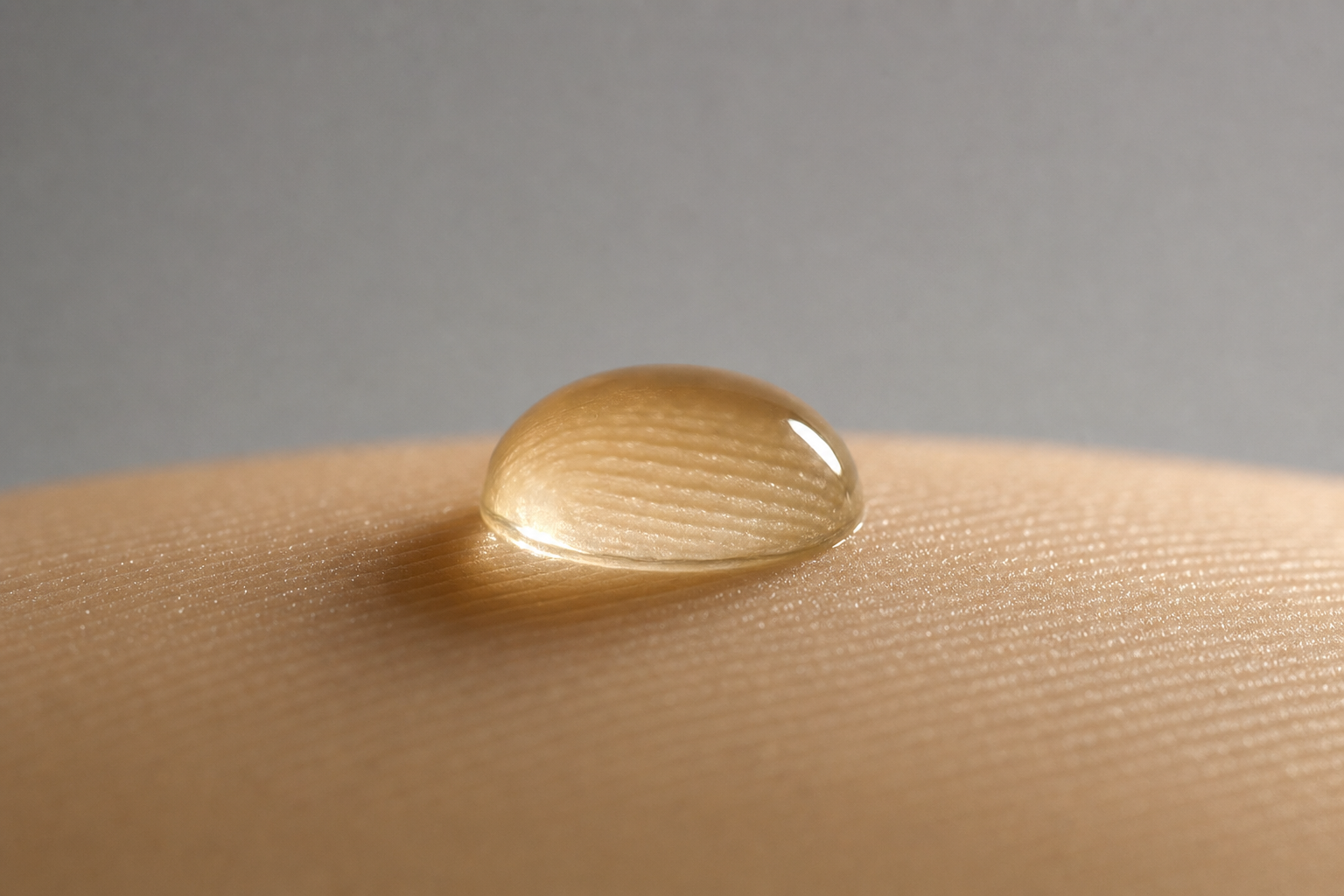
Why the Clinic Differs From the Counter
Notably, this distinction matters more than most product descriptions acknowledge. Exosomes measure between 30 and 150 nanometres. The stratum corneum is a formidable barrier, and passive penetration of intact vesicles through undisrupted skin is not well established by current research. The skin’s outermost layer is designed to keep foreign particles out. Large molecules and particles generally cannot pass through it without some form of delivery assistance.
In a clinical setting, microneedling creates temporary microchannels in the skin surface. These channels allow exosome preparations to reach the dermal layer, where their signalling activity becomes more biologically plausible. A serum applied topically at home simply cannot recreate this delivery pathway. What an exosome ingredient achieves sitting on intact skin is a meaningfully different question from what it can accomplish post-needling in a controlled, professional environment.
Even so, this does not mean at-home exosome products offer nothing. The evidence for hydration and barrier support is real, and those outcomes do not necessarily require deep dermal penetration. However, it is worth being clear-eyed about the difference between surface-level application and the kind of clinical delivery that produces the most significant results in the literature. The honest version of this ingredient story involves both of those realities.
What Remains Unregulated
Furthermore, the regulatory landscape for topical exosome products is genuinely complex. In Canada and the United States, exosome-containing skincare serums are currently classified as cosmetics rather than drugs. This classification means they are not required to demonstrate clinical efficacy before entering the market. Any brand can launch a product labelled with exosomes without proving what those exosomes do once they are in the formulation.
There is also no standardised framework for measuring exosome concentration, viability, or potency in a finished consumer product. Sourcing varies considerably across the category. Exosomes used in skincare may be derived from plant cells, human stem cells, or bacterial sources. Each source carries a different biological profile and a different evidence base. Furthermore, a product is not required to specify its exosome source clearly on the label.
Beyond sourcing, exosomes are living biological structures. Their viability in a retail formulation stored at room temperature for several months is a legitimate open question. Product labels do not answer it. None of this means these products lack value. It does mean that the gap between the ingredient’s clinical potential and what it achieves in a tube on a bathroom shelf is considerable, and that gap is worth understanding before you invest.
17%
Year-over-year growth in US search volume
557%
Reported rise in clinic-side interest, 2025
30–150nm
Approximate size range of exosome vesicles
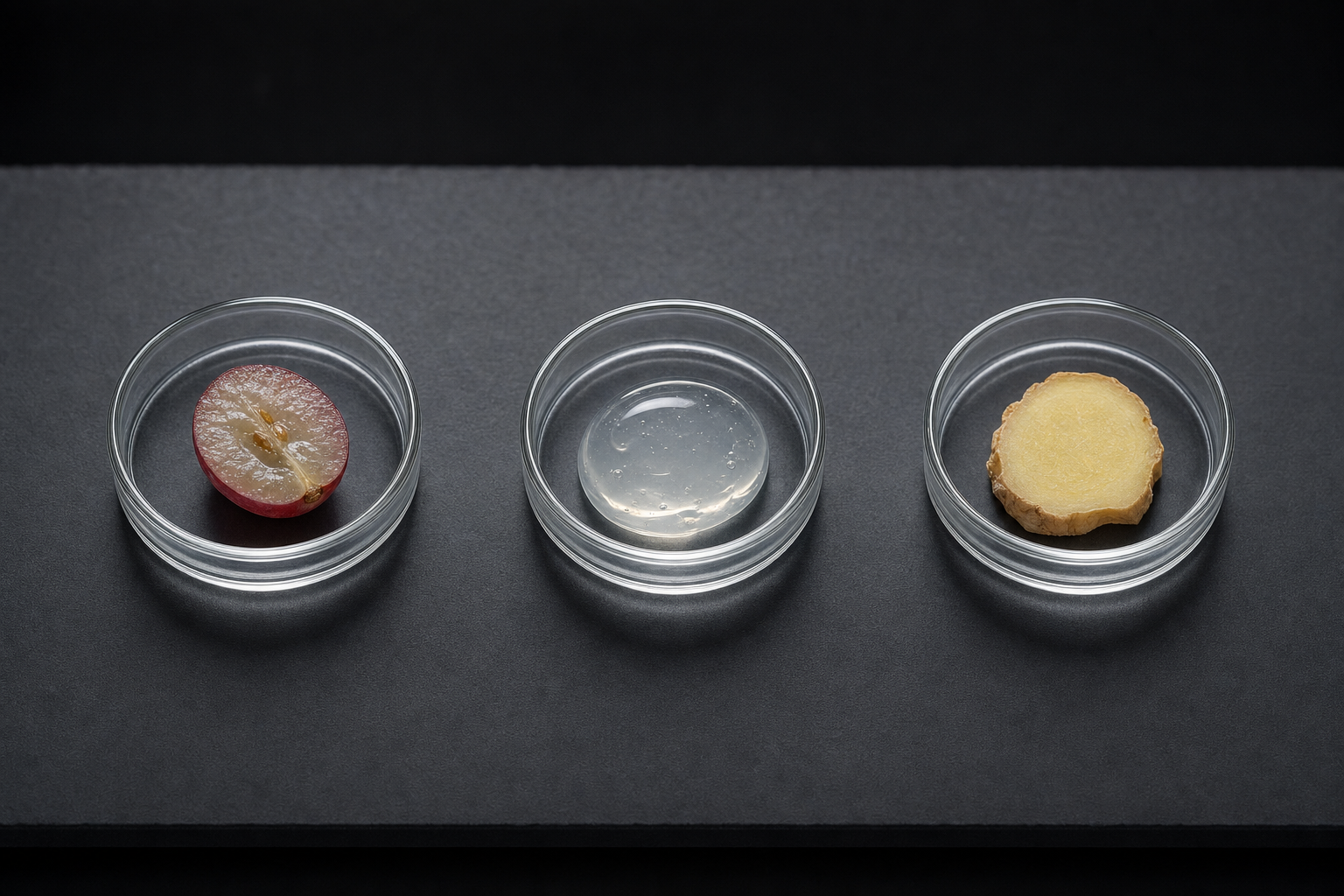
The Types of Exosomes Used in Skincare Products
Sourcing is one of the most variable factors across the exosome skincare category, and it directly shapes what a product can offer. Understanding the three main types helps you read labels more accurately.
Specifically, plant-derived exosomes are extracted from botanical sources such as ginger root, grapes, or sunflowers. They are generally more stable in cosmetic formulations and raise fewer ethical or regulatory concerns. Their biological content differs from human-derived equivalents. The research on plant exosomes in human skin is promising but still developing, and the evidence base is thinner than for stem cell-derived options.
Additionally, human stem cell-derived exosomes carry the most direct biological relevance to human skin physiology. These are typically derived from mesenchymal stem cells and contain growth factors, cytokines, and microRNA that closely mirror the signalling environment of human tissue. Their sourcing requires rigorous protocols, and their stability in a finished retail product is a more complex question. This source type accounts for much of the clinical trial data discussed earlier.
Bacterial or other non-human-derived sources also appear across the category. These are less common in premium formulations but not absent. When a product does not specify its exosome source, that omission is worth noting. Transparency about sourcing is a reasonable baseline expectation from any brand operating in this space.
Brands Worth Watching in This Space
Within the Belldiva portfolio, several brands approach regenerative skincare with the scientific seriousness this category demands. The Ordinary has built its following on formulation transparency and an evidence-first approach to emerging actives. Their willingness to follow published research rather than trend momentum makes them a name to watch as the exosome category matures. SkinCeuticals occupies a clinically grounded tier of skincare. With a portfolio closely tied to peer-reviewed dermatological evidence, SkinCeuticals has long been a benchmark for how science translates into formulation.
Dr. Brandt ✦, a dermatologist-founded brand, brings genuine clinical expertise to its regenerative skincare work. Their understanding of how professional treatments and active ingredients intersect is particularly relevant in a category where delivery context shapes outcomes. Murad, similarly grounded in clinical research, approaches active ingredients through an evidence-based lens that makes it a thoughtful choice as the conversation around regenerative actives continues to evolve. Both are brands whose next moves in this space are worth following.
A Sensible Approach at Home
If you are curious about exosome products and want to use them wisely, a few guiding principles apply. First, look for transparency about sourcing. Whether a product uses plant-derived, stem cell-derived, or another type of exosome source matters to its biological profile and its evidence base. A brand that does not tell you is worth questioning.
What Exosomes Skincare Can Realistically Do at Home
Second, consider the delivery context honestly. A topical exosome serum applied at home is a different proposition from a professional treatment paired with microneedling. The most clinically supported outcomes require clinical delivery. Adjust your expectations accordingly, and choose products for what they can realistically achieve at the surface level. The hydration and barrier support evidence is the most reliable foundation for an at-home decision.
Third, support any regenerative active with a strong foundational routine. A healthy skin barrier, consistent hydration, and daily SPF give any active ingredient the best possible conditions to work. For a detailed look at building that foundation, the Belldiva skin barrier repair guide is a useful companion read alongside this post. Finally, if you are considering professional exosome treatments, consult a licensed dermatologist who can assess your skin goals and guide the protocol appropriately.
What to Look For When Choosing an Exosome Product
Worth prioritising
Clear sourcing information on the label
Dermatologist-founded or clinically backed brand
Referenced human study evidence
Worth approaching with caution
Unspecified exosome source
Claims that match clinical trial outcomes without clinical delivery
No transparency on concentration or formulation method
Common Questions
Are topical exosome products safe to use?
Generally, yes, based on the current literature. Adverse reactions reported in human studies have been minimal. That said, quality control is not uniform across the category, and sourcing varies considerably. A patch test before committing to a full routine is a sensible precaution, as it is with any active serum.
How are plant-derived exosomes different from stem cell-derived ones?
Plant exosomes carry different molecular cargo than those derived from human stem cells. Stem cell-derived exosomes have the closest biological relevance to human skin physiology. Plant-derived versions are generally more stable in formulation and raise fewer sourcing concerns. Each has a different evidence base, and neither has been definitively ranked above the other in human skin research at this stage.
Can I combine an exosome serum with other actives?
Yes, in most cases. Exosome serums are generally well tolerated alongside hydrating ingredients, peptides, and SPF. If you are pairing with retinoids or chemical exfoliants, introduce them on separate evenings initially and build from there. For a related read on layering regenerative actives, the Belldiva PDRN skincare guide covers compatible layering approaches in detail.
Where the Evidence Leaves Us
Rooted in Care. Refined in You.
Care rooted in curiosity is a worthy practice. Exosomes represent a genuinely fascinating chapter in regenerative science, and the best of the current research is worth taking seriously. The gap between what this ingredient achieves in an ideal clinical context and what it does in a daily retail serum is real. Understanding that gap is not cynicism. It is the kind of clear-eyed engagement that leads to better decisions.
At Belldiva, the goal has always been to help you invest in your skin with accurate information. Because wealth without wellness is incomplete, and wellness built on overclaimed actives is not wellness at all.
Sources and Further Reading
Nahm WJ et al. Exosomes in Dermatology: A Comprehensive Review. International Journal of Dermatology. 2025. Wiley Online Library.
Efficacy of Exosome-Based Therapies for Skin Rejuvenation: A Systematic Review of Human Studies. Dermatology Practical and Conceptual. 2025. PubMed Central (PMC).
Haykal D et al. Exosomes in Cosmetic Dermatology. Journal of Drugs in Dermatology. 2025.
Search volume growth data: Spate, as reported by Mibelle Biochemistry, 2025.
Clinic-side interest data: Salisbury Plastic Surgery clinical commentary, 2025.
The information in this post is intended for educational purposes and reflects research current to 2025–2026. It does not constitute medical or dermatological advice. Please consult a qualified dermatologist before making changes to your skincare regimen or pursuing professional treatments.
Rooted in Care. Refined in You.
Explore Belldiva’s Curated Skincare Collection
Over 70 luxury brands in beauty, skincare, hair, and wellness. Every brand chosen for genuine excellence and real results.
Luxury Beyond Boundaries • Rooted in Care, Refined in You
Belldiva’s Curated Beauty and Wellness Brands
All Belldiva Brands
Huda Beauty
Charlotte Tilbury
Sephora
MAC
Dior
Katini Skin
Ultra Violette
NYX Cosmetics
The Ordinary
Verb Products
BK Beauty
Prada Beauty
Estée Lauder
Vasanti Cosmetics
Brickell
Lumin
Blu Atlas
Liomen
Jaxon Lane
Beardbrand
Scotch Porter
Bevel
Menfirst
Atlas
SkinCeuticals
Lululemon
Mindful
Headspace
Calm
Fitbit
MyFitnessPal
Noom
Peloton App
Organifi
Ritual
HUM Nutrition
Nike
YSL (Saint Laurent Beauty)
Lancôme
Clinique
NARS
Elizabeth Arden ✦
Victoria Beckham Beauty
Make Up For Ever
Valentino Beauty
Bobbi Brown
Shiseido
Benefit Cosmetics
Smashbox
Kylie Cosmetics
Urban Decay
Sigma Beauty
Stila ✦
Clarins
Tarte Cosmetics
PUR Cosmetics
Glossier
Elemis London
Kiehl’s
Murad
Paula’s Choice
Viori Beauty ✦
Life Extension
Lumen
Fiji Water
Anastasia Beverly Hills
Serious Skincare
Qure Skincare
Armani Beauty
Dr. Brandt ✦
RoC ✦
exosomes skincare
exosome serum
regenerative skincare
skincare science
skincare ingredients
skin barrier
dermatology
collagen skincare
emerging actives
Belldiva skincare