Salmon DNA Skincare, Decoded: What PDRN and Polynucleotides Actually Do for Your Skin
PDRN skincare is one of the fastest-growing categories in K-beauty. Here is what the research actually supports, and what it does not yet prove.
Regenerative
K-Beauty
Collagen
Salmon DNA
By Belldiva Editorial • June 2026 • 11–13 min read
PDRN skincare is one of the most searched ingredient categories of 2026, and for good reason. Also known as salmon DNA skincare or polynucleotide skincare, PDRN has moved quickly from dermatology clinics in South Korea into mainstream serums and ampoules across global beauty shelves. But the ingredient has a genuinely unusual origin, a well-documented clinical mechanism, and an evidence base that is stronger for some applications than others. This guide explains what PDRN is, what the peer-reviewed research actually confirms it can do, why the topical and injectable versions work differently, and how to evaluate the products now appearing in the market. All sources are from peer-reviewed publications or registered clinical research published between 2023 and 2026.
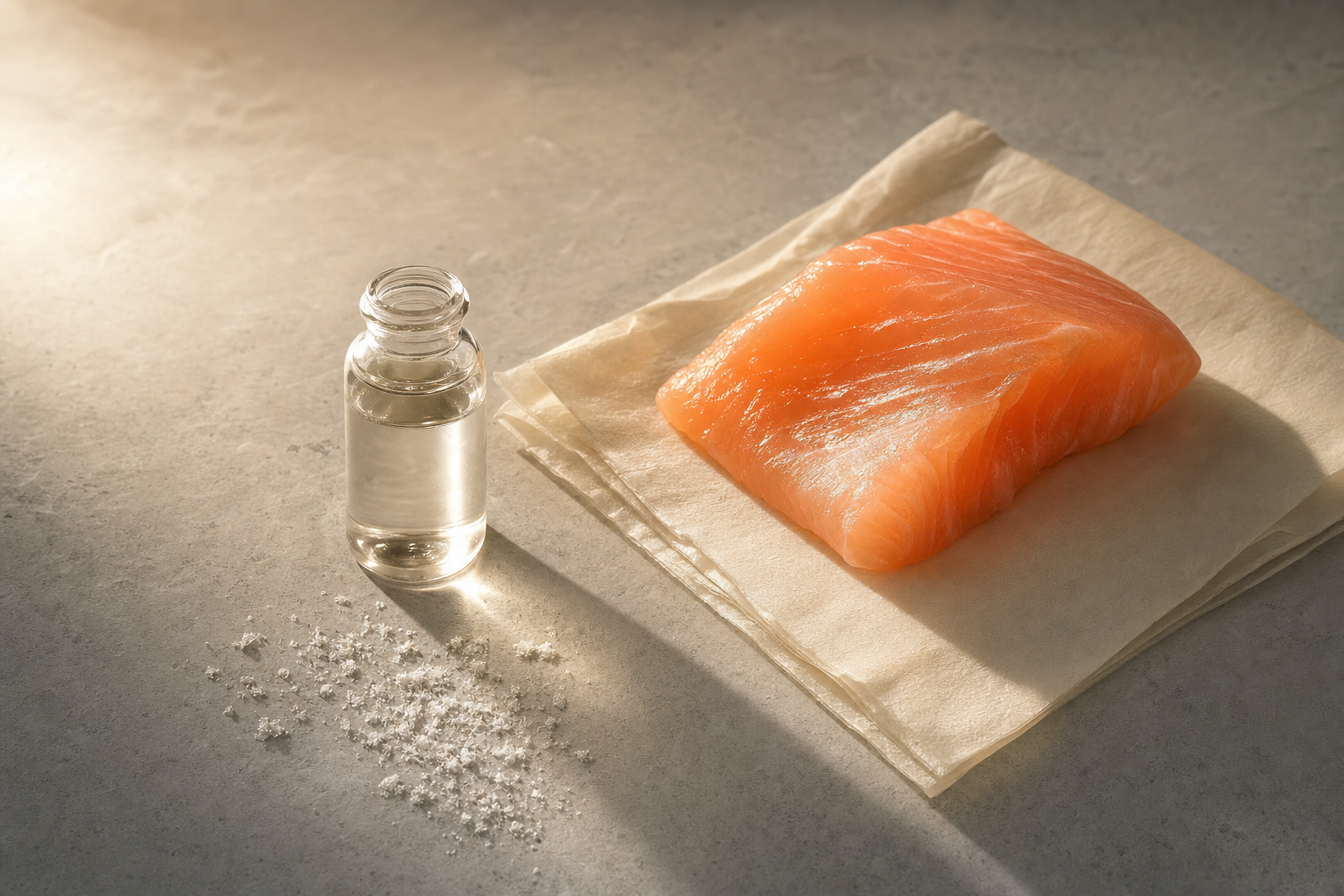
PDRN began as a wound-healing compound approved in clinical settings. What changed is that formulation science has now made it viable in topical form.
What PDRN skincare actually is
The name is more interesting than the acronym suggests. Here is where it comes from and why it matters for skin.
The origin of the ingredient
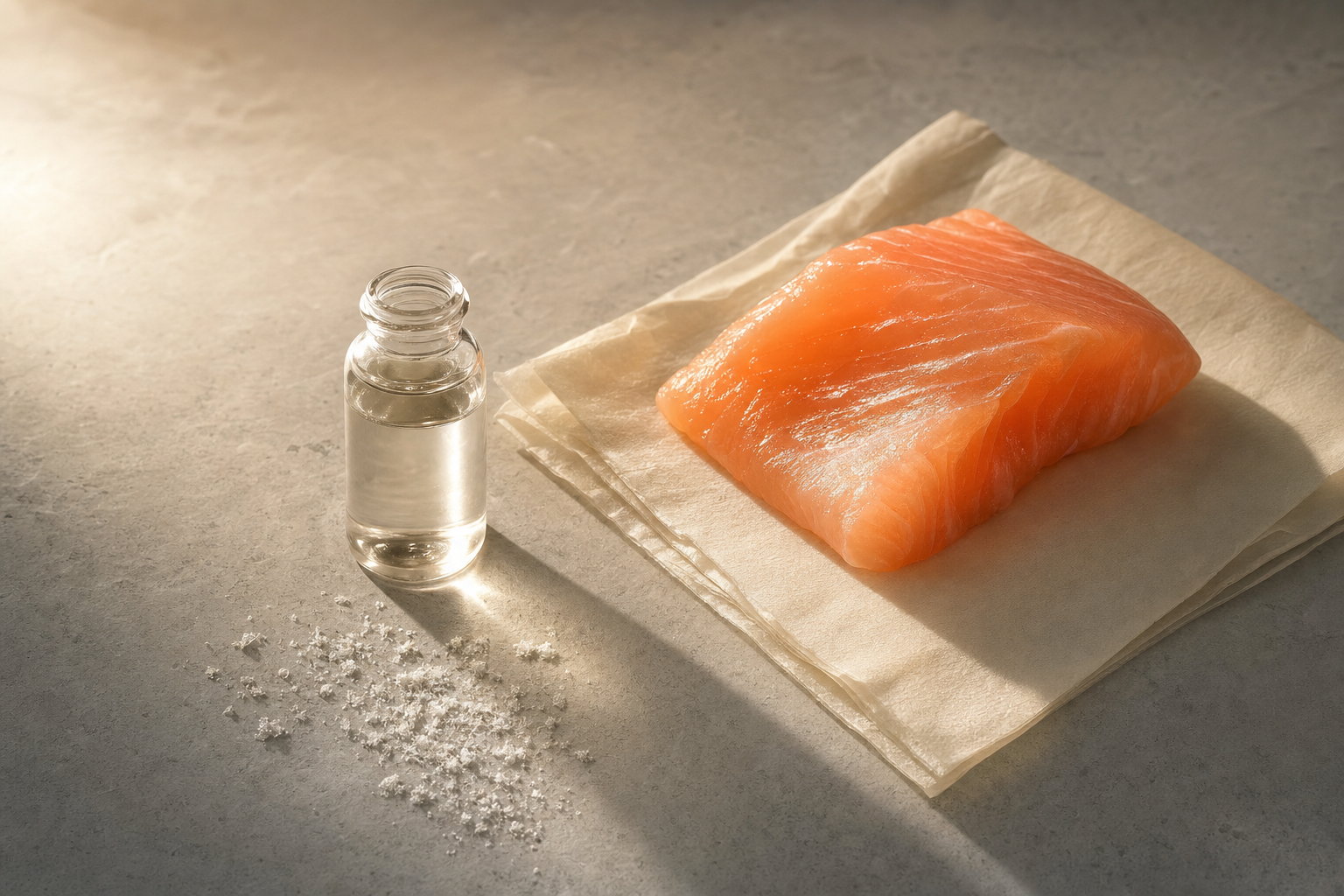
PDRN stands for polydeoxyribonucleotide. It is a biopolymer derived from highly purified DNA, most commonly extracted from salmon sperm. The salmon connection is not a marketing gimmick. Salmon DNA shares a very high structural similarity with human DNA, which is what makes it biologically useful in dermatological applications. The Italian Medicines Agency approved PDRN in 1994 for the treatment of superficial wounds, skin ulcers, and connective tissue disorders. It has been used in clinical medicine for decades, and its regenerative properties are the foundation of the current skincare category.
PDRN versus polynucleotides: what is the difference?
You will often see PDRN and PN (polynucleotides) used interchangeably on product labels and in beauty media. They are related but technically distinct. PDRN refers specifically to shorter DNA polymer chains. Polynucleotides is the broader category term and can include longer fragments with a greater molecular weight. A 2025 review published in Applied Sciences (MDPI) clarified that the distinction matters for both mechanism and penetration depth. In practice, most consumer-facing products now use the terms interchangeably, and the clinical evidence behind both is similar in nature.
Why K-beauty brought it to the mainstream
South Korean aesthetic medicine adopted injectable PDRN early and built a strong clinical track record across thousands of patients. When the broader K-beauty market began translating clinic-level ingredients into accessible topical formats, PDRN was a natural fit. According to Future Market Insights, search interest for PDRN serums surged substantially across global markets from 2024 to 2025. Cosmetics Business reported in October 2025 that the first recombinant salmon PDRN, produced without animal sourcing, had arrived commercially, signalling the category’s maturation from a niche clinical extract into a formulated cosmetic ingredient with evolving production methods.
Year PDRN was approved by Italy’s AIFA for wound healing and connective tissue disorders
Studies reviewed in a 2025 MDPI comprehensive review of PDRN in dermatological science
Daltons: the molecular weight threshold the skin barrier uses to block most topical ingredients from reaching the dermis
How PDRN works in the skin
The mechanism is well studied and genuinely interesting. Two distinct pathways explain why this ingredient produces the results it does.
Pathway one: the adenosine A2A receptor
PDRN selectively activates adenosine A2A receptors on fibroblasts, keratinocytes, and immune cells. This activation triggers a cascade of downstream effects: increased VEGF expression, a shift toward anti-inflammatory cytokines, and direct stimulation of collagen synthesis. A foundational 2008 study using genetically diabetic mice found that daily PDRN injections nearly doubled wound-breaking strength and produced a marked increase in CD31, a marker of new blood vessel formation. Critically, these effects disappeared when researchers blocked the A2A receptor, confirming this as the primary mechanism rather than a secondary effect.
Pathway two: the nucleotide salvage pathway
The second mechanism is the salvage pathway. Cells that are under stress, oxygen-deprived, or simply aged often struggle to synthesise new nucleotides through their normal metabolic routes. PDRN supplies pre-formed nucleotide fragments that fibroblasts can absorb and reuse for DNA repair and cell renewal. This is particularly relevant for skin that has reduced metabolic capacity from cumulative UV exposure, repeated inflammation, or the slower cellular turnover that comes with time. The 2025 comprehensive MDPI review of 175 studies confirmed both pathways are well established in the preclinical and clinical literature.
What this means for skin in practice
When these two mechanisms are functioning, the clinical outcomes documented in the literature include improved skin elasticity, reduction in fine lines, better hydration, faster wound healing, reduced acne scarring, and decreased hyperpigmentation. Research published in Tissue Engineering and Regenerative Medicine showed that PDRN significantly increased fibroblast proliferation and collagen synthesis within 48 hours of application in laboratory settings. A separate body of research showed that PDRN reduces inflammatory cytokines including TNF-alpha and IL-6, which explains its particular usefulness for reactive, post-procedure, and barrier-compromised skin.
PDRN does not work by adding a surface layer. It works by giving damaged cells the building blocks they need to repair themselves.

The clinical evidence for PDRN is strongest where results are measured biologically, through elasticity testing, collagen density imaging, and biopsy, rather than self-reported perception alone.
Injectable versus topical PDRN: an honest comparison
This is the most important distinction in the entire PDRN category. The delivery method changes everything about what the evidence supports.
Why injectable PDRN has a stronger evidence base
The majority of the published clinical research on PDRN was conducted using intradermal injections. This matters because PDRN molecules are large, and the skin barrier is specifically designed to block molecules above approximately 500 Daltons. PDRN fragments range from 50,000 to 1,500,000 Daltons. When injected, the molecule bypasses this barrier entirely and reaches fibroblasts in the dermis directly. A 2024 review in the International Journal of Molecular Sciences found that PDRN-based fillers outperformed or matched hyaluronic acid in several head-to-head trials, with the added benefit of biological stimulation rather than purely mechanical volumisation. That evidence, however, is specific to the injectable form.
The topical challenge: penetration and formulation
Topical PDRN faces a real challenge. The skin barrier blocks approximately 99 percent of foreign molecules. PDRN at standard molecular weight cannot cross this barrier meaningfully in its intact form. What has changed is formulation science. Between 2015 and 2020, cosmetic chemists developed nano-encapsulation technology that packages PDRN into carriers of 20 to 100 nanometres, small enough to pass through the stratum corneum. Low molecular weight PDRN fragments, which are smaller and more penetration-capable, have also become more widely available. These advances have made topical PDRN genuinely more viable than early formulations. However, the honest position, stated clearly in both the 2024 JCAS narrative review and a 2026 clinical overview from Skin Science Hub, is that the independent clinical evidence for topical PDRN specifically remains limited. Most studies cited by brands were conducted using injectables.
What topical PDRN can realistically do
Topical PDRN at low molecular weight, in a well-formulated product, can plausibly deliver surface-level benefits: improved hydration, soothing of reactive skin, support for barrier repair, and mild texture improvement with consistent use over weeks. These are meaningful outcomes. They are not the same as the elasticity gains and wrinkle reduction documented in injectable trials. A balanced view is that topical PDRN is a supportive, regenerative addition to an established routine rather than a replacement for clinically validated actives like retinol, vitamin C, or peptides. Products that pair PDRN with penetration-enhancing ingredients such as niacinamide, growth factors, or hyaluronic acid are more likely to deliver compounded benefits.
01
Injectable PDRN
Strong, well-replicated clinical evidence. Delivers PDRN directly to dermal fibroblasts, bypassing the skin barrier entirely. Documented improvements in elasticity, wrinkle depth, and skin thickness in multiple peer-reviewed trials. Performed by a qualified practitioner. Not FDA-approved in the United States but widely used in South Korea, Italy, and other markets.
02
Topical PDRN
Emerging category with limited independent clinical trials specific to topical application. Benefits are plausible based on mechanism and are most supported for hydration, barrier soothing, and surface texture. Best results come from low molecular weight formulations with penetration-enhancing delivery systems. Works well as a complementary step rather than a standalone anti-ageing treatment.
03
Combined approach
Using topical PDRN daily alongside periodic in-clinic PDRN or polynucleotide injections is increasingly common in aesthetic medicine. The topical product supports the skin between clinic visits and maintains the hydration and barrier benefits, while the injectable delivers the deeper regenerative results. Practitioners in South Korea and Europe commonly recommend this layered approach.
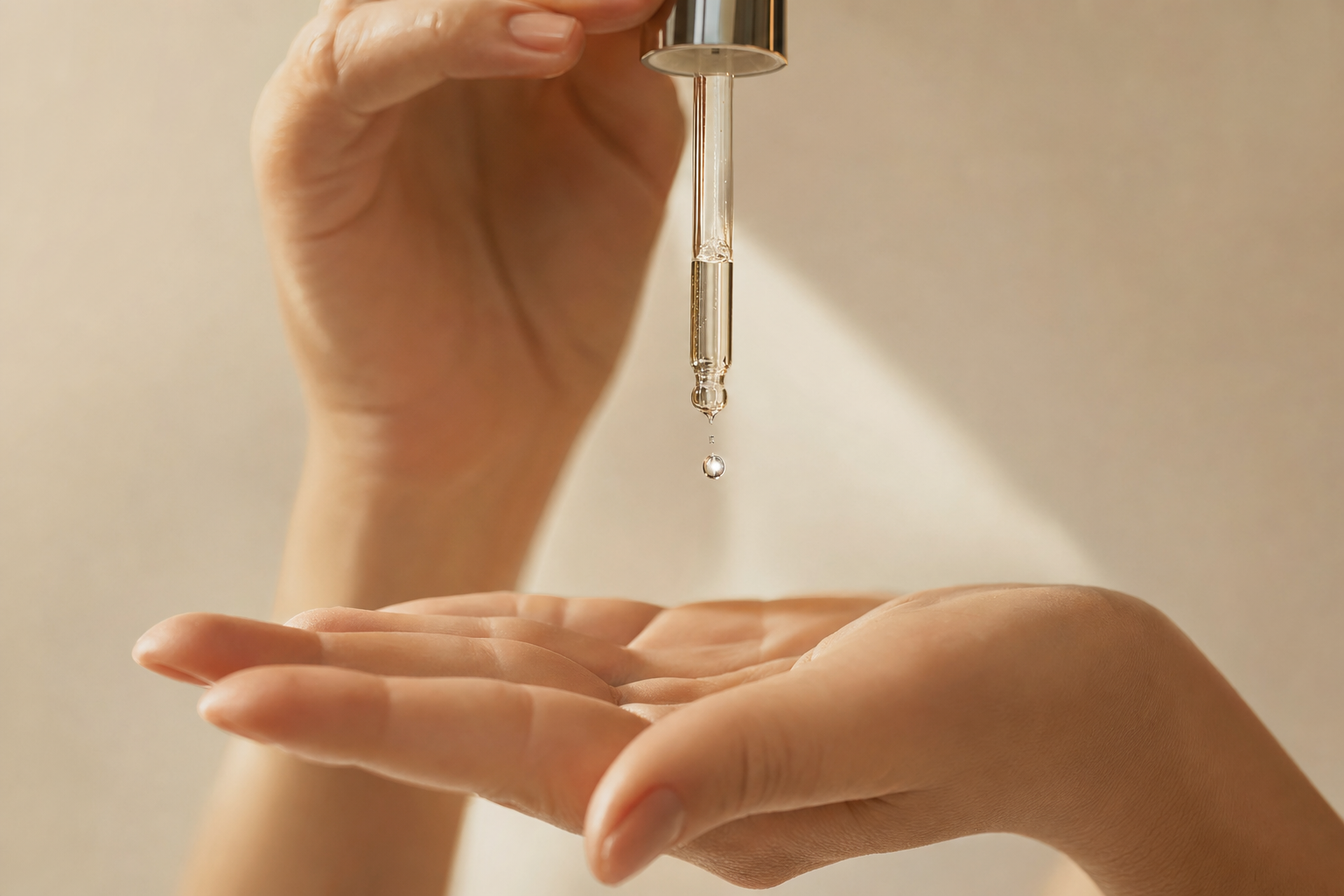
Topical PDRN works most effectively as part of a considered routine, not as a single-ingredient solution.
What the evidence actually confirms for PDRN skincare
A clear-eyed summary of where the research is strong, where it is emerging, and where marketers are getting ahead of the science.
Well-supported by evidence
The regenerative mechanism of PDRN is genuinely well established. Fibroblast activation through the A2A receptor pathway is confirmed in both in vitro and in vivo studies. The anti-inflammatory effect, specifically the reduction of TNF-alpha and IL-6, is documented across multiple independent research groups. Wound healing improvements are consistently shown in clinical trials. The 2025 Global Journal of Pharmaceutical Sciences review, drawing on both preclinical and clinical work, confirmed that PDRN facilitates collagen synthesis, promotes fibroblast proliferation, encourages angiogenesis, aids DNA repair, and modulates inflammatory mediators.
Supported but with important caveats
Anti-ageing outcomes including wrinkle reduction and improved elasticity are supported by clinical data, but most of that data comes from injectable studies with small sample sizes and limited blinding. A systematic review published in the Journal of Cosmetic and Aesthetic Surgery in 2026 noted that while the potential of polynucleotides is significant, current evidence is fraught with inconsistencies. More controlled trials are needed before firm conclusions can be drawn on dose, delivery, and long-term outcomes for topical applications specifically.
Where the science is still developing
The specific effects of topical PDRN at different concentrations and molecular weights are not yet well defined in independent peer-reviewed literature. Penetration depth, optimal formulation, and long-term topical outcomes all remain areas where consumer product claims are running ahead of the published science. This does not mean the products are ineffective. It means the evidence base for topical PDRN specifically is still being built, and claims should be evaluated with that context in mind.
An ingredient with a strong mechanism and a developing evidence base is not a reason to dismiss it. It is a reason to understand it properly.
How to use PDRN skincare in your routine
Practical guidance on where PDRN fits, what to pair it with, and who benefits most from adding it.
Where it sits in a routine
Topical PDRN serums and ampoules typically sit after cleansing and toning, and before heavier moisturisers. Because PDRN is water-soluble and hydrophilic, it absorbs easily on clean skin. Apply it to slightly damp skin for best uptake, and follow with a moisturiser to seal in the hydration benefits. PDRN is generally well tolerated, including by sensitive skin, as the anti-inflammatory mechanism tends to calm rather than aggravate reactive skin. It does not require separation from other actives and pairs well with peptides, hyaluronic acid, and niacinamide. Brands such as SkinCeuticals, Murad, and Elemis London carry regenerative serums that work alongside or instead of PDRN depending on your routine goals.
Who benefits most
The research most consistently supports PDRN for skin that is recovering from a procedure, managing ongoing inflammation, dealing with post-acne marks, or showing early signs of volume and elasticity changes. It is also well suited to skin that has been over-treated with stronger actives and needs a period of barrier support and repair. As an addition to an established routine built around barrier repair, calming ingredients, and consistent SPF, PDRN offers a genuinely evidence-grounded regenerative layer.
What to look for on a product label
01
Molecular weight
Look for low molecular weight or nano-encapsulated PDRN. Products that do not specify molecular weight are less likely to be formulated for meaningful skin penetration beyond surface hydration.
02
Concentration
PDRN is listed in parts per million (ppm) on some labels. Established brands in the K-beauty space typically use concentrations in the range of 1,000 to 5,000 ppm for their topical formulations. Very low concentrations listed deep in the ingredient list may contribute little beyond a marketing claim.
03
Supporting ingredients
PDRN paired with peptides, growth factors, niacinamide, or hyaluronic acid tends to deliver more compounded outcomes than PDRN alone. These supporting ingredients either enhance penetration or amplify the collagen and hydration signals PDRN initiates.

Not all PDRN products are formulated equally. Molecular weight, concentration, and supporting ingredients determine whether the evidence behind the mechanism translates into real skin benefit.
Your PDRN skincare questions answered
Common questions about PDRN skincare
Is PDRN safe to use?
Yes, in both injectable and topical form, PDRN has a strong safety record. The 2025 MDPI review covering 175 studies noted mild and transient adverse events at most, consistent with what would be expected for any dermal application. Topical PDRN is particularly well tolerated. If you have a fish allergy, confirm with your dermatologist before using salmon-derived PDRN, and look for plant-based or recombinant alternatives if needed.
How long does it take to see results?
Injectable PDRN trials typically measure outcomes at 8 to 12 weeks, with some improvements noted as early as four weeks. Topical PDRN, working more gradually and at a more superficial level, is likely to show hydration and soothing benefits within two to four weeks, and texture changes with consistent use over two to three months. Patience and consistency matter more than frequency of application.
More questions about PDRN
Can I use PDRN with retinol or vitamin C?
Yes. PDRN does not conflict with either retinol or vitamin C. Because PDRN has anti-inflammatory properties, it can actually be a useful counterbalance to the initial sensitivity some people experience when starting a retinol routine. A common approach is to use PDRN in the morning and retinol at night, with vitamin C also in the morning sequence.
Are vegan or plant-based PDRN alternatives as effective?
This is an active area in formulation science. Plant-derived nucleotide ingredients and fermentation-derived alternatives are being developed to replicate the same fibroblast-activating mechanism without animal sourcing. A 2025 study in the International Journal of Molecular Sciences found that yeast-derived nucleotides enhanced fibroblast migration and proliferation in laboratory settings. The independent clinical evidence for plant-based alternatives is still catching up with the salmon-derived version, but the underlying mechanism is the same and results look comparable in early data.
PDRN skincare: a regenerative ingredient worth understanding
PDRN skincare sits in a genuinely interesting position in 2026. The underlying biology is well established and the clinical mechanism is real. The injectable form has a strong, decades-long evidence base. The topical category is newer, formulation-dependent, and still accumulating the independent clinical data it needs. What this means practically is that PDRN is worth taking seriously, worth understanding properly, and worth approaching with calibrated expectations rather than either dismissal or uncritical enthusiasm.
For anyone building a thoughtful, evidence-based skincare routine, PDRN sits naturally alongside the microbiome-protective and barrier-supportive layers of a complete approach. At Belldiva, we believe wealth without wellness is incomplete. Caring for your skin with ingredients that are backed by real science, and understanding exactly what that science does and does not yet confirm, is part of what that means.
Wealth without wellness is incomplete. Rooted in Care. Refined in You.
Sources and research references
Polydeoxyribonucleotides as Emerging Therapeutics for Skin Diseases: Clinical Applications, Pharmacological Effects, Molecular Mechanisms, and Potential Modes of Action. Applied Sciences, MDPI. September 2025. 175 studies reviewed. | Versatile and Marvelous Potentials of Polydeoxyribonucleotide for Tissue Engineering and Regeneration. PMC. 2025. | Therapeutic Potential of PDRN. Global Journal of Pharmaceutical Sciences. 2025 | Polynucleotides and polydeoxyribonucleotides in dermatology: A narrative review. Journal of Cosmetic and Aesthetic Surgery. January 2026 | PDRN-based fillers versus hyaluronic acid. International Journal of Molecular Sciences. 2024 | Segarra S et al. Yeast-derived nucleotides enhance fibroblast migration and proliferation and provide clinical benefits in atopic dermatitis. International Journal of Molecular Sciences. 25(5):2890. 2024 | RJMPDRN REC: The world’s first recombinant salmon PDRN for anti-ageing and regeneration. Cosmetics Business. October 2025 | Future Market Insights. PDRN Serum Search Trends Global Report. 2025
The information in this guide is intended for educational purposes and reflects research current to June 2026. It does not constitute medical advice. Injectable PDRN is a clinical procedure that should only be performed by a qualified and registered practitioner. If you are considering in-clinic treatment, consult a board-certified dermatologist or aesthetic physician.
Rooted in Care. Refined in You.
Explore Belldiva’s Curated Skincare Collection
Over 70 luxury brands in beauty, skincare, hair, and wellness. Every brand chosen for genuine excellence and real results.
Belldiva’s Curated Beauty and Wellness Brands
All Belldiva Brands
Huda Beauty
Charlotte Tilbury
Sephora
MAC
Dior
Katini Skin
Ultra Violette
NYX Cosmetics
The Ordinary
Verb Products
BK Beauty
Prada Beauty
Estée Lauder
Vasanti Cosmetics
Brickell
Lumin
Blu Atlas
Liomen
Jaxon Lane
Beardbrand
Scotch Porter
Bevel
Menfirst
Atlas
SkinCeuticals
Lululemon
Mindful
Headspace
Calm
Fitbit
MyFitnessPal
Noom
Peloton App
Organifi
Ritual
HUM Nutrition
Nike
YSL (Saint Laurent Beauty)
Lancôme
Clinique
NARS
Elizabeth Arden ✦
Victoria Beckham Beauty
Make Up For Ever
Valentino Beauty
Bobbi Brown
Shiseido
Benefit Cosmetics
Smashbox
Kylie Cosmetics
Urban Decay
Sigma Beauty
Stila ✦
Clarins
Tarte Cosmetics
PUR Cosmetics
Glossier
Elemis London
Kiehl’s
Murad
Paula’s Choice
Viori Beauty ✦
Life Extension
Lumen
Fiji Water
Anastasia Beverly Hills
Serious Skincare
Qure Skincare
Armani Beauty
Dr. Brandt ✦
RoC ✦
PDRN skincare
salmon DNA skincare
polynucleotides skin
regenerative skincare
K-beauty ingredients
collagen skincare
skincare science
skin barrier
luxury skincare
Belldiva skincare
Great content! Keep up the good work!